Strada Martinella, 326 - 43124 Parma, Emilia-Romagna | Aperture su prenotazione nei mesi di Maggio, Giugno, Luglio, Settembre e Ottobre | Visits by appointment in May, June, July, September, and October
Strada Martinella, 326 - 43124 Parma, Emilia-Romagna | Aperture su prenotazione nei mesi di Maggio, Giugno, Luglio, Settembre e Ottobre | Visits by appointment in May, June, July, September, and October
A natural monument that tells the story of the Romantic garden
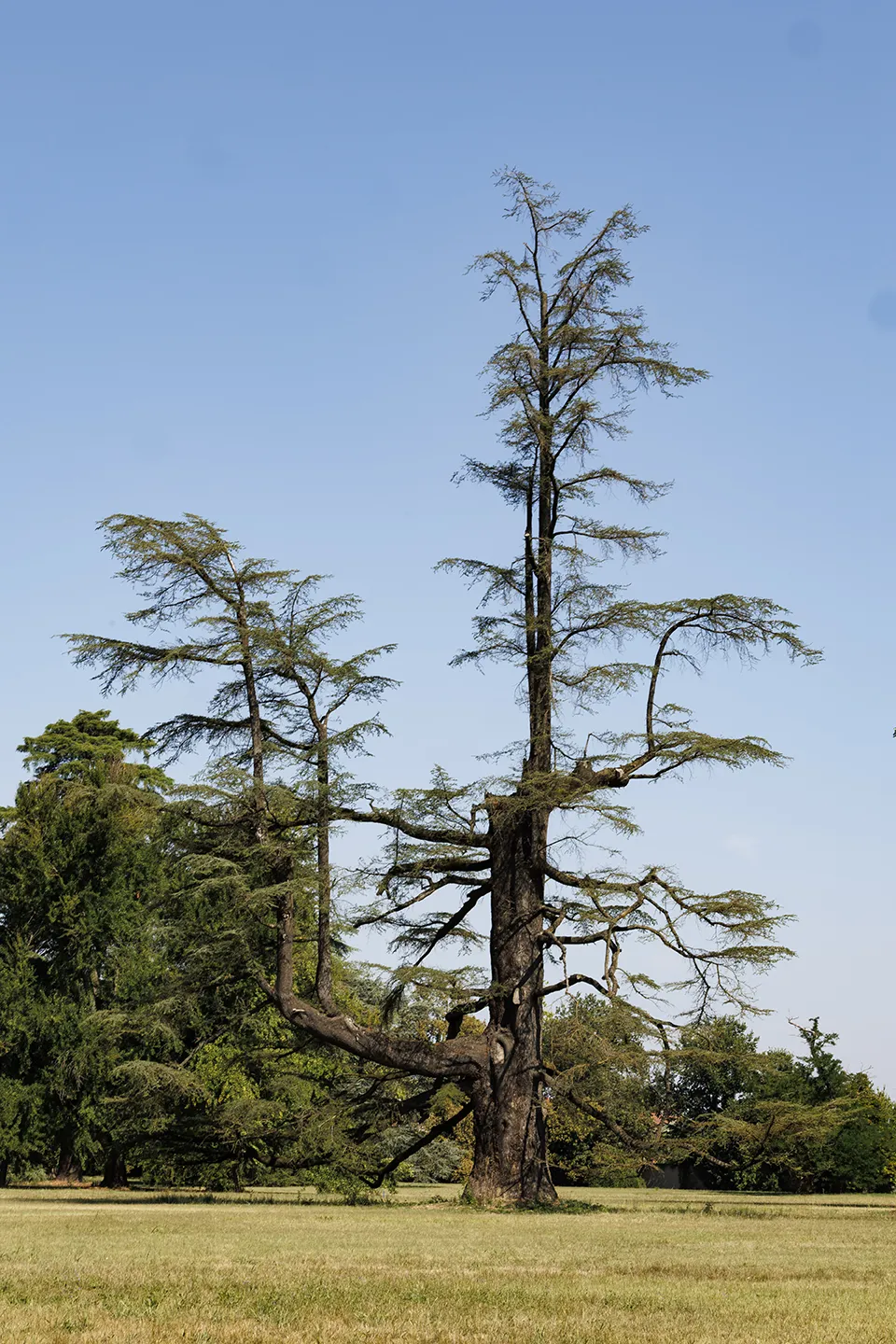
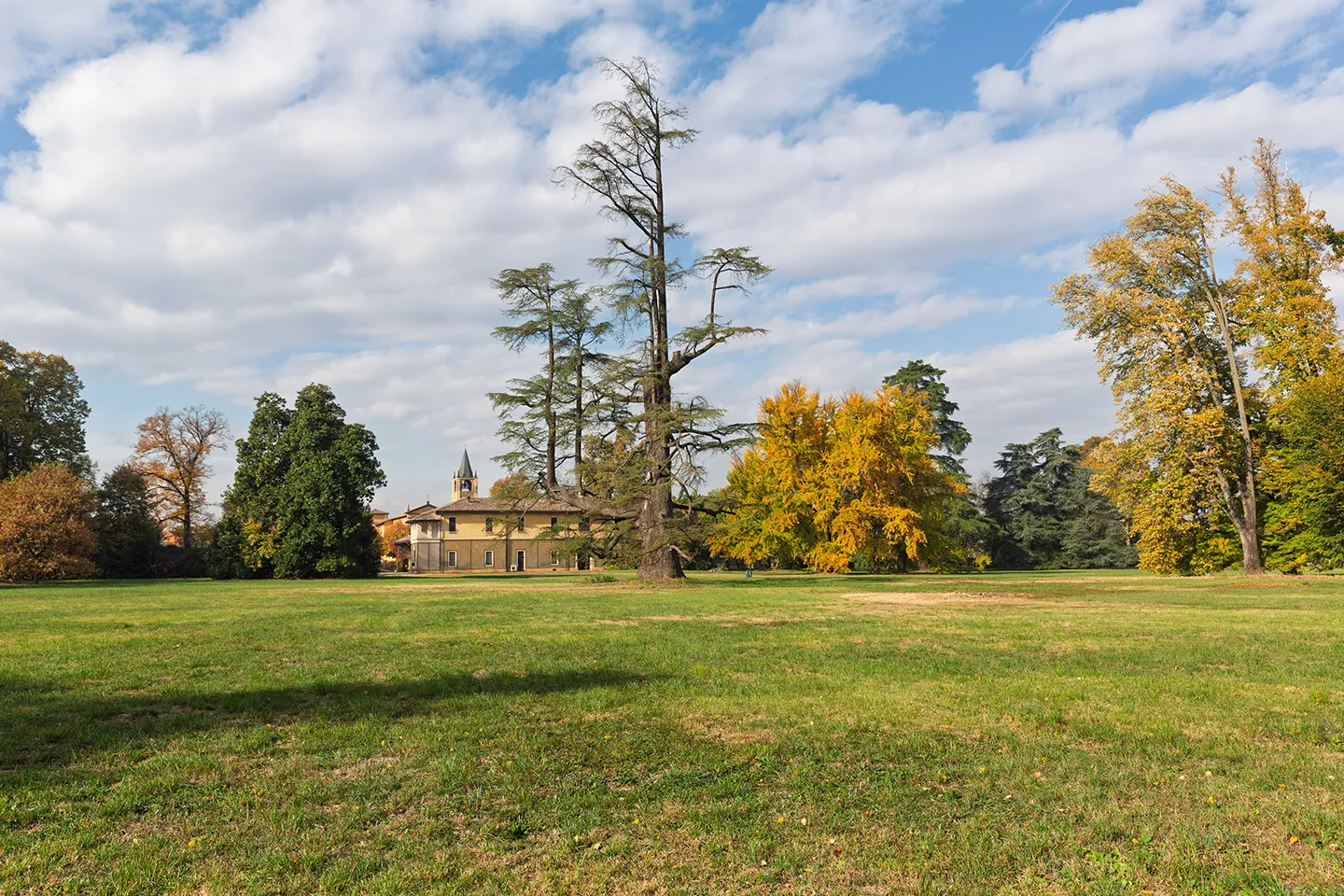
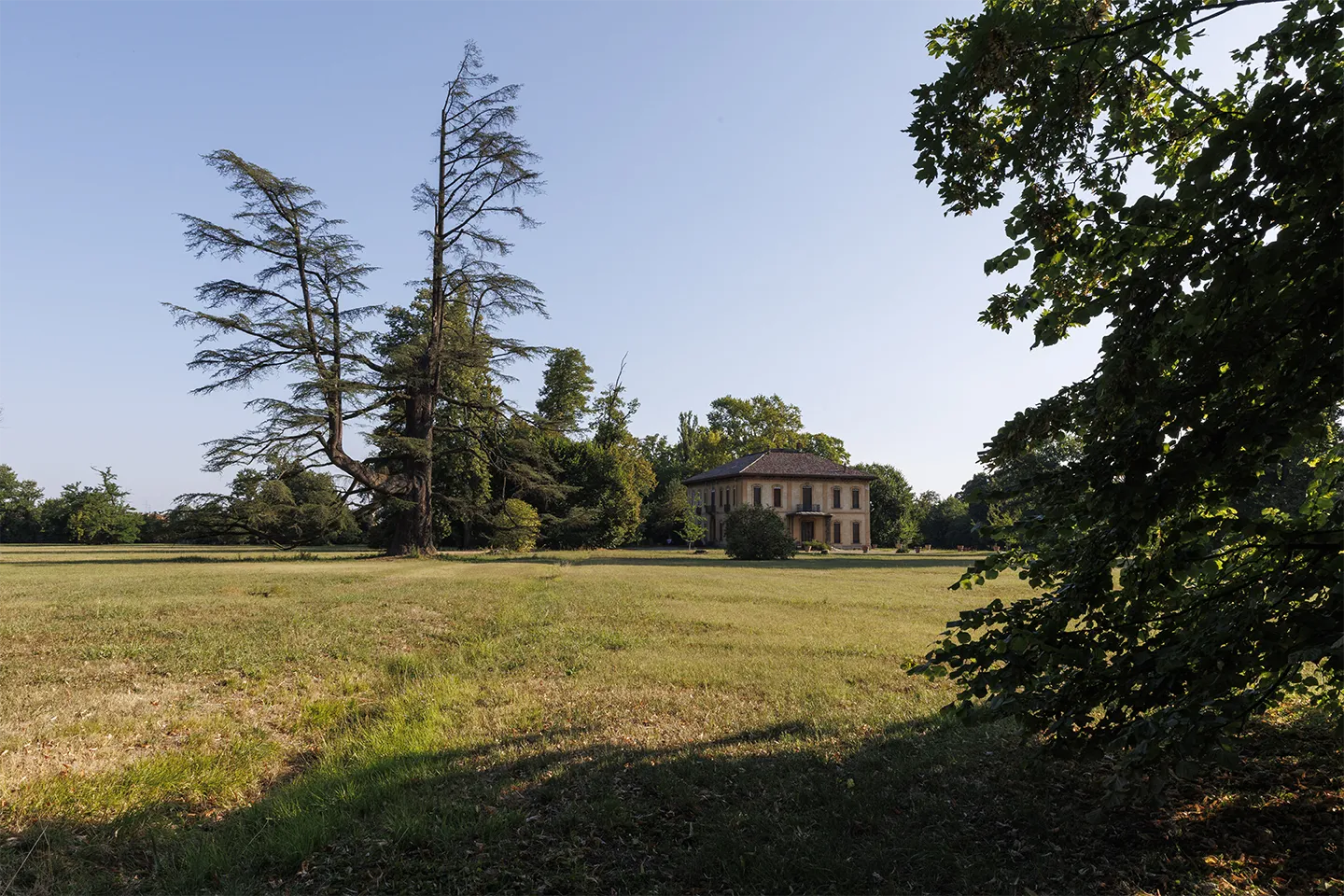
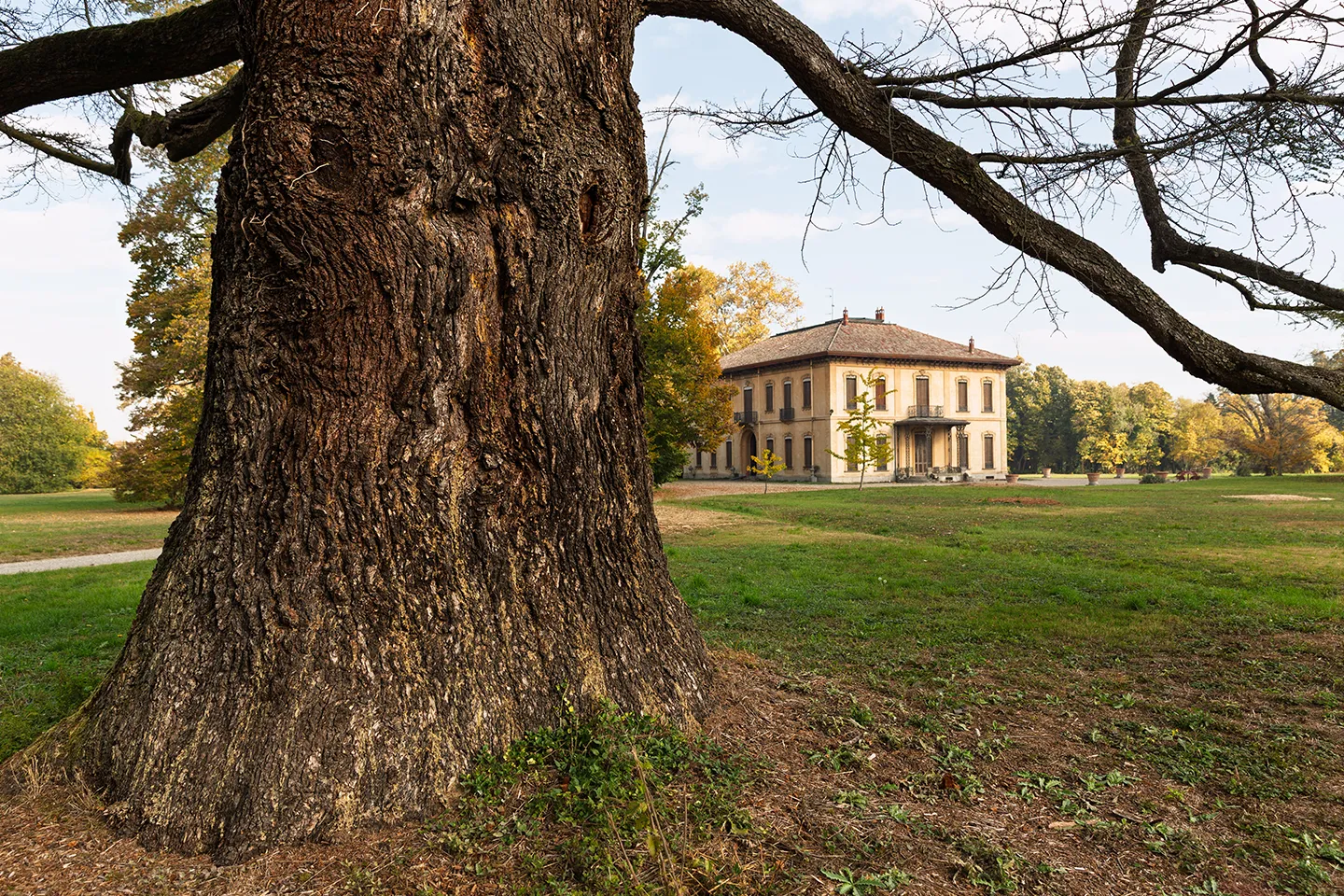
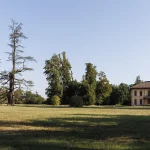
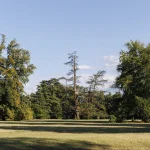
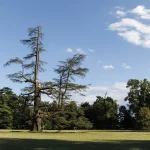
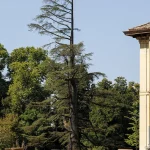
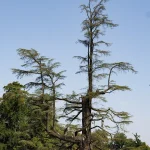
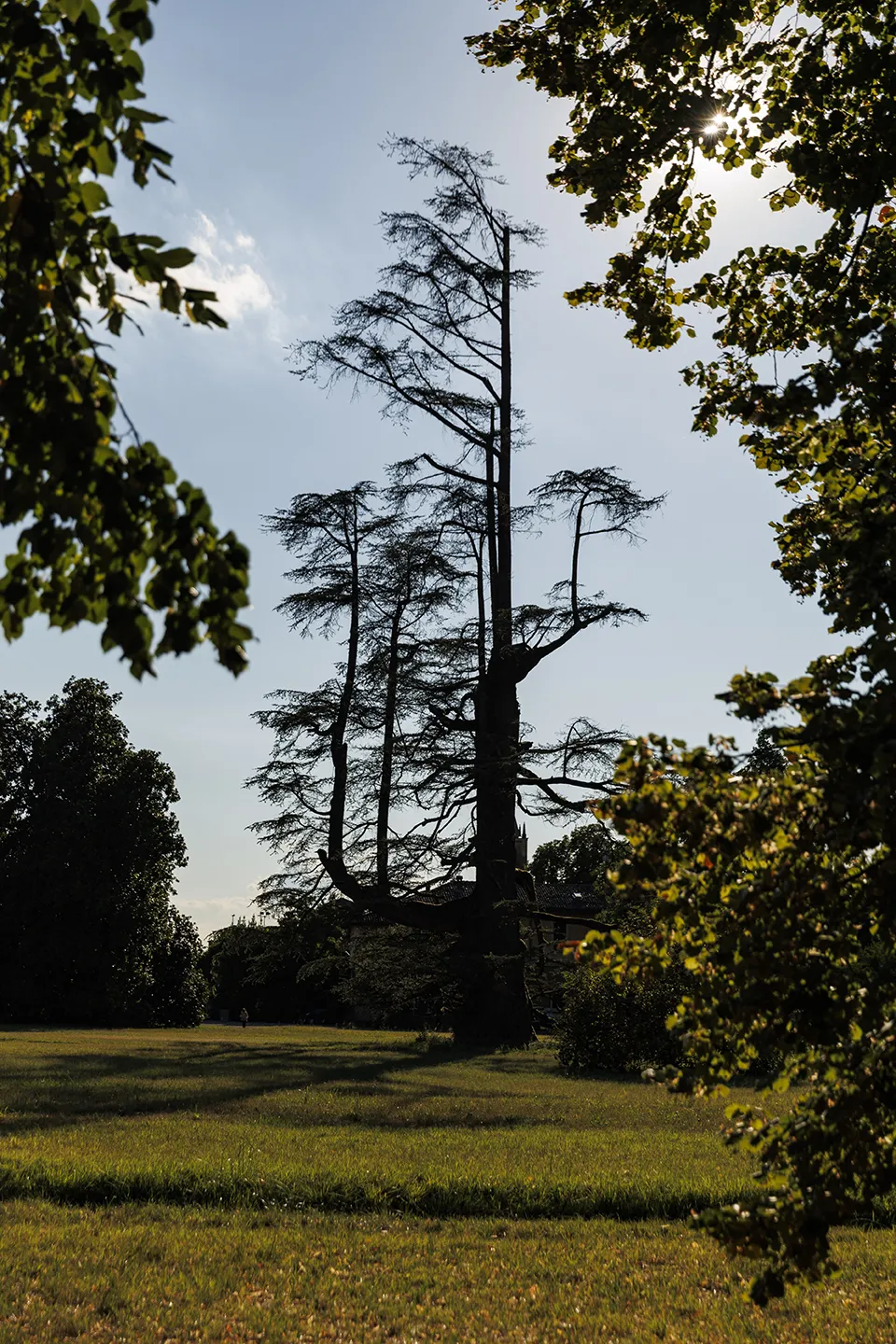
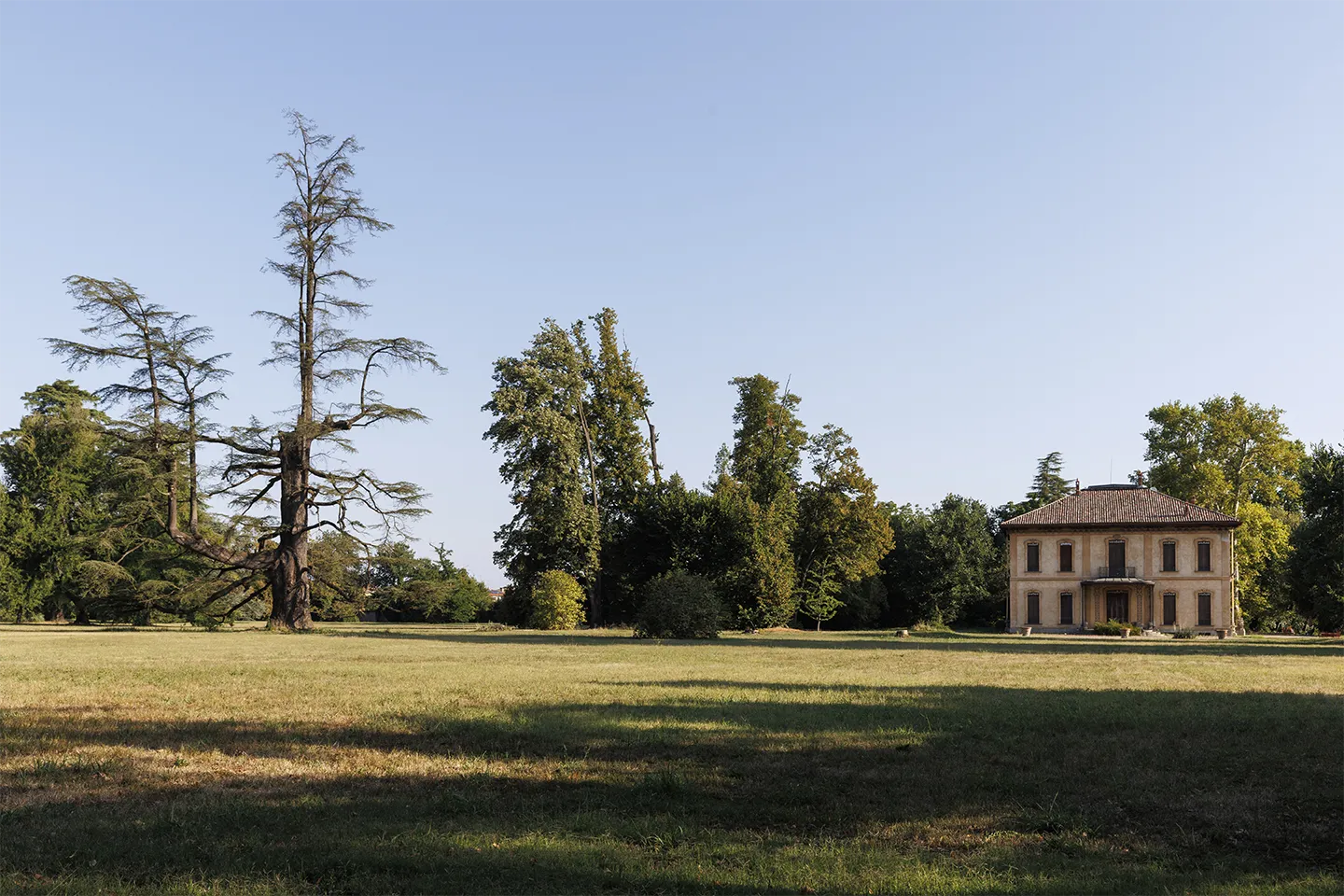
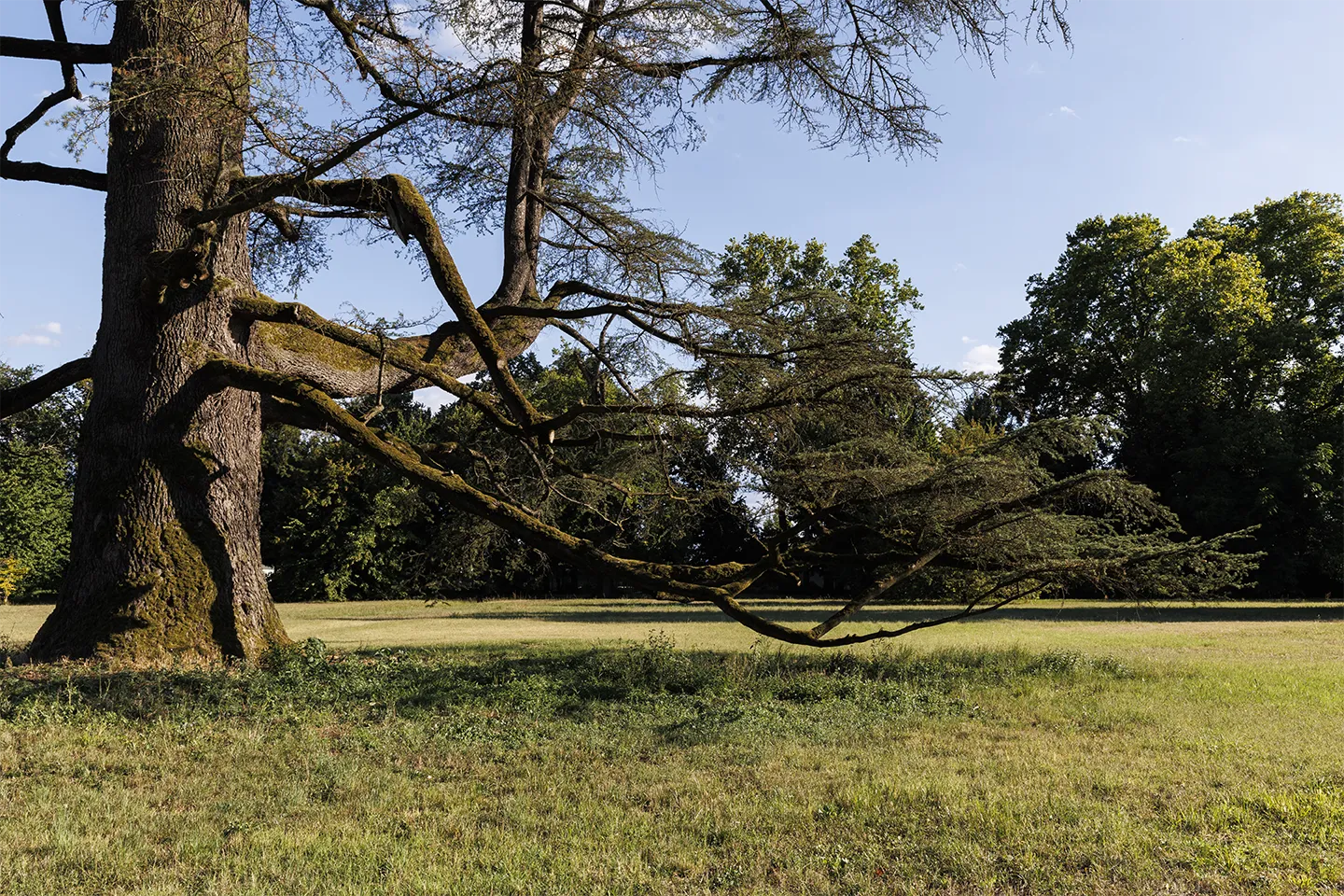
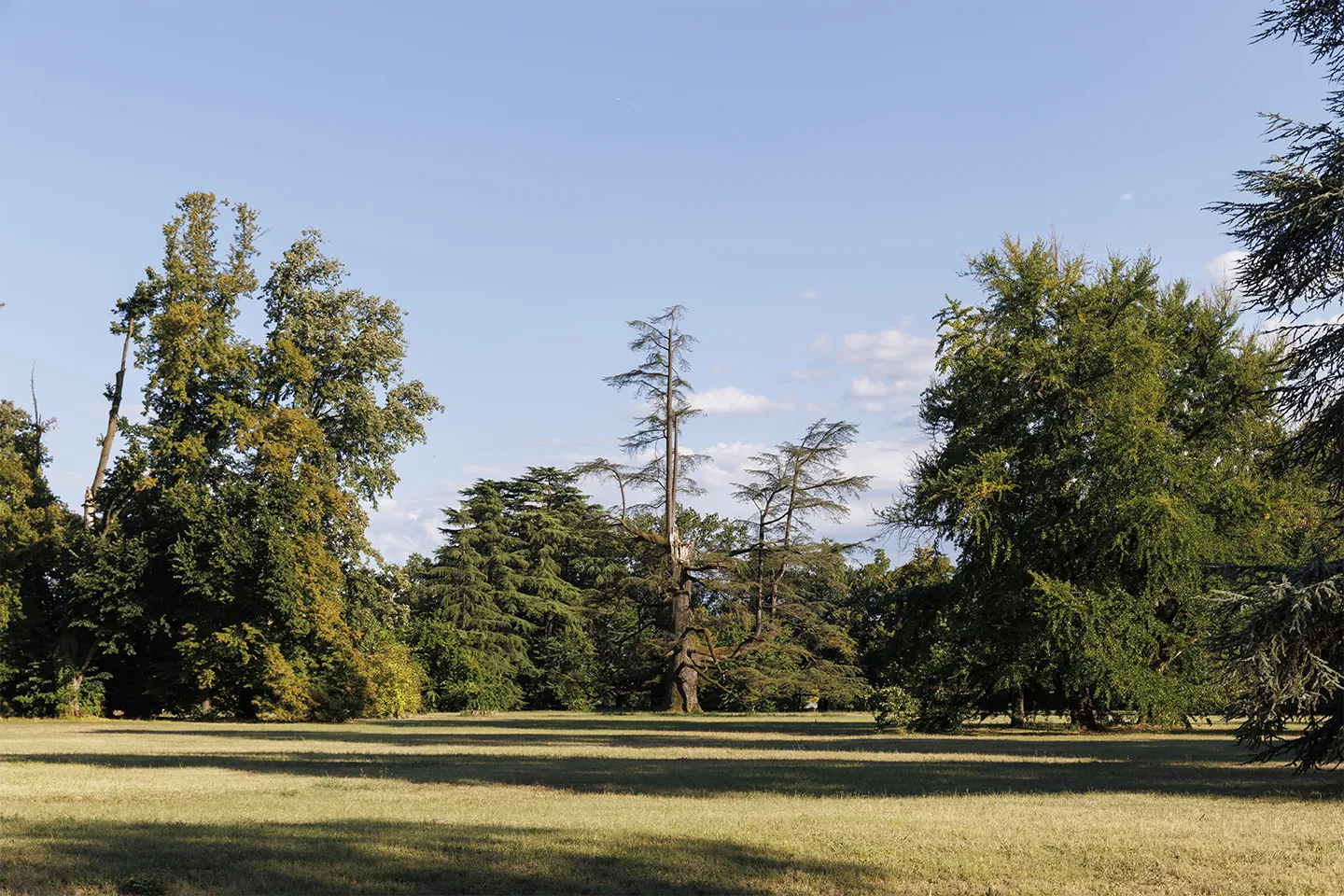
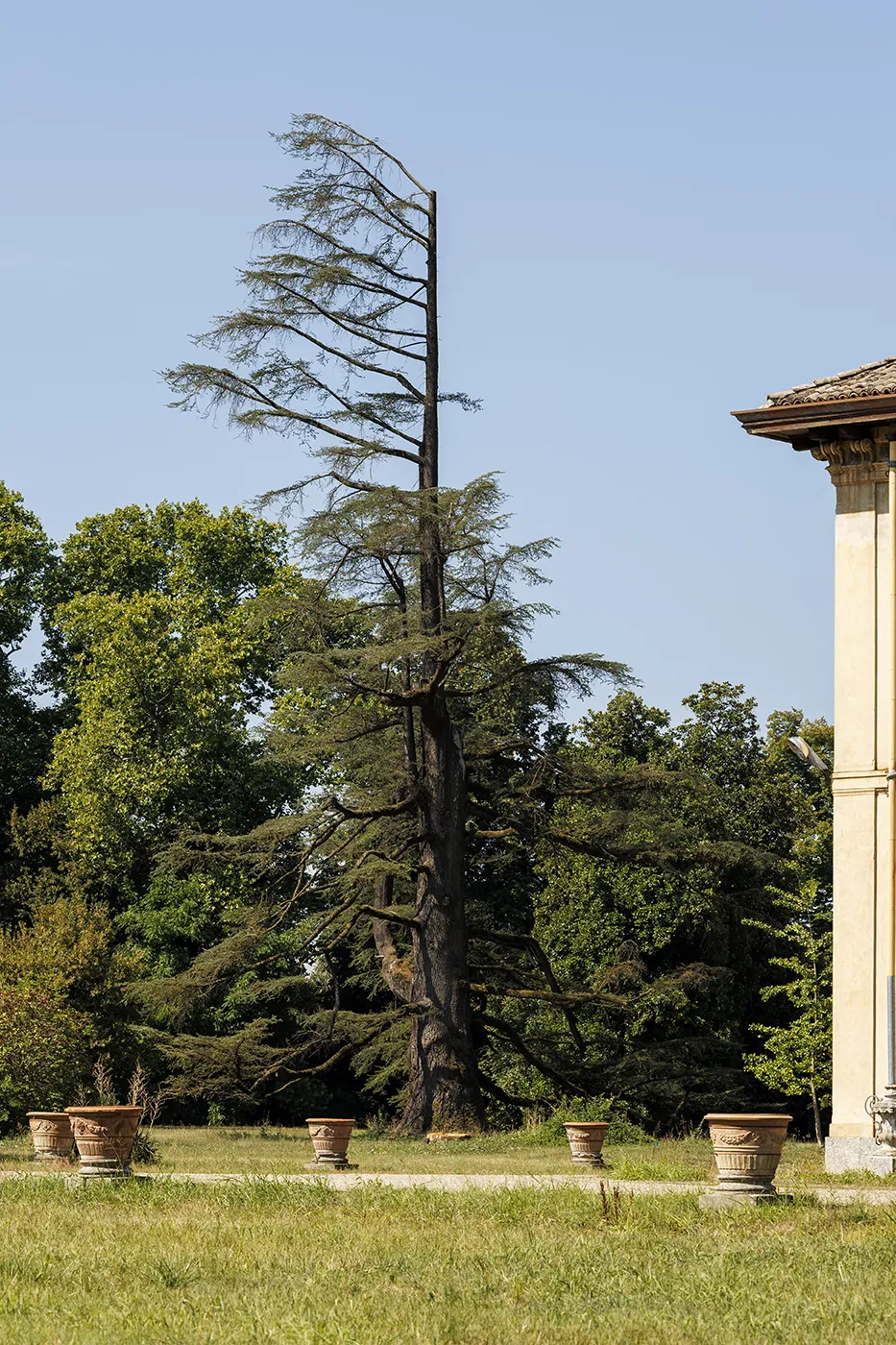
In the heart of the historic park, in the center of the large lawn to the south of Villa Toccoli, stands one of the estate’s most iconic trees: the great Cedar of Lebanon. Once the undisputed ruler of the landscape, this specimen was regarded as a true natural monument. With a trunk over 250 cm in diameter and a height of about 25 meters, for decades it represented the visual and symbolic backbone of the romantic garden.
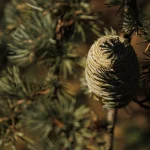
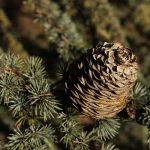
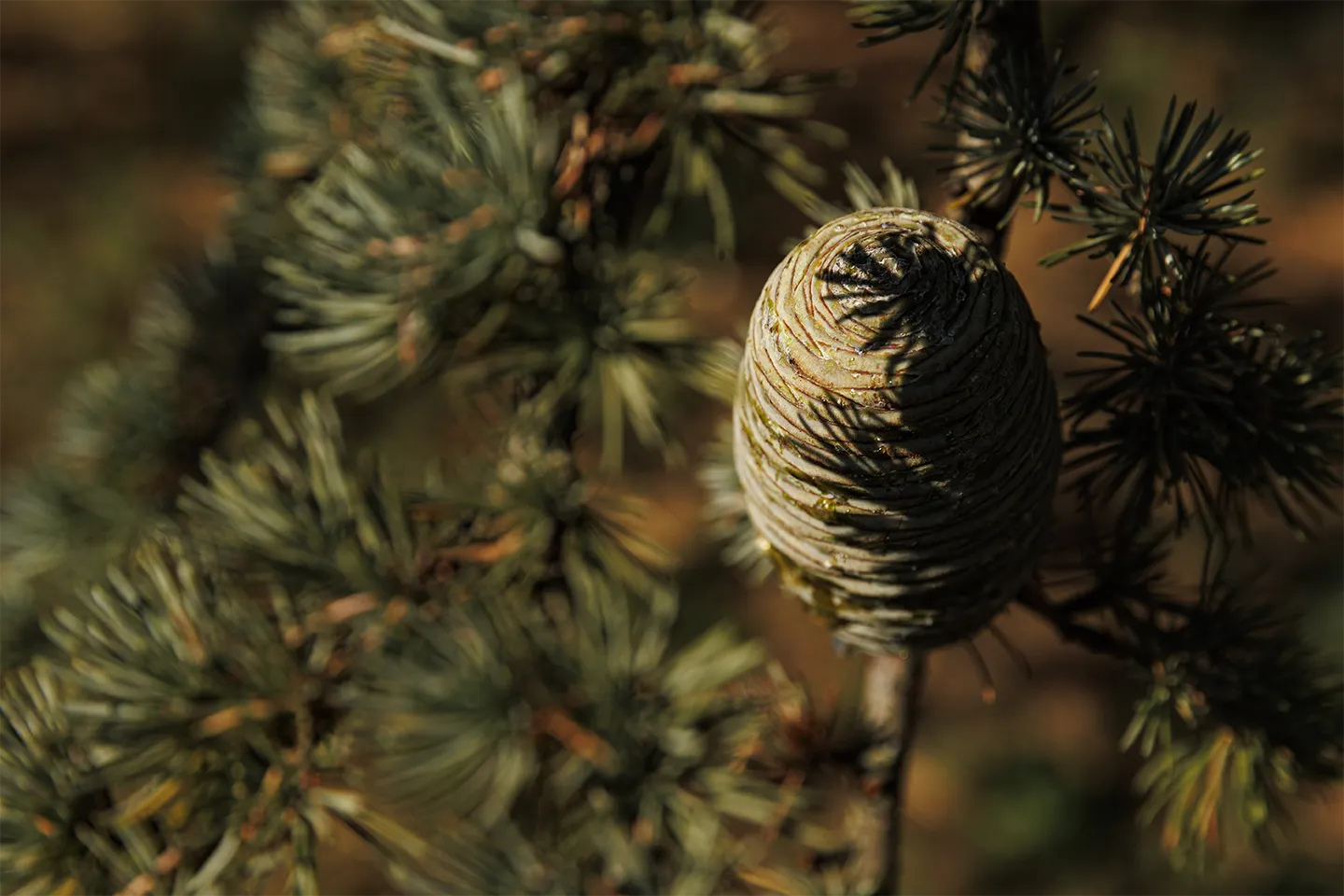
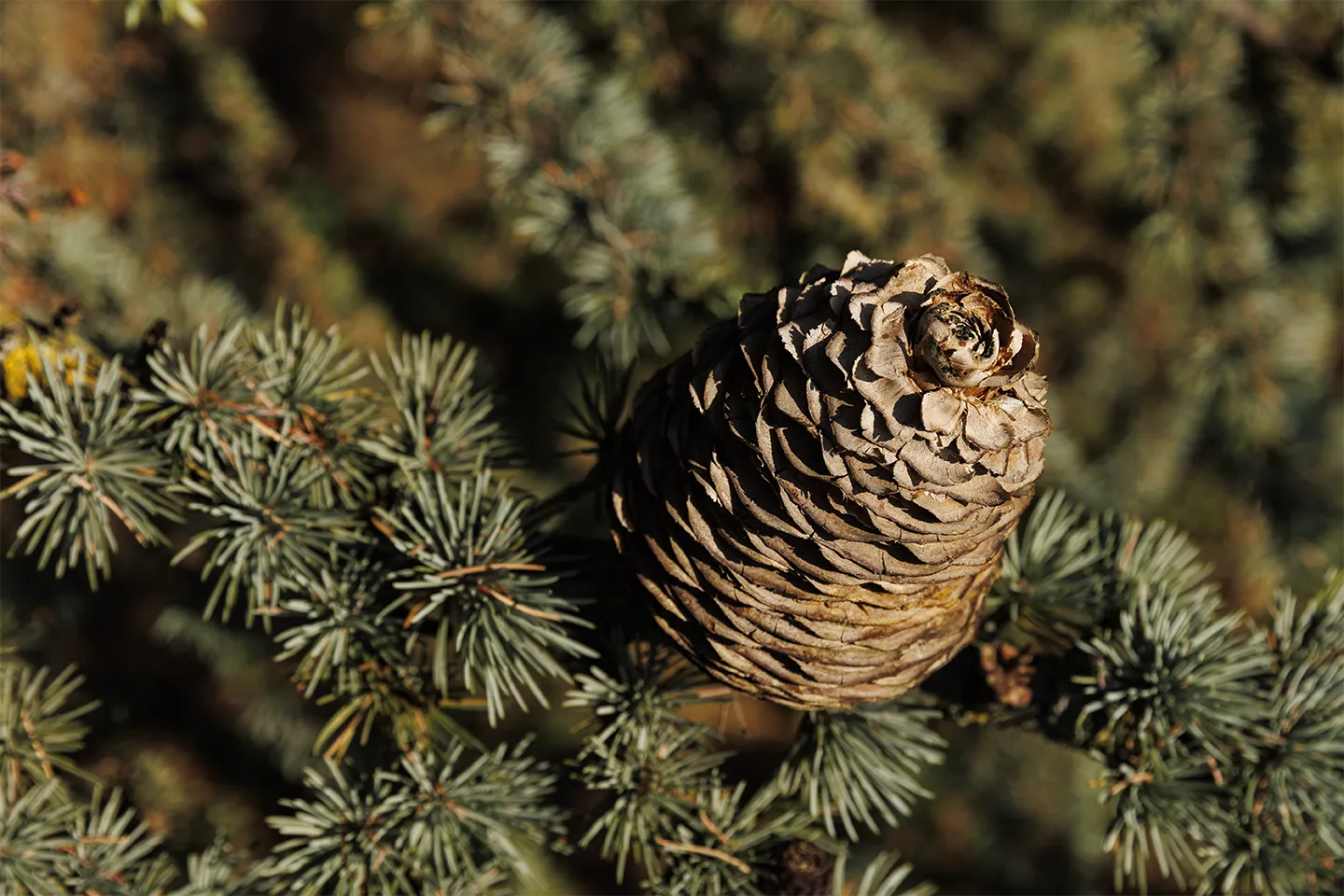
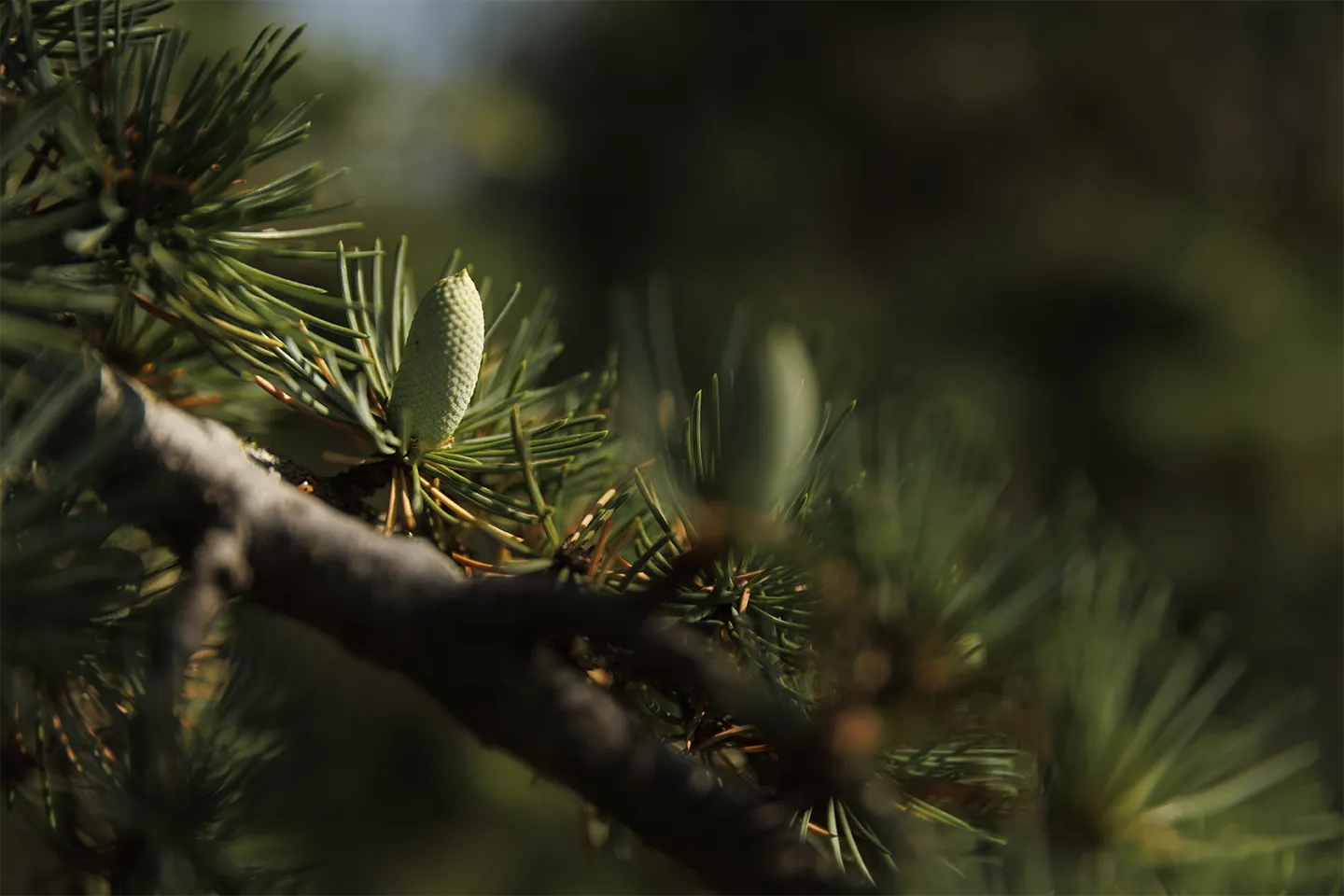
Cedrus libani is a very ancient species, native to the mountains of the Middle East. Introduced into the great European gardens in the eighteenth century—the age of the Grand Tour and the rediscovery of landscape—it soon became an emblem of prestige and refinement.
Planting a cedar meant looking toward the future: its slow growth and longevity made it a symbol of continuity, strength, and great landscape value.
At Villa Meli Lupi di Soragna Tarasoni as well, the cedar long stood as the true centerpiece of the park.
Its broad, dark canopy marked the center of the perspective, while the resinous scent it released after the rain filled the garden with an unforgettable balsamic aroma.
Climate change
A giant wounded by time
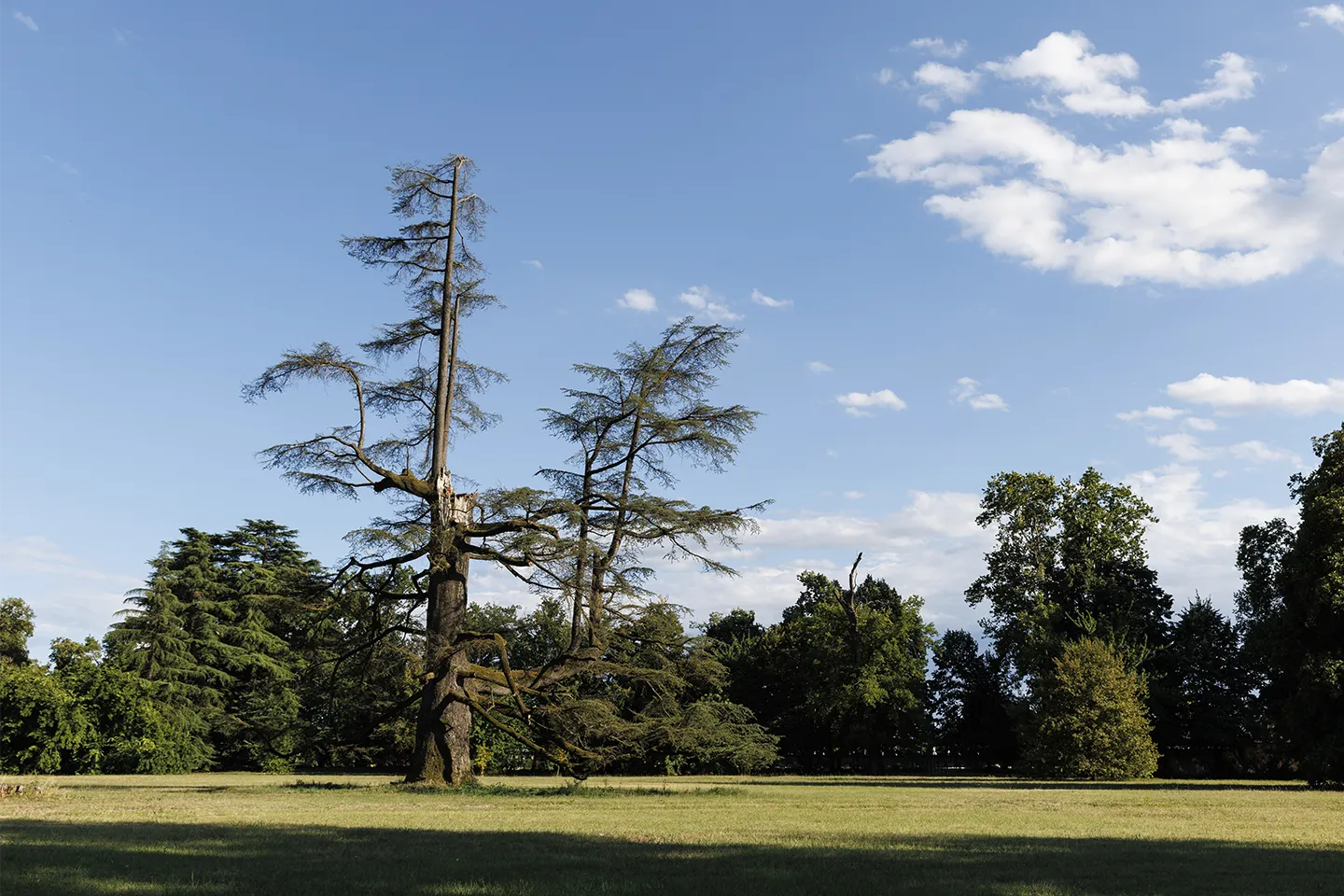
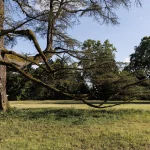
In recent years, however, the story of the great cedar has taken a different turn. Like many specimens in Europe, this tree has begun a slow decline, mainly due to the effects of climate change: hotter summers, reduced water availability, and increasingly dry soils. These are challenging conditions for a species that thrives in cool, humid climates.
Worsening the situation was a sudden event: a lightning strike hit the tree, breaking a main branch and opening a wound that allowed wood-decay fungi to enter. From that moment on, the cedar began hollowing from the inside, and its structure weakened.
A natural heritage to preserve
Despite the challenges, the Lebanon Cedar in the park still retains its extraordinary charm. The tree is carefully monitored and tended to, ensuring it continues its natural life cycle and preserving its presence in the historic landscape as much as possible.
For visitors to the park, this silent giant remains a powerful symbol: it testifies to the strength of nature, yet also to its fragility, inviting reflection on the deep relationship between humans, time, and the landscape.
Villa Meli Lupi offre visite guidate alla Casa Museo dedicata all’Ambasciatore Antonio Meli Lupi di Soragna e al Parco Romantico. Il complesso storico è visitabile solo su prenotazione nei mesi di Maggio, Giugno, Luglio, Settembre e Ottobre.