Strada Martinella, 326 - 43124 Parma, Emilia-Romagna | Aperture su prenotazione nei mesi di Maggio, Giugno, Luglio, Settembre e Ottobre | Visits by appointment in May, June, July, September, and October
Strada Martinella, 326 - 43124 Parma, Emilia-Romagna | Aperture su prenotazione nei mesi di Maggio, Giugno, Luglio, Settembre e Ottobre | Visits by appointment in May, June, July, September, and October
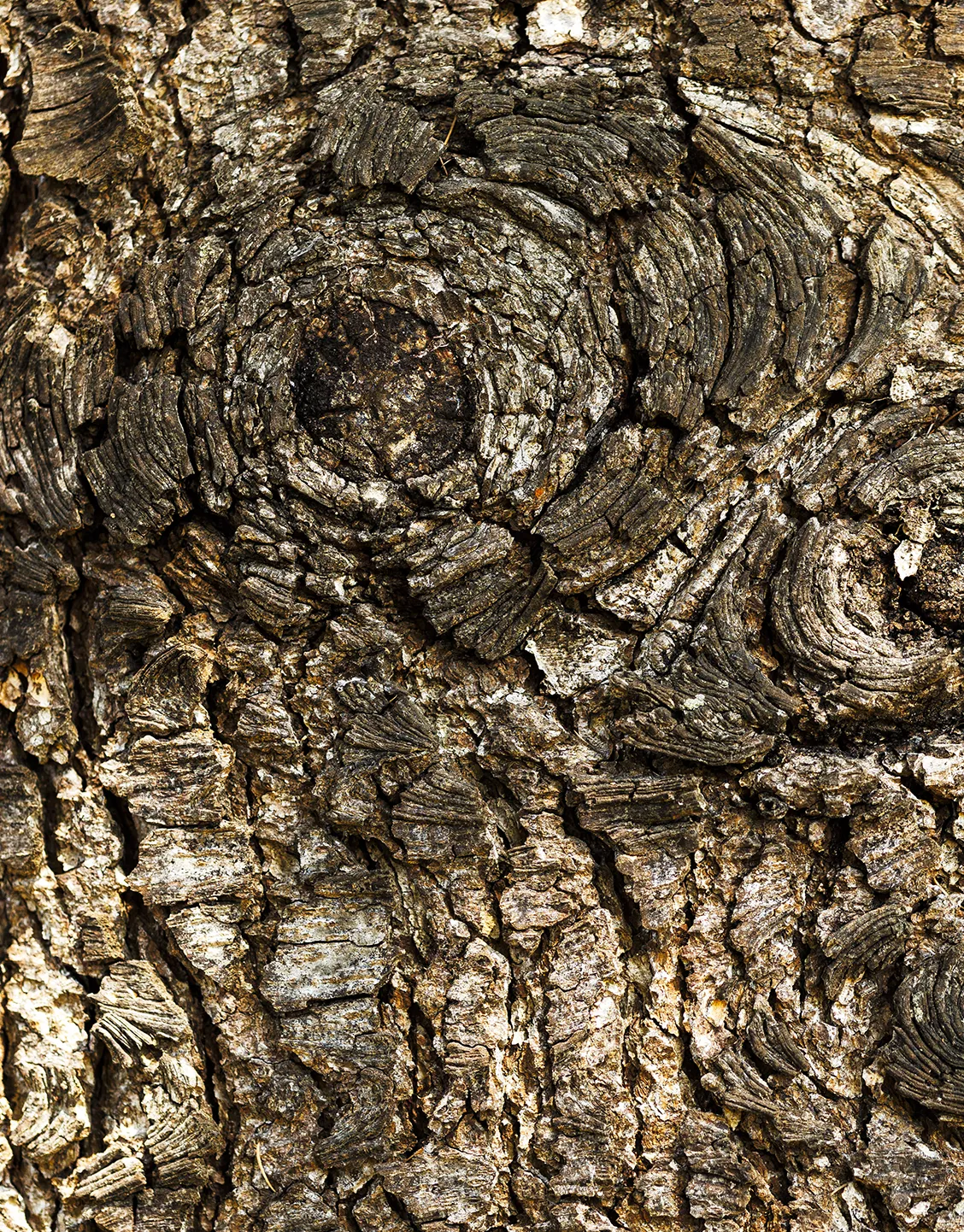
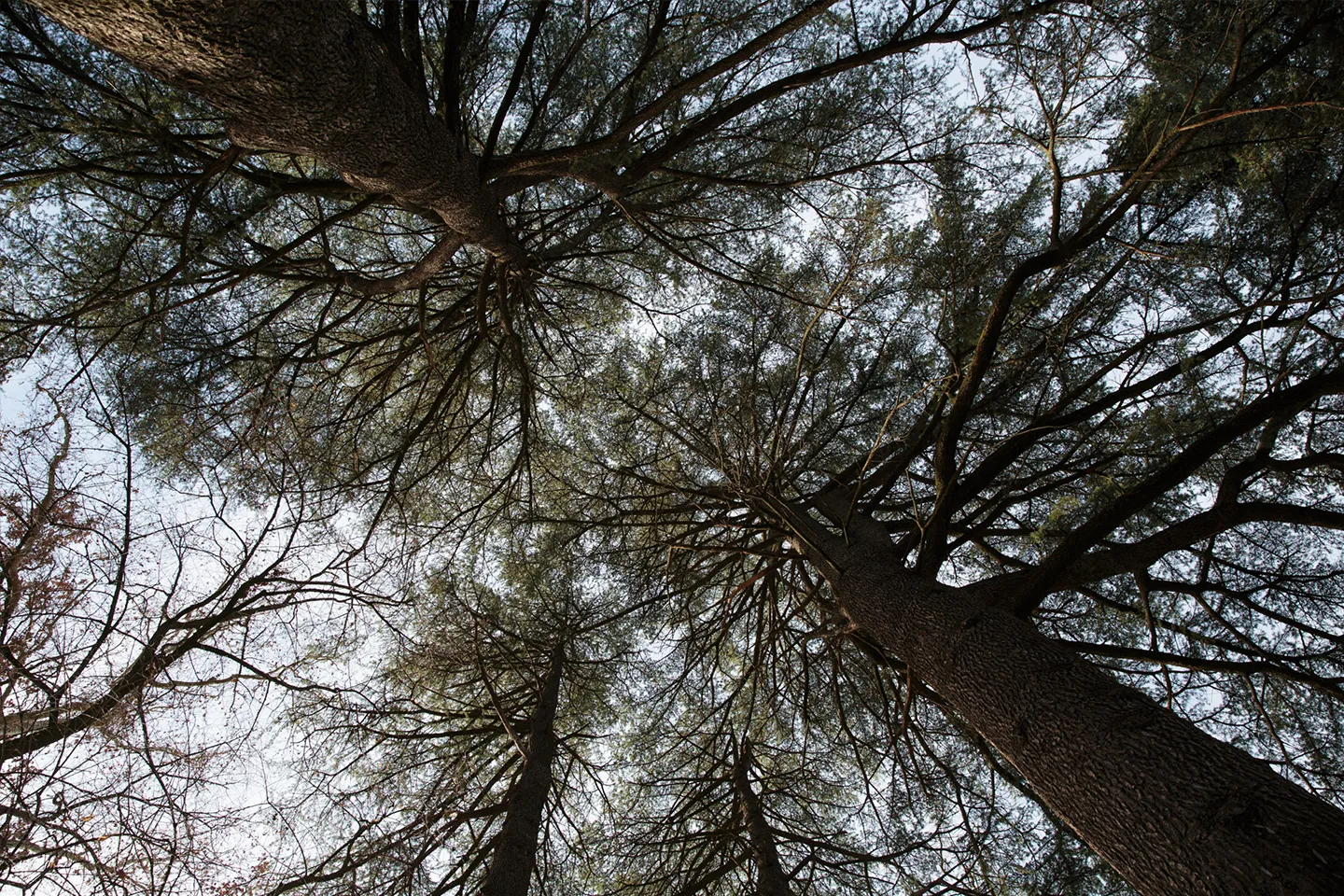
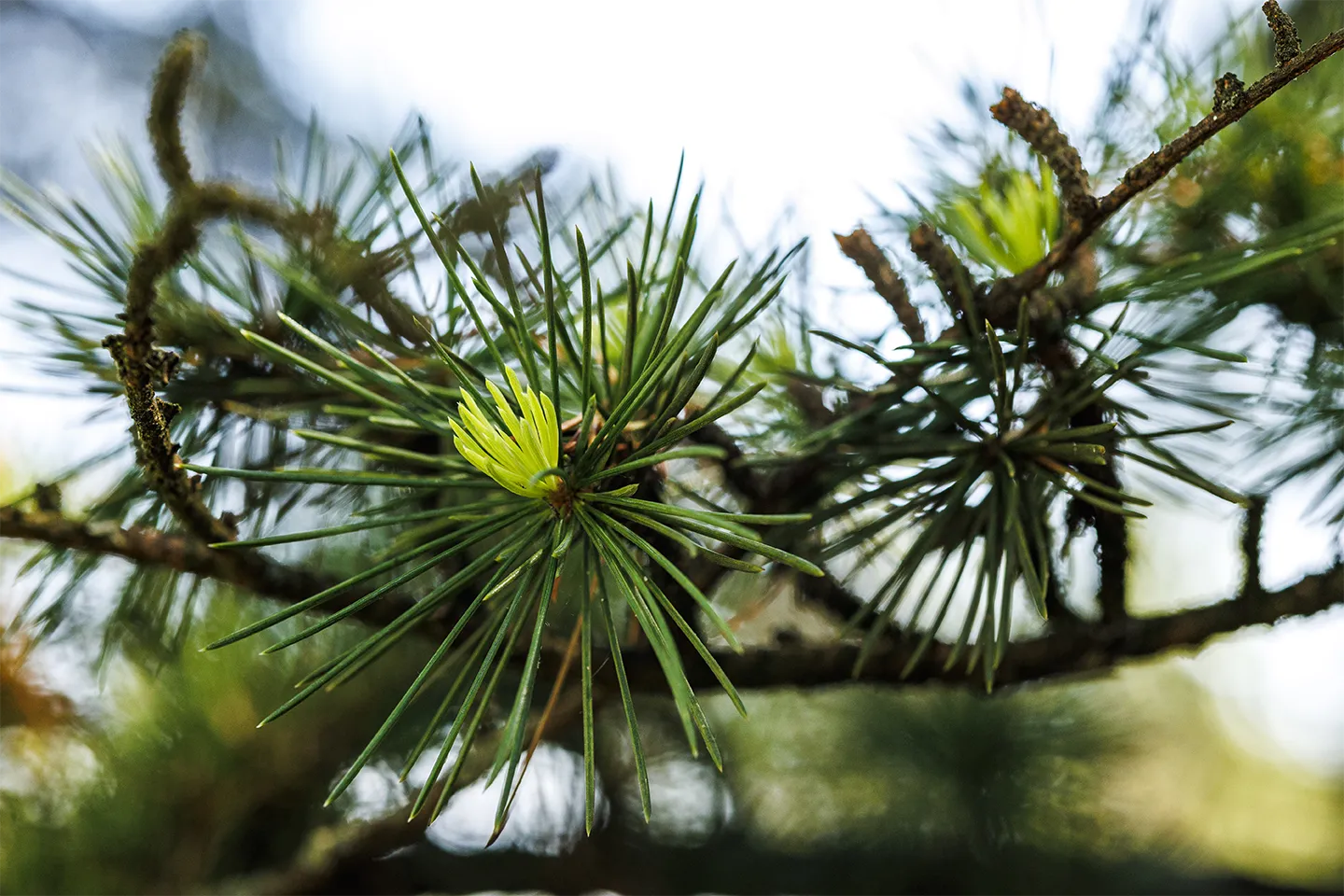
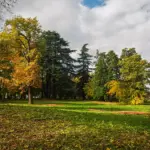
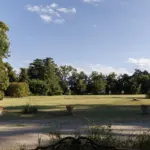
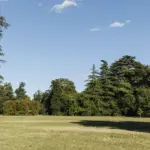
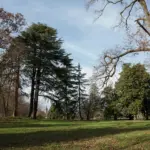
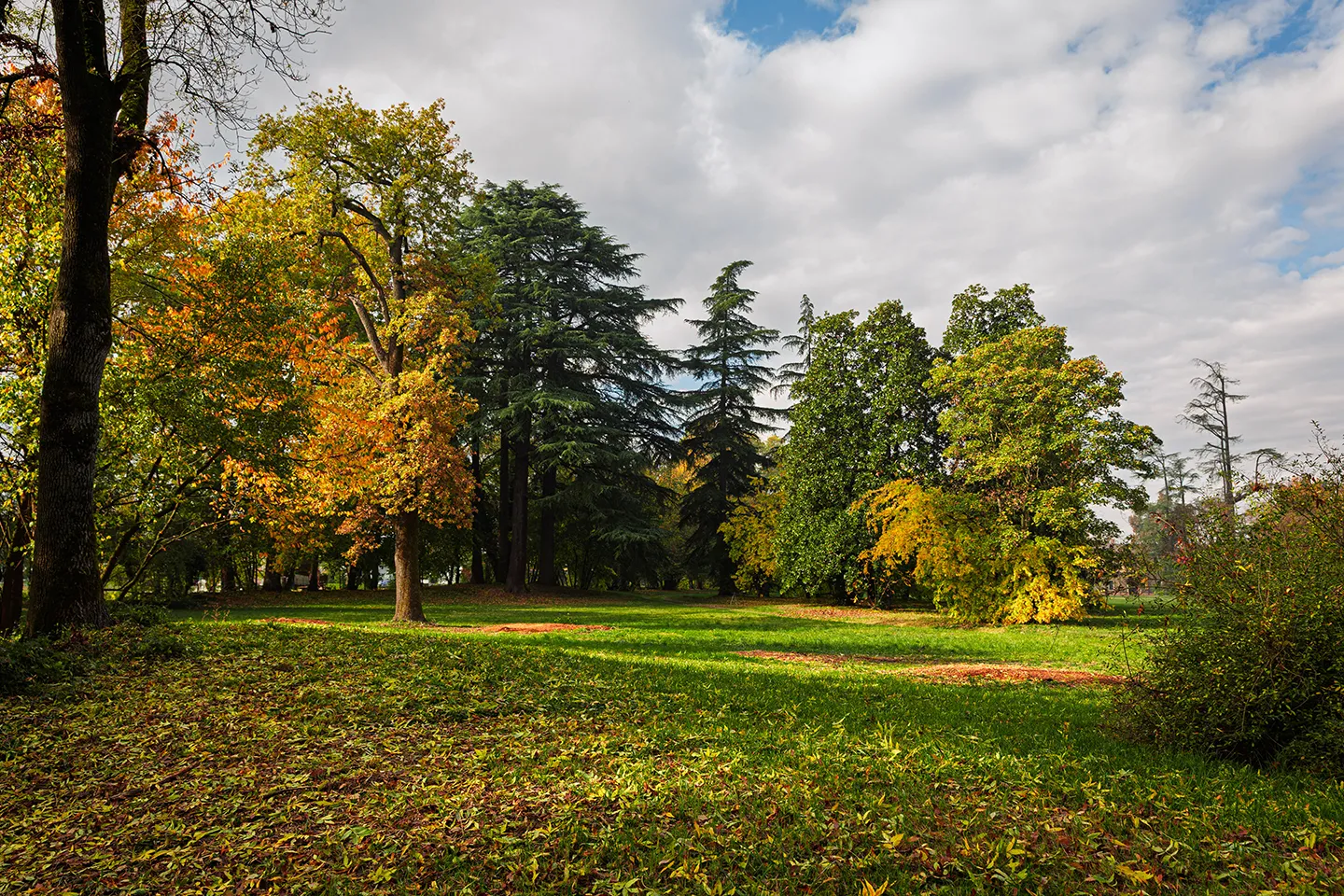
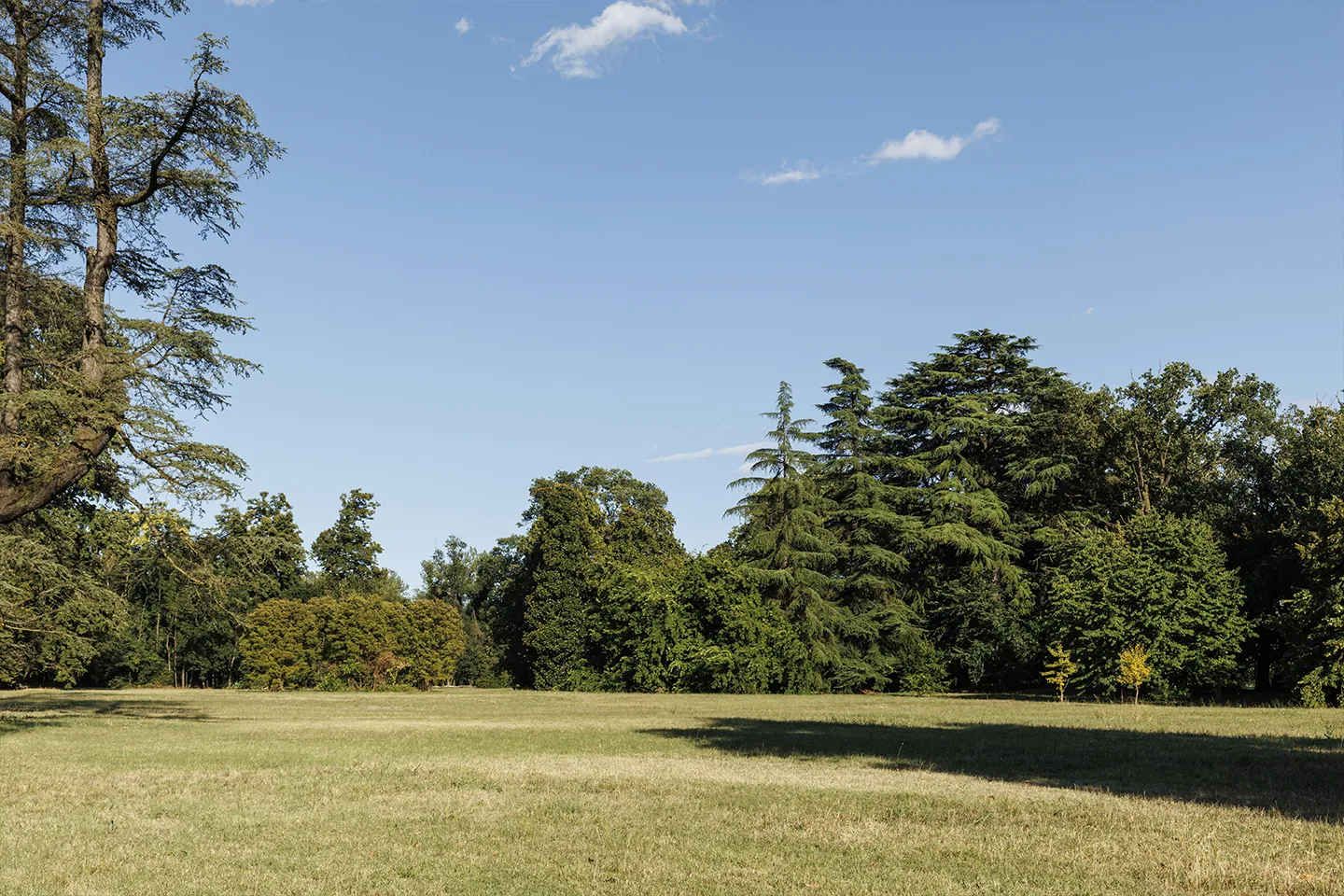
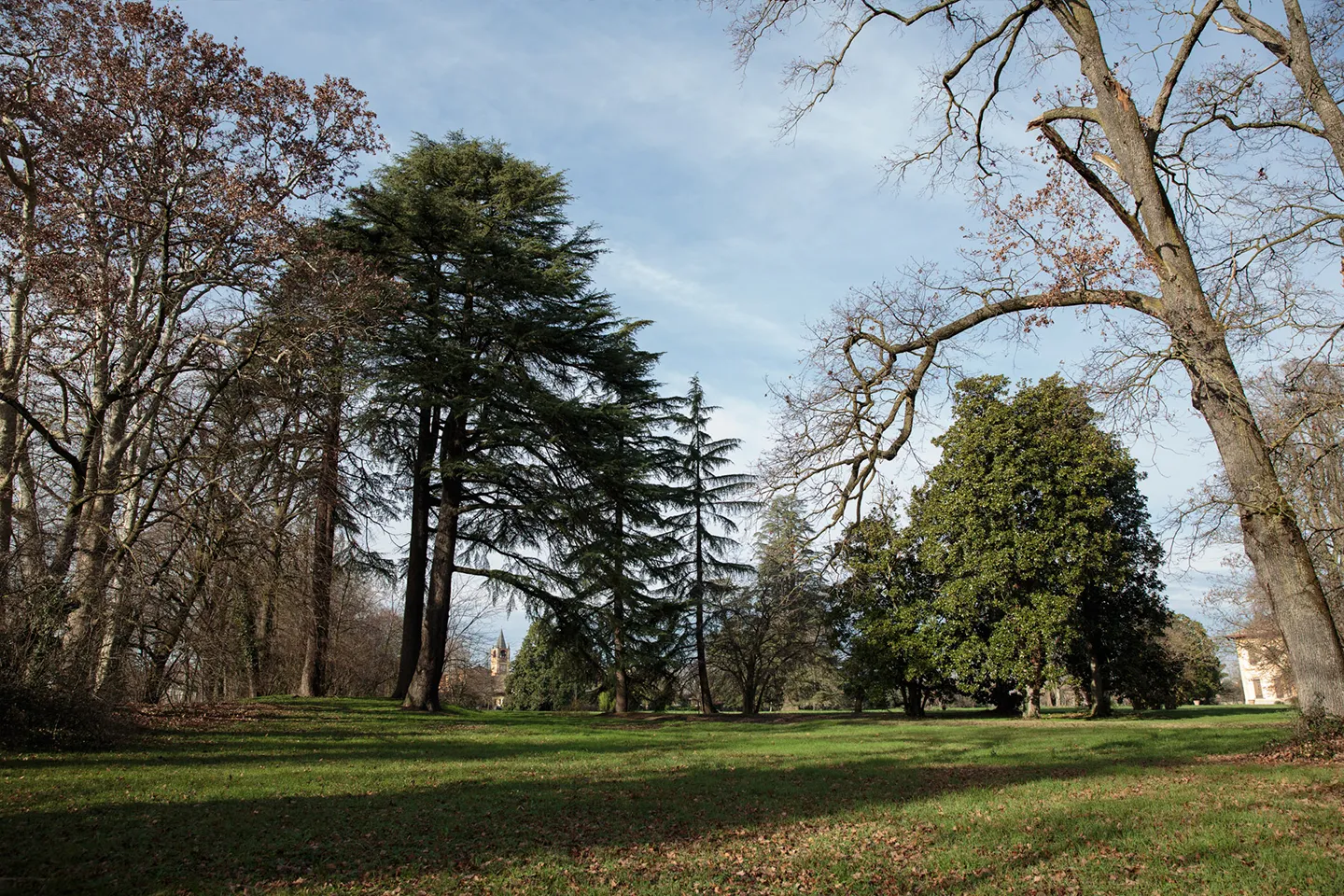
In the historic park, along the southern loop path, you encounter an impressive group of deodara Cedars (Cedrus deodara). Six majestic specimens, over thirty meters tall, dominate the landscape with a solemn and silent presence, like green columns supporting the garden. The largest has a trunk measuring 139 centimeters in circumference, a testament to their grandeur.
The cedars are native to the mountain ranges of the Middle East and the Himalayas and arrived in Europe between the 17th and 18th centuries during the great botanical explorations. In aristocratic and landscape gardens, they were welcomed as symbols of solidity, prestige, and longevity, strategically placed as isolated specimens or in groups to create large evergreen masses and serve as structural anchors for the overall design of the park.
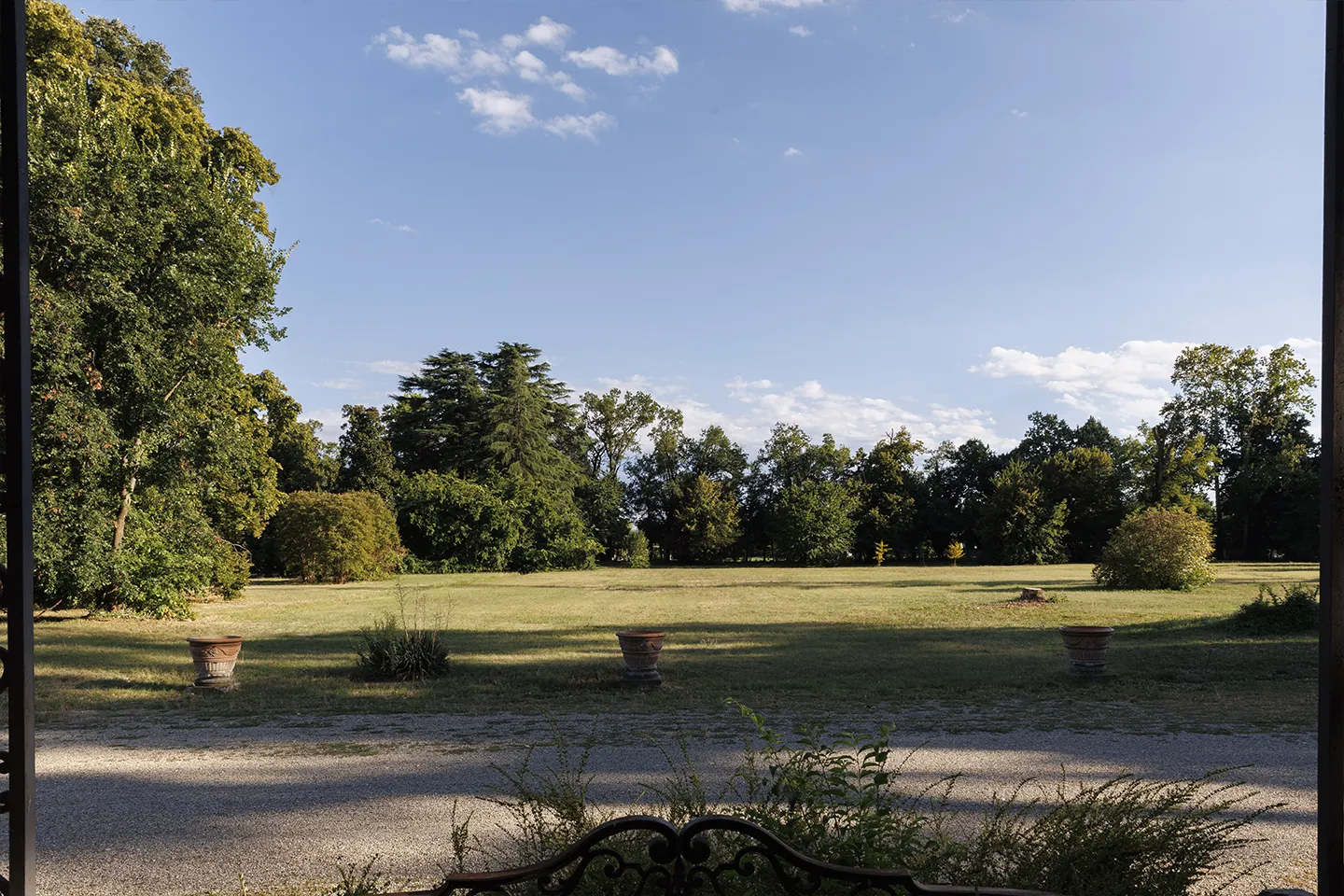
The group of cedars guides the view from the balcony and the library toward the circular pathway, forming a key focal point in the perspective.
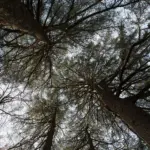
The wide and powerful canopies intertwine, creating an enveloping space where the visitor senses a silent force descending from above and rooting into the ground.
A tree that listens to the wind
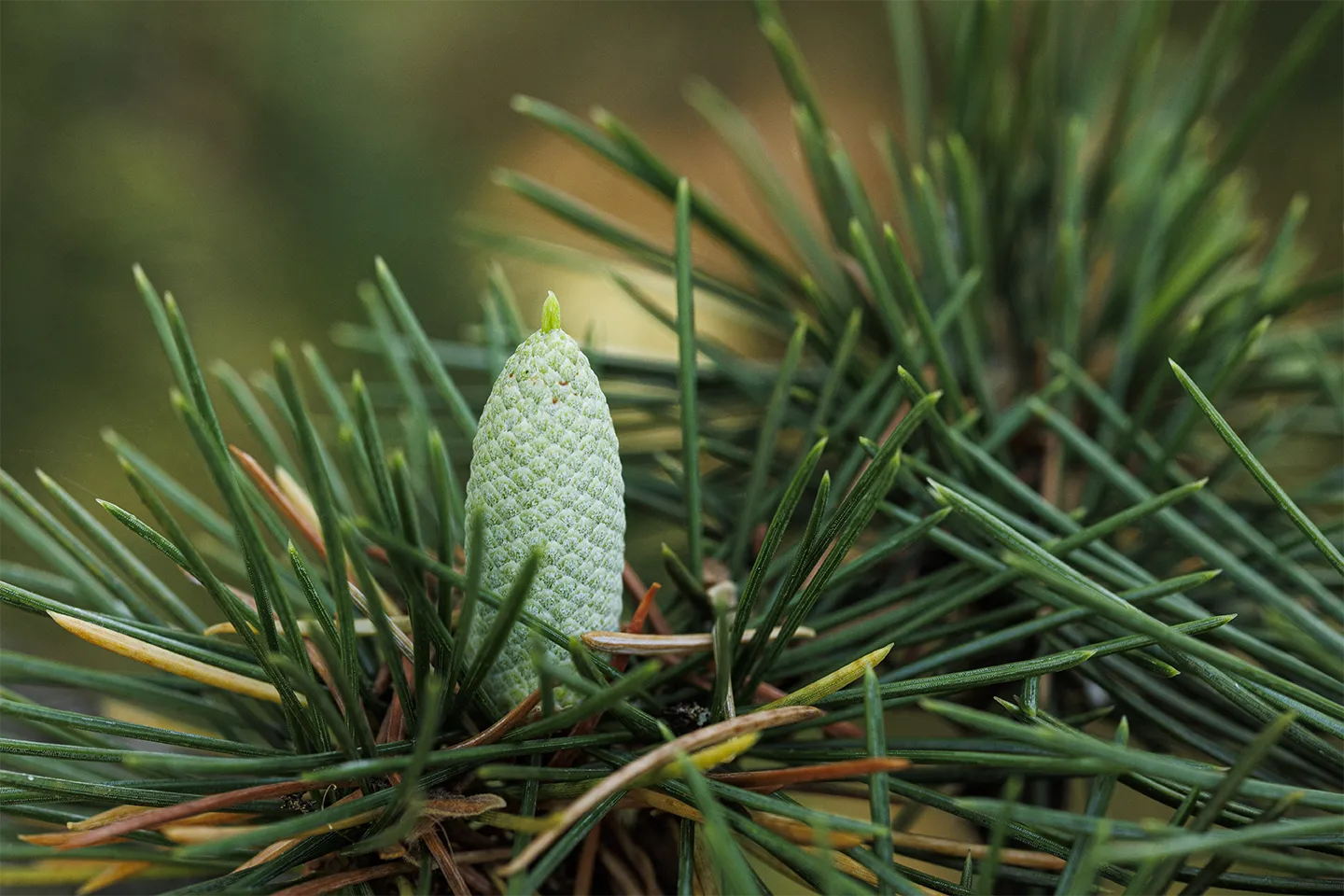
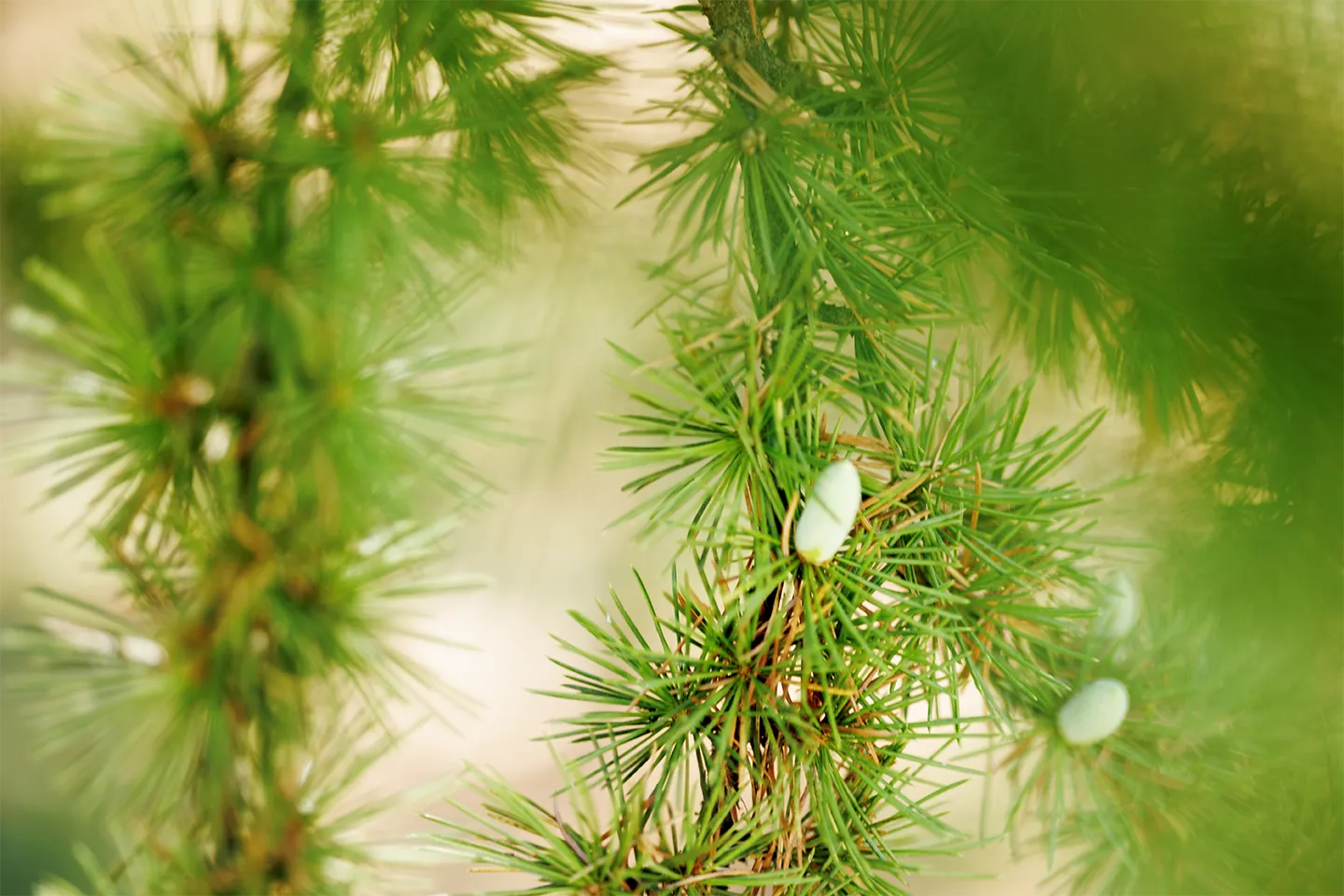
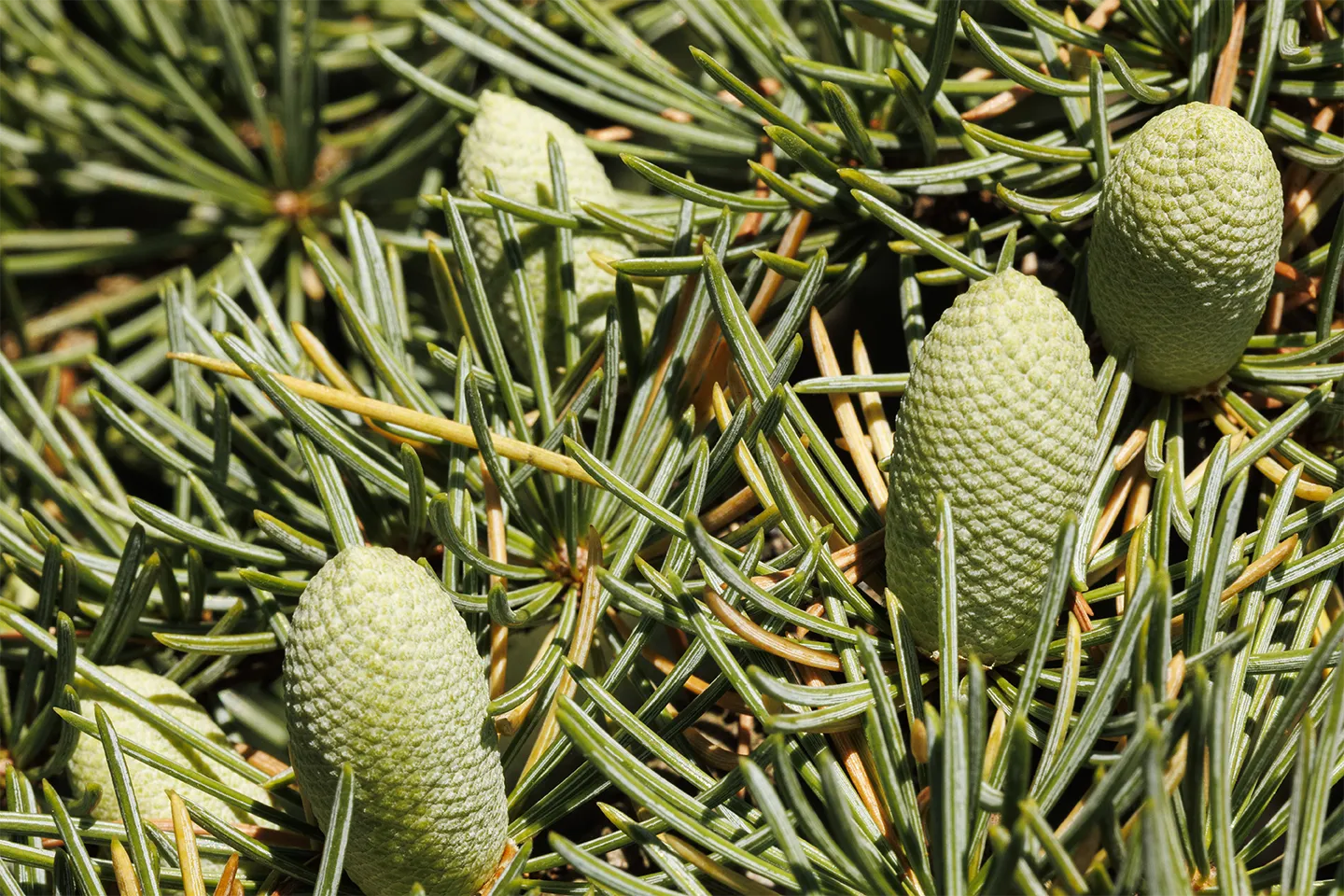
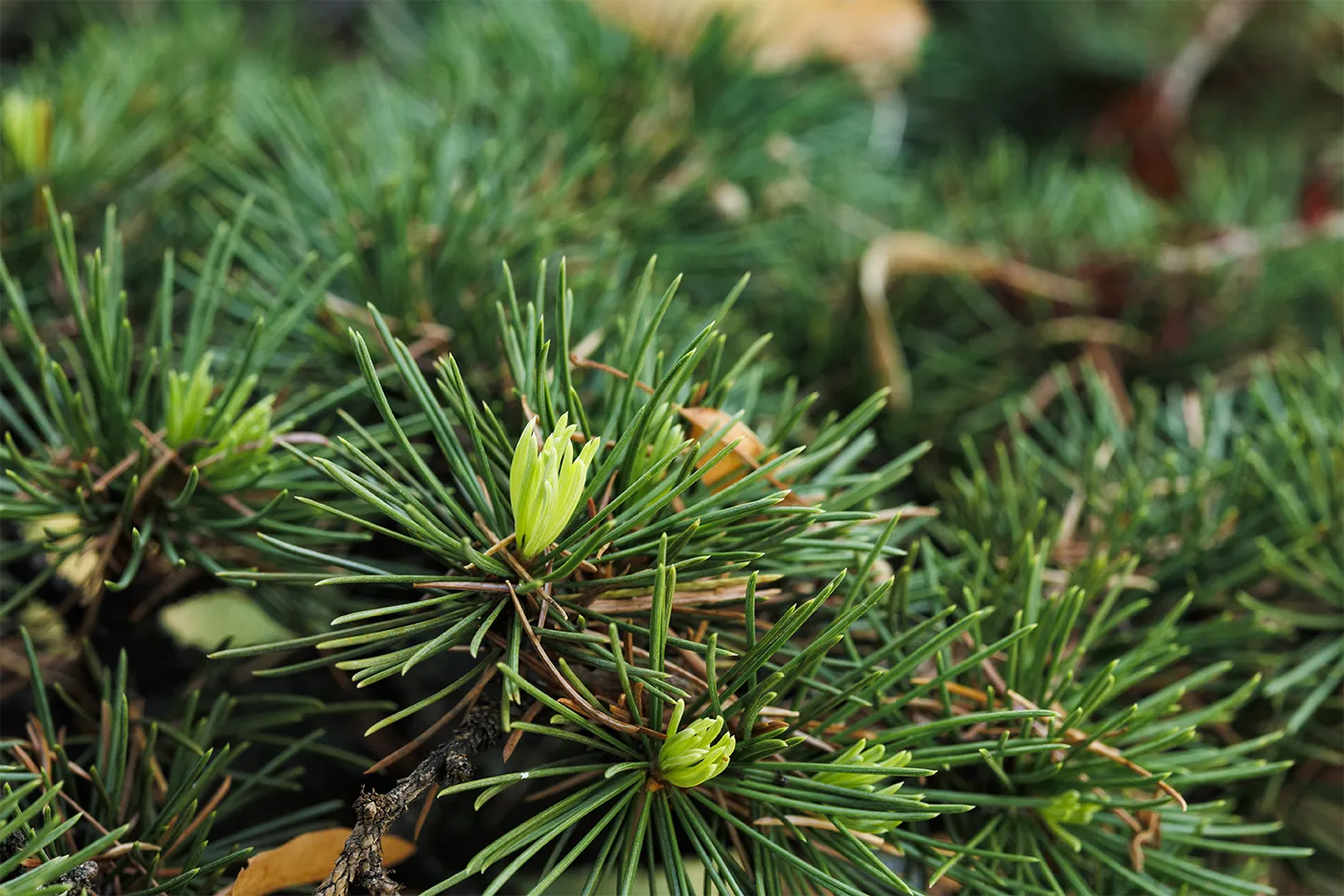
Cedrus deodara
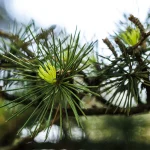
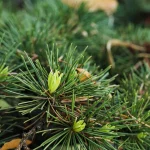
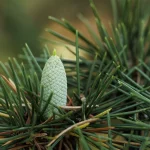
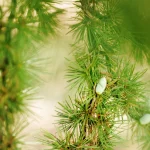
The Cedrus deodara stands out for its elegant posture, soft, slightly drooping branches, and slanted crown, as if the tree were listening to the wind. Within the group, these qualities are amplified, creating harmony, depth, and balance in the historic Romantic garden of the villa.
A group of majestic cedars that, season after season, continues to shape, strengthen, and give meaning to the park, embodying the perfect union of nature, beauty, and history.
There is no romantic garden without one or more groups of majestic cedars.
It is a species that unites power and grace, structure and movement. In this group of cedars, these qualities are amplified. It is not the individual tree that speaks, but the ensemble. A collective presence that shapes the space, guides the gaze, and accompanies the path. A steadfast element of the landscape, continuing to give form and meaning to the park, season after season.
Villa Meli Lupi offre visite guidate alla Casa Museo dedicata all’Ambasciatore Antonio Meli Lupi di Soragna e al Parco Romantico. Il complesso storico è visitabile solo su prenotazione nei mesi di Maggio, Giugno, Luglio, Settembre e Ottobre.