Strada Martinella, 326 - 43124 Parma, Emilia-Romagna | Aperture su prenotazione nei mesi di Maggio, Giugno, Luglio, Settembre e Ottobre | Visits by appointment in May, June, July, September, and October
Strada Martinella, 326 - 43124 Parma, Emilia-Romagna | Aperture su prenotazione nei mesi di Maggio, Giugno, Luglio, Settembre e Ottobre | Visits by appointment in May, June, July, September, and October
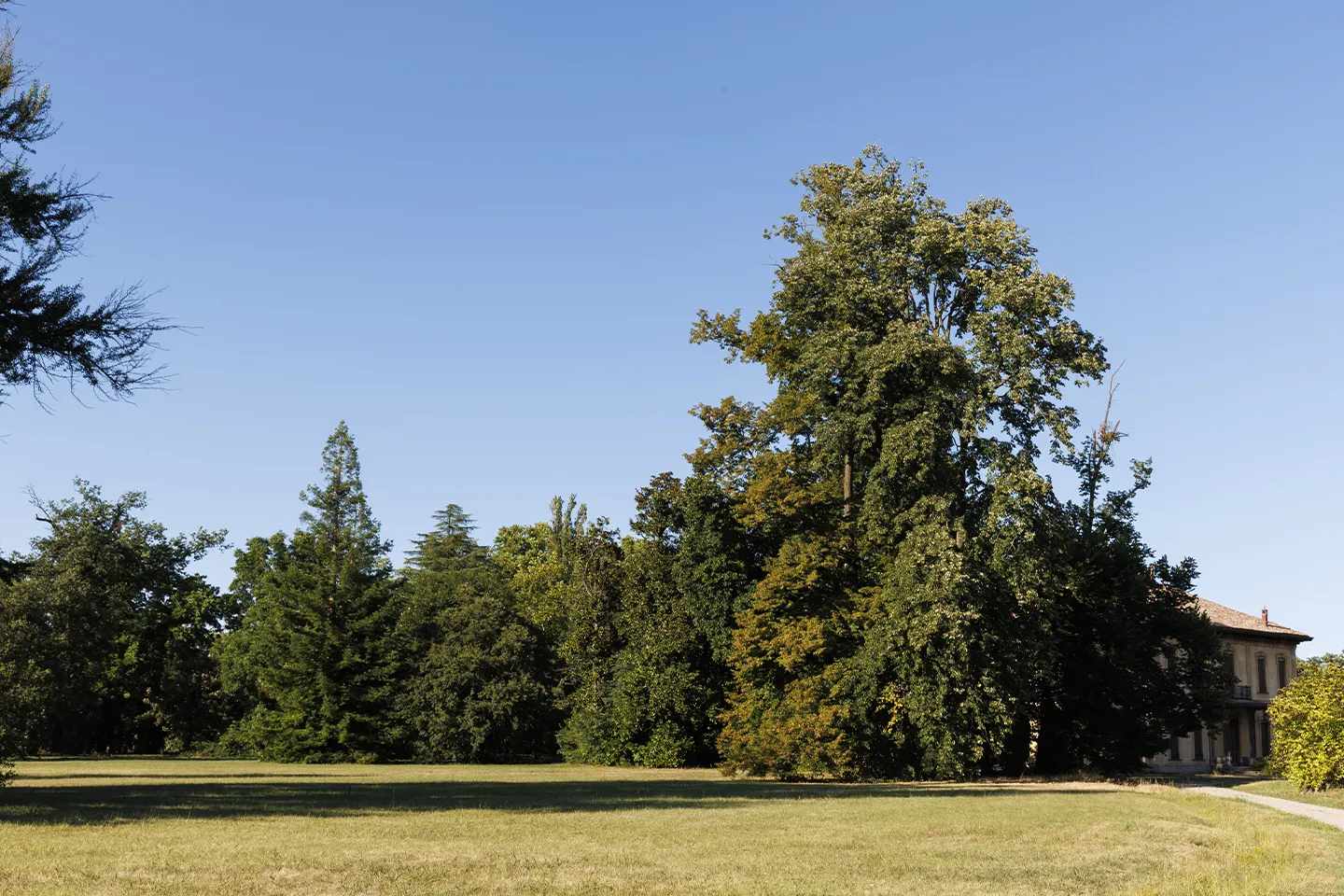
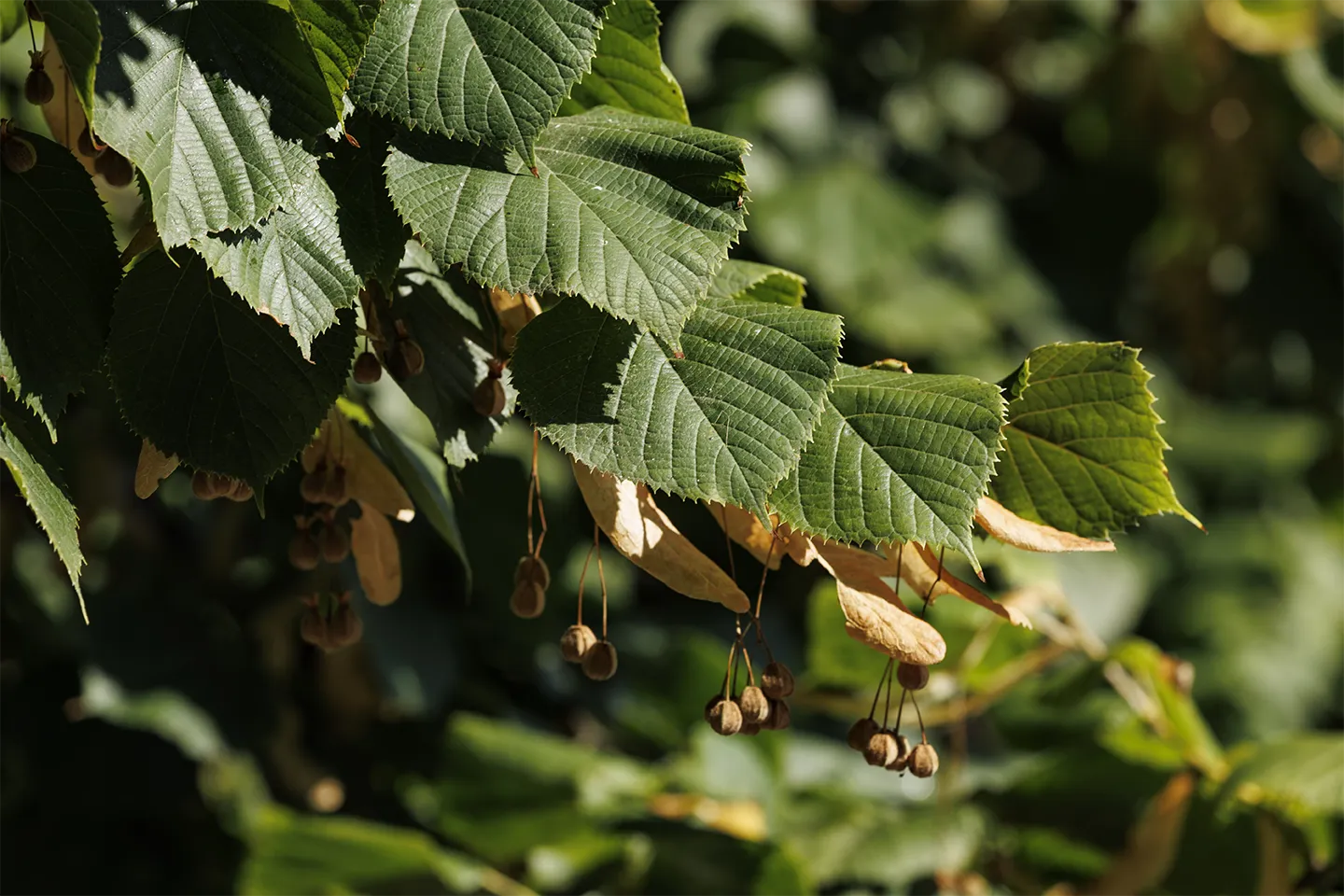
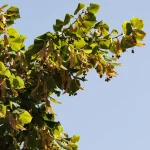
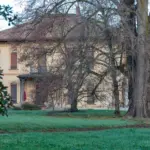
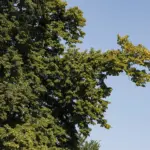
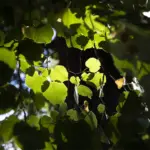
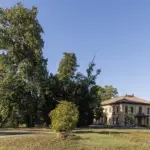
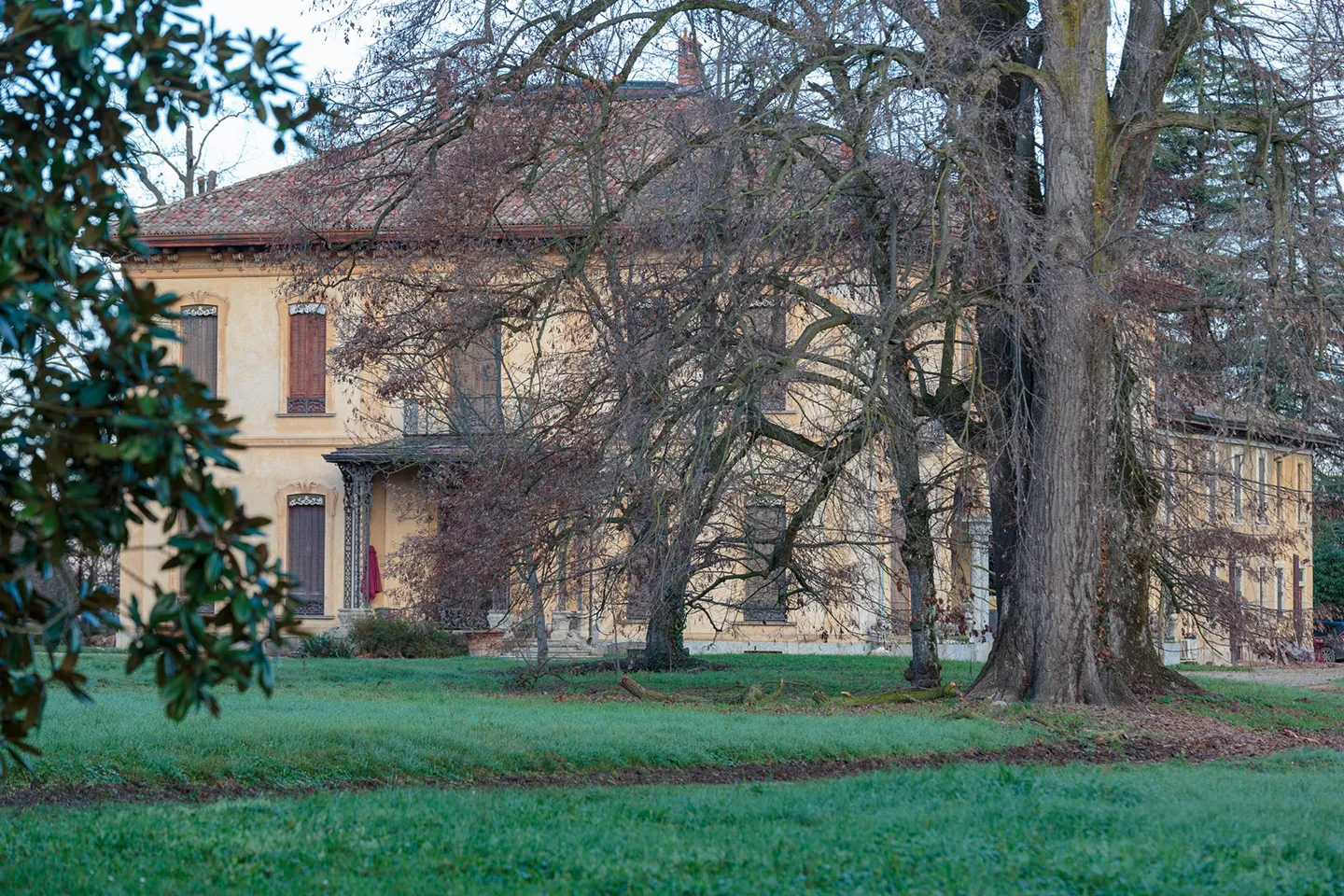
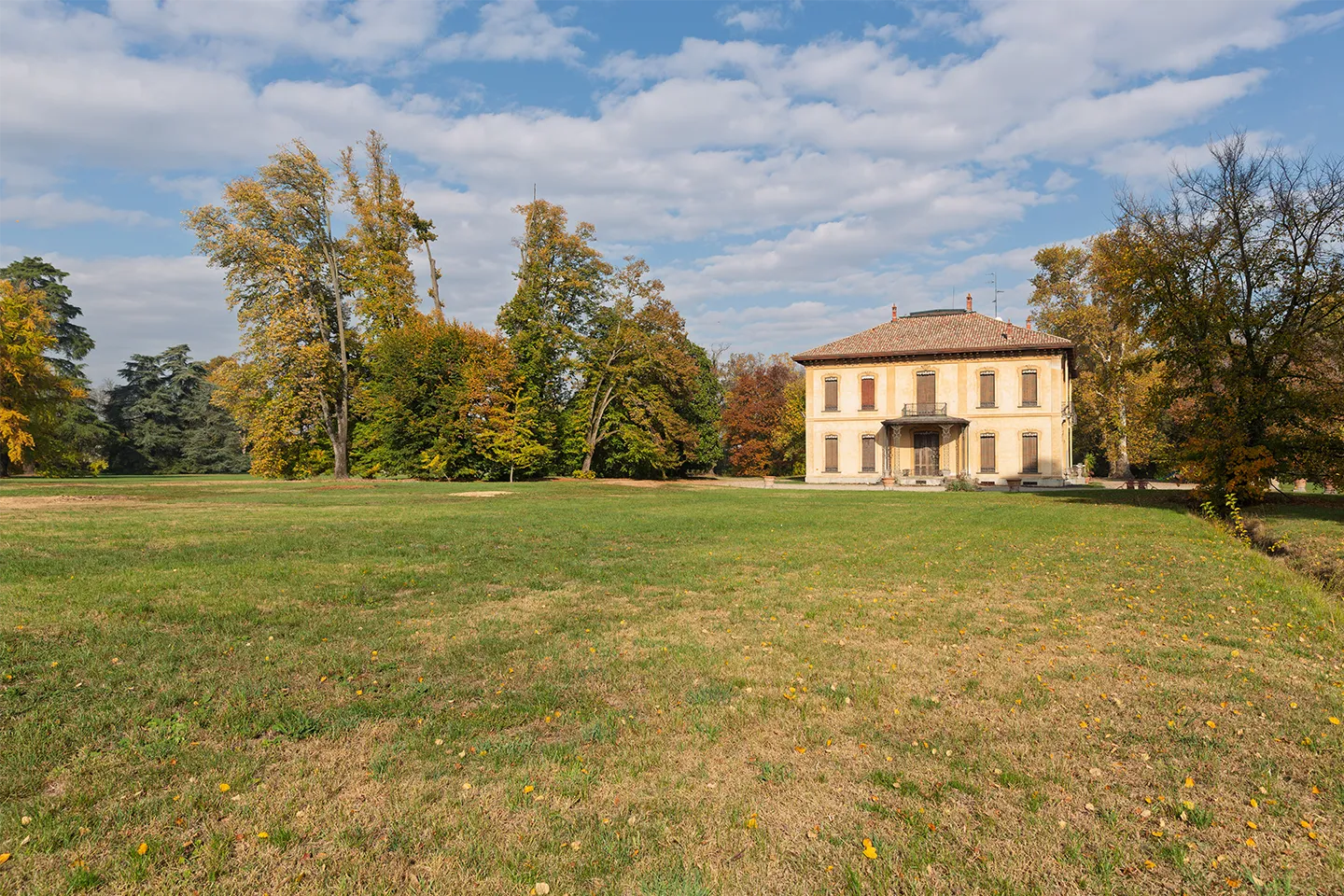
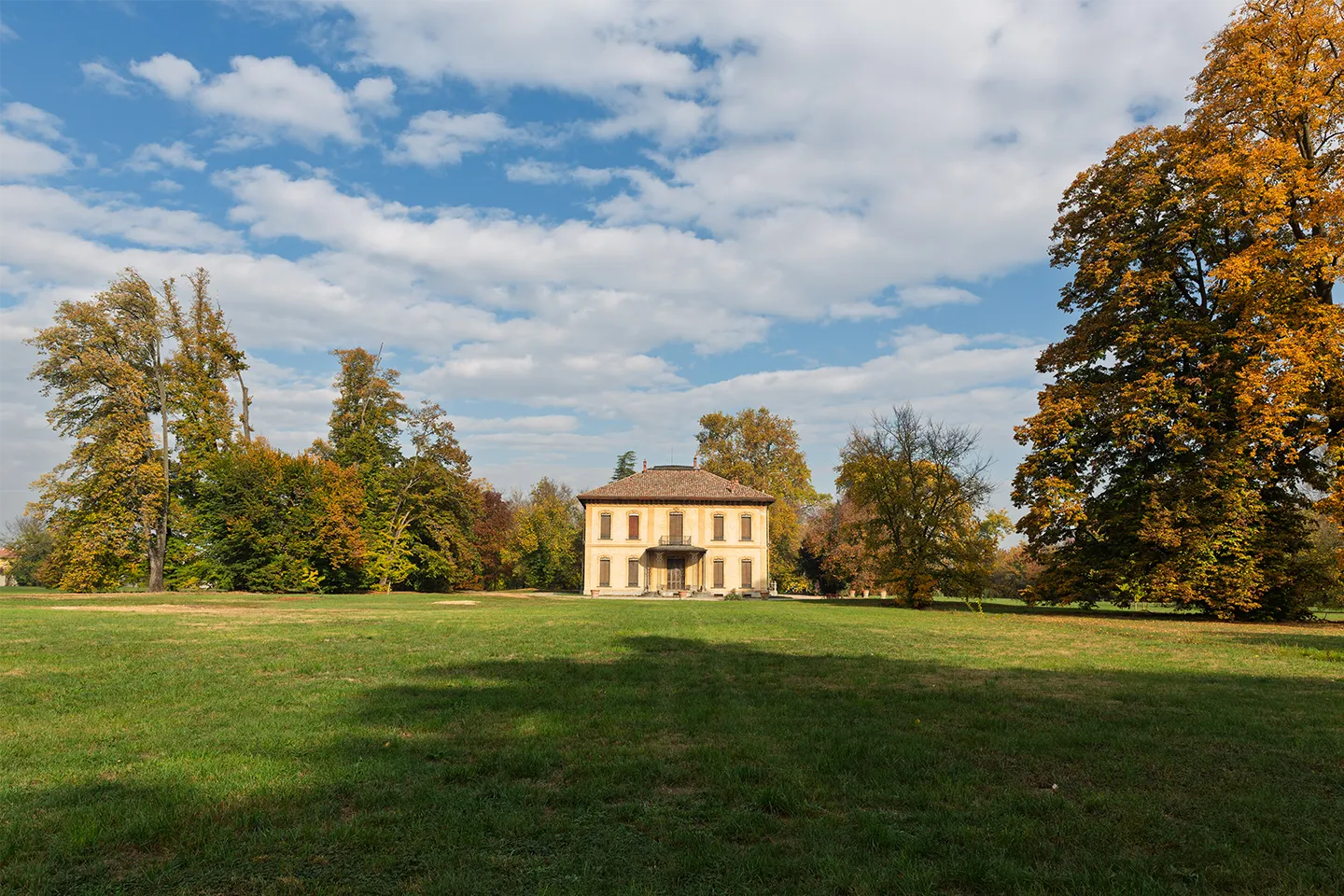
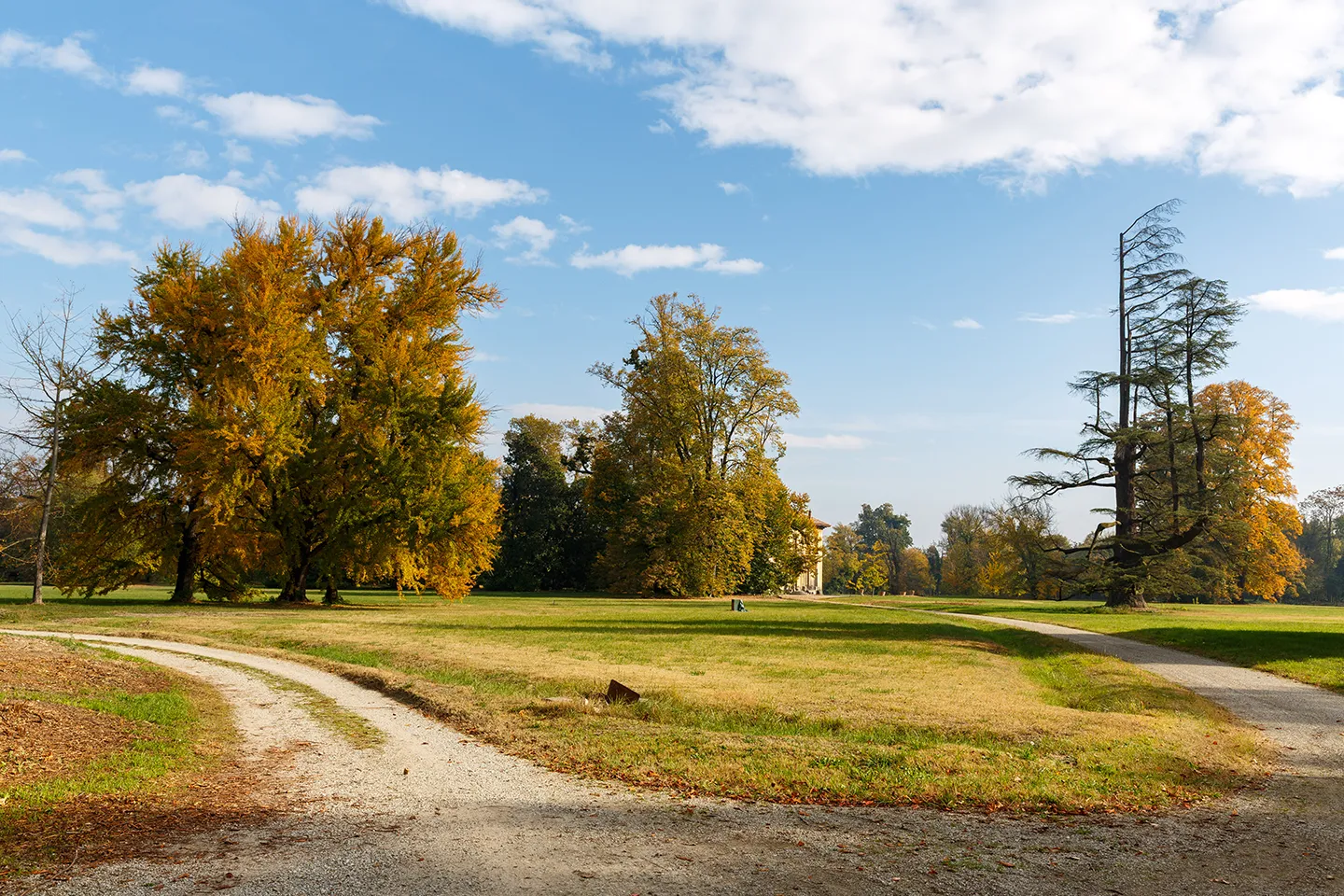
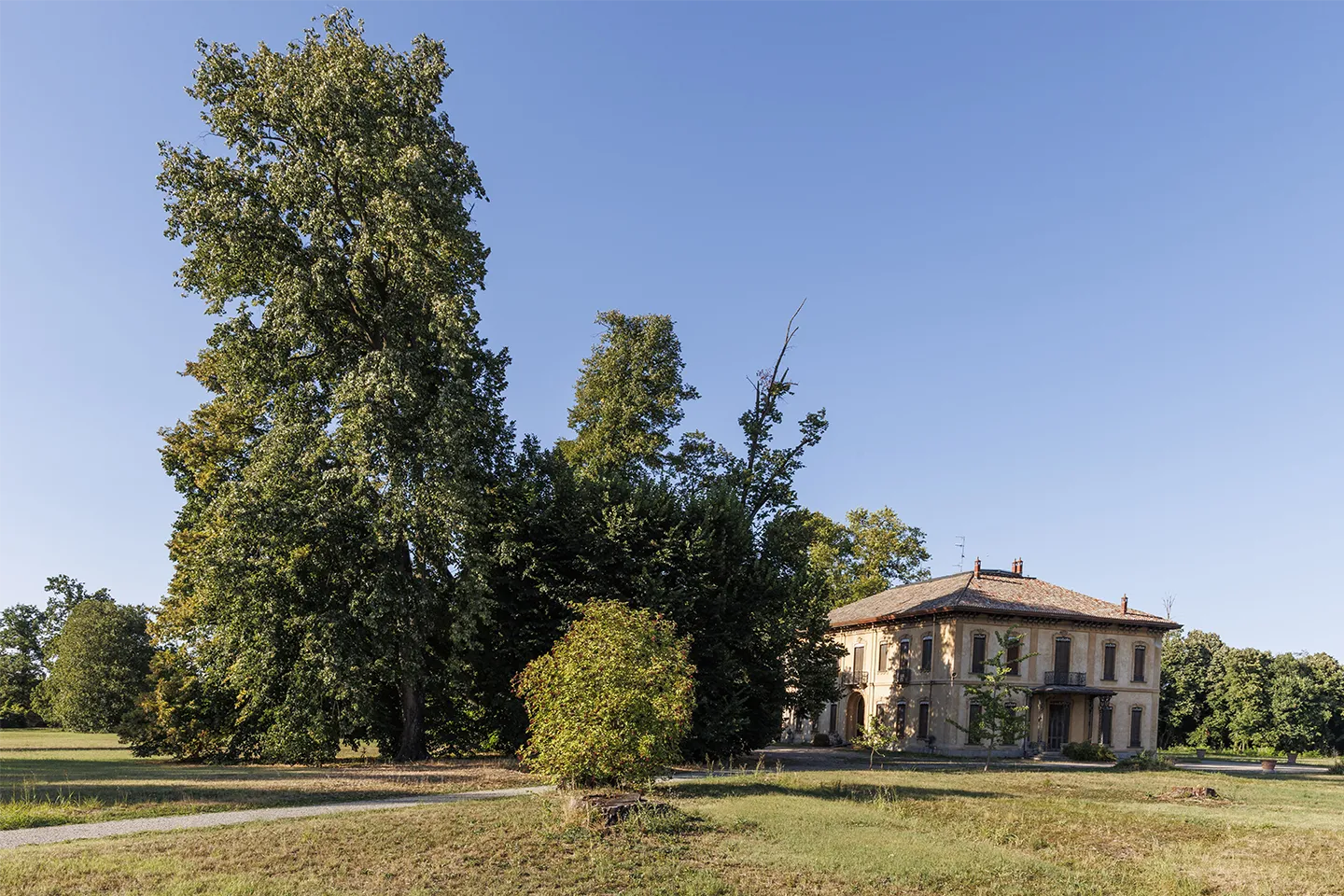
On the southwest side of the Villa, there is a group of trees that does not dominate the space but accompanies it with discretion and elegance: these are the lindens, clustered together in a compact ensemble that guides the eye and invites pause. In historic landscape gardens, nothing is accidental, and every tree is part of a larger vision.
In the English-style garden, isolated trees and compact groups – known as clumps – were carefully arranged to create depth, perspectives, and natural scenography. This approach to landscape design, theorized in the 18th century by Humphry Repton, transformed the garden into an experience to be explored slowly, like a sequence of living paintings.
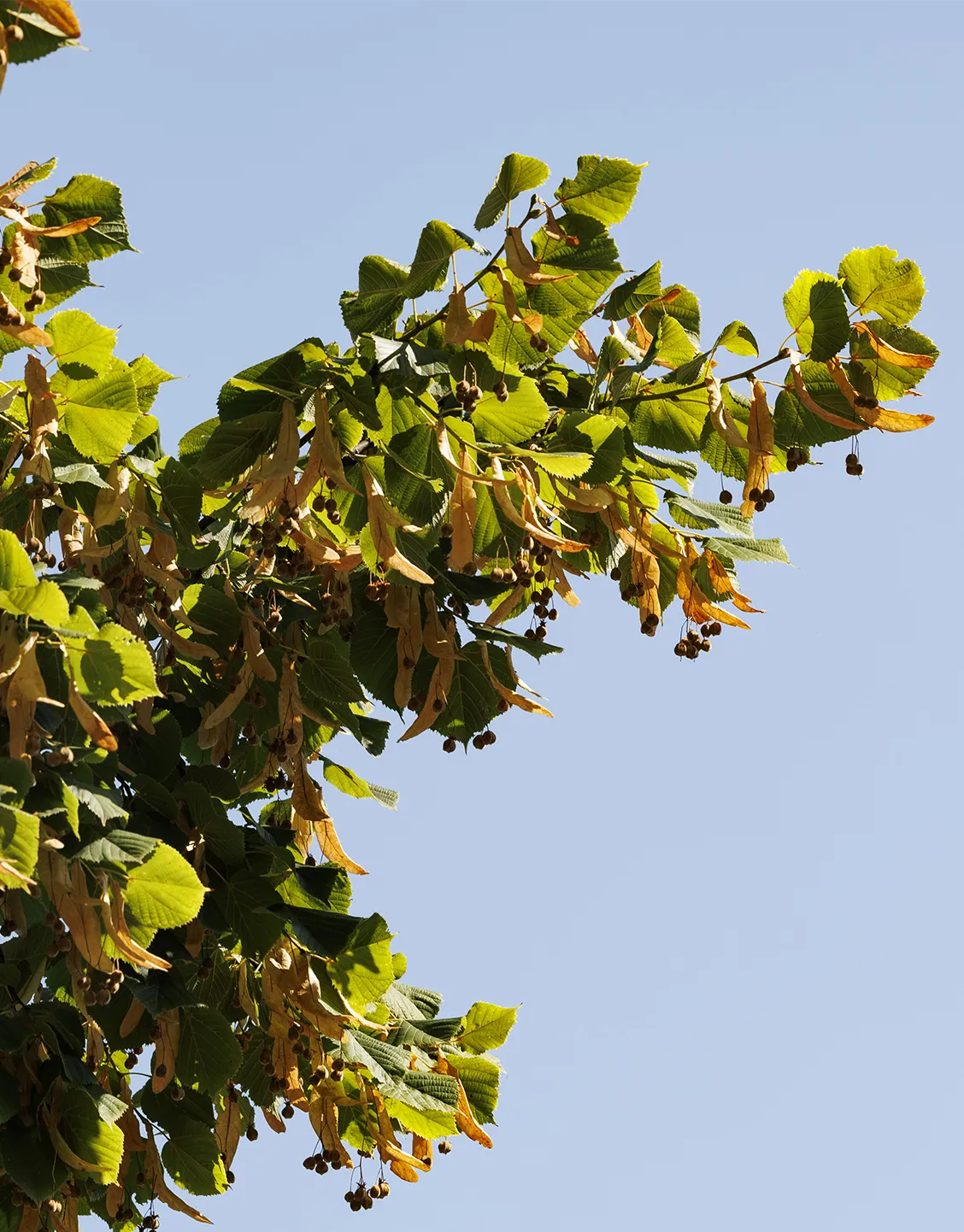
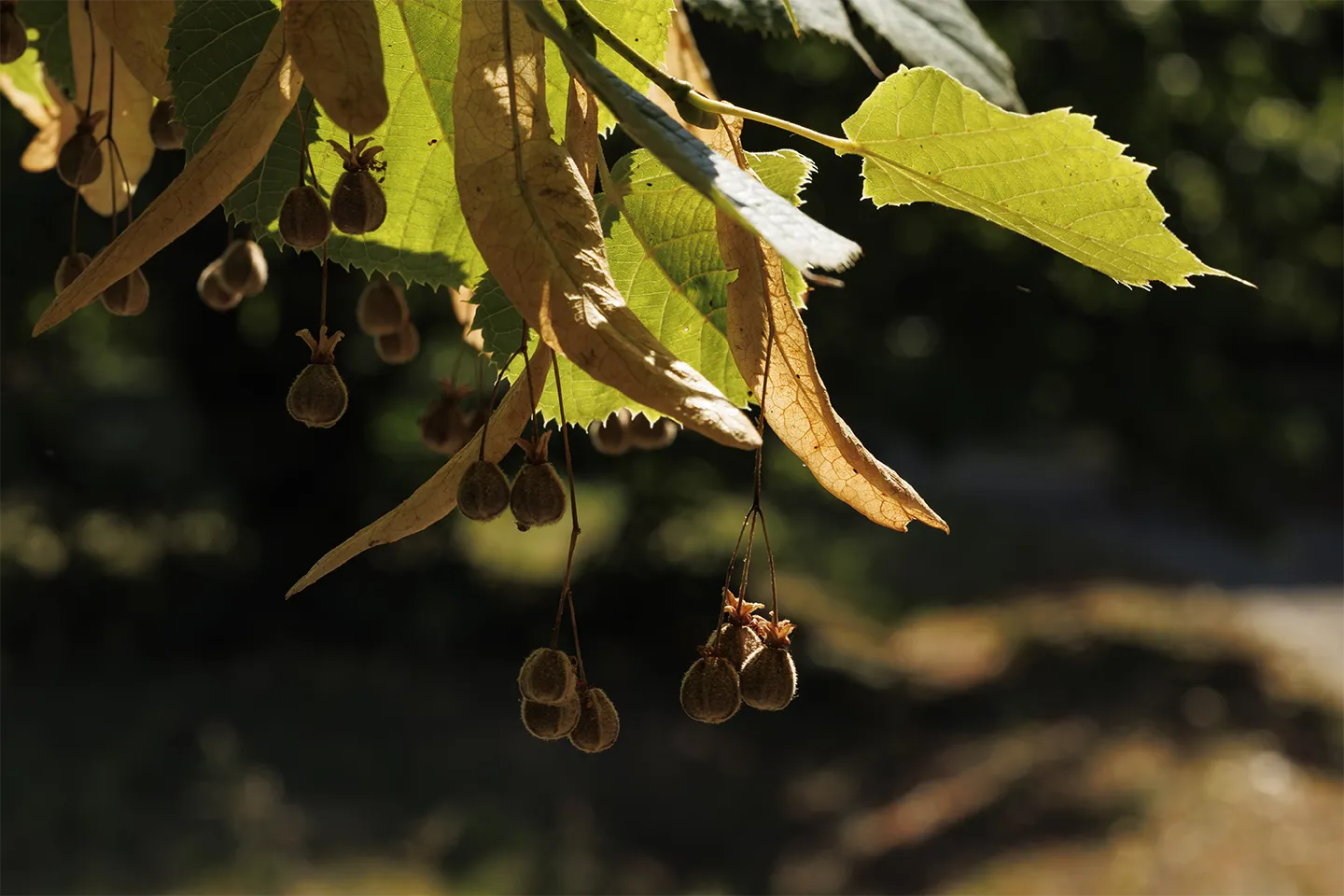
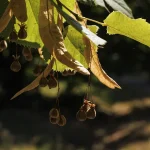
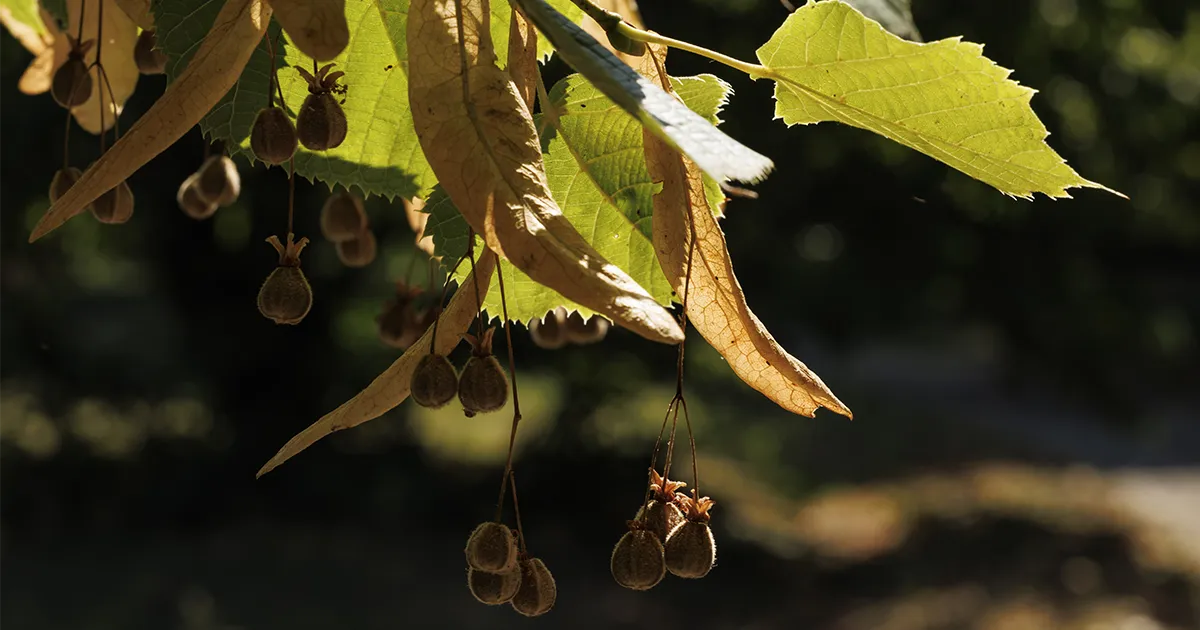
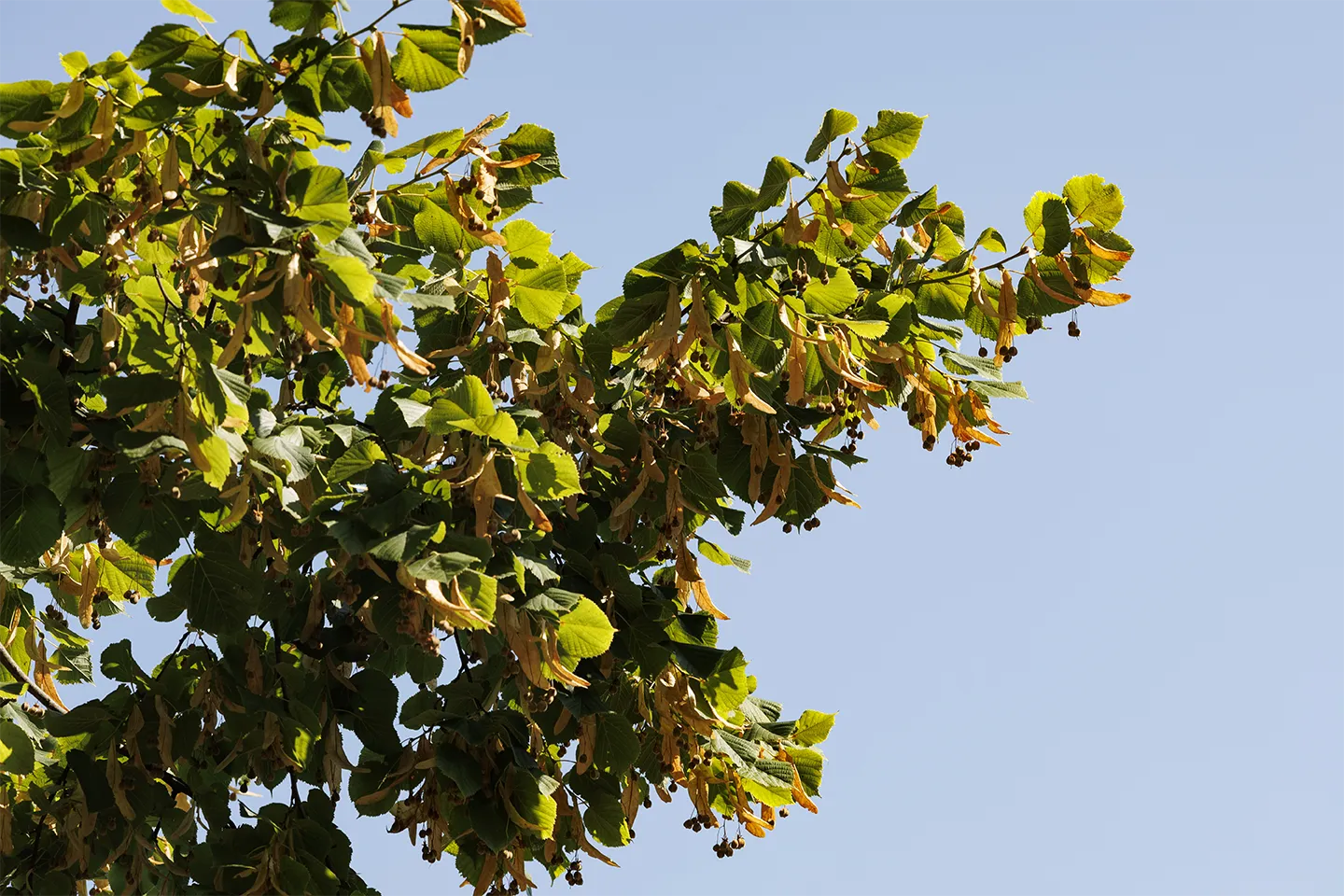
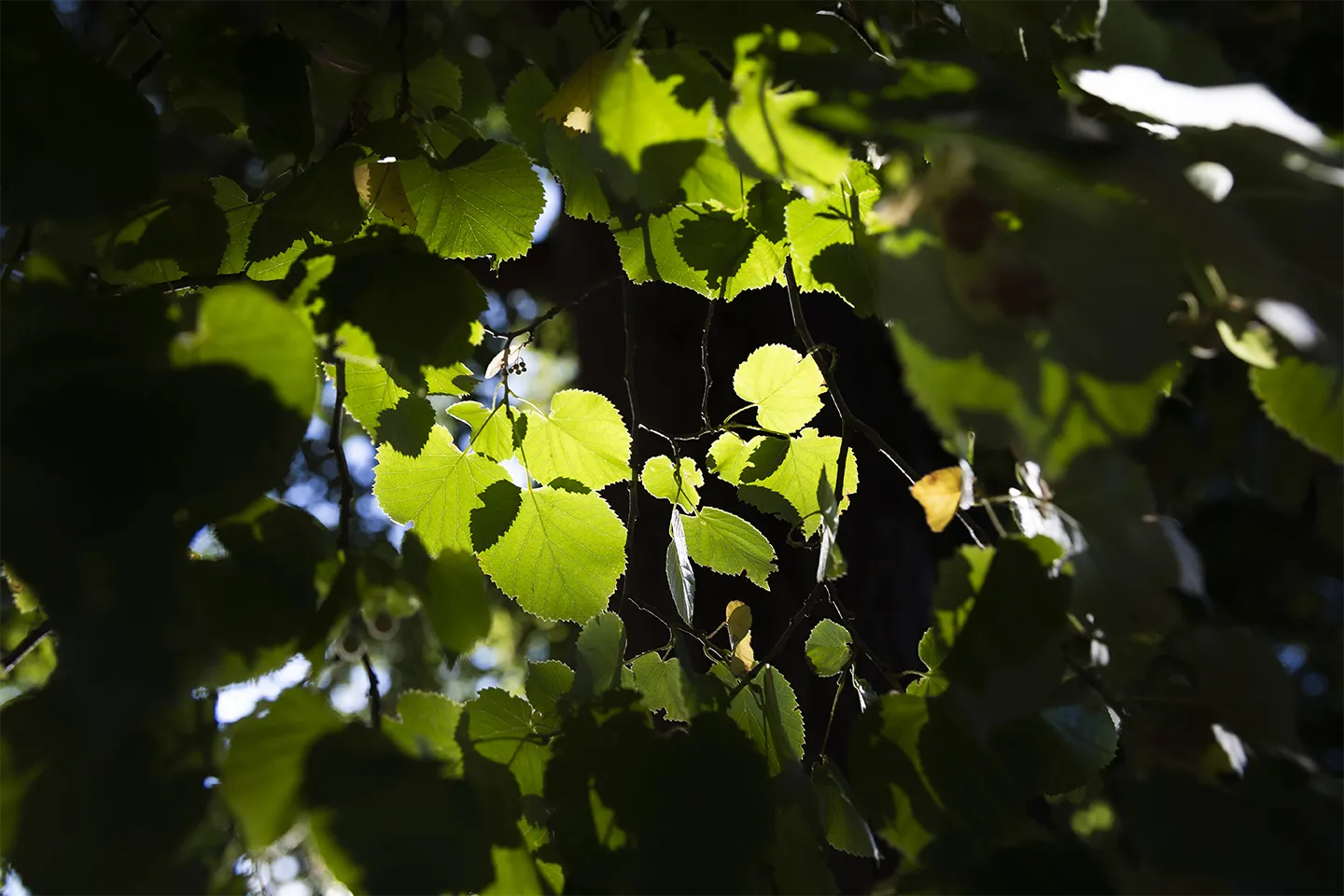
The linden tree was one of the most cherished species in this context. Native to Europe and Western Asia, it is a long-lived, harmonious tree with balanced growth.
In late spring, its flowers release a sweet, enveloping fragrance that fills the air, attracting bees and other pollinating insects. It is no coincidence that linden trees were often planted near historic estates: beyond their aesthetic value, they are medicinal plants, used for centuries in soothing teas and for respiratory benefits.
Five large lindens
A collective organism
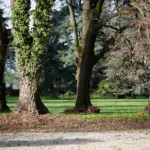
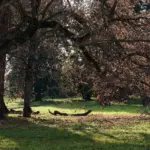
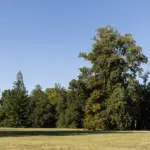
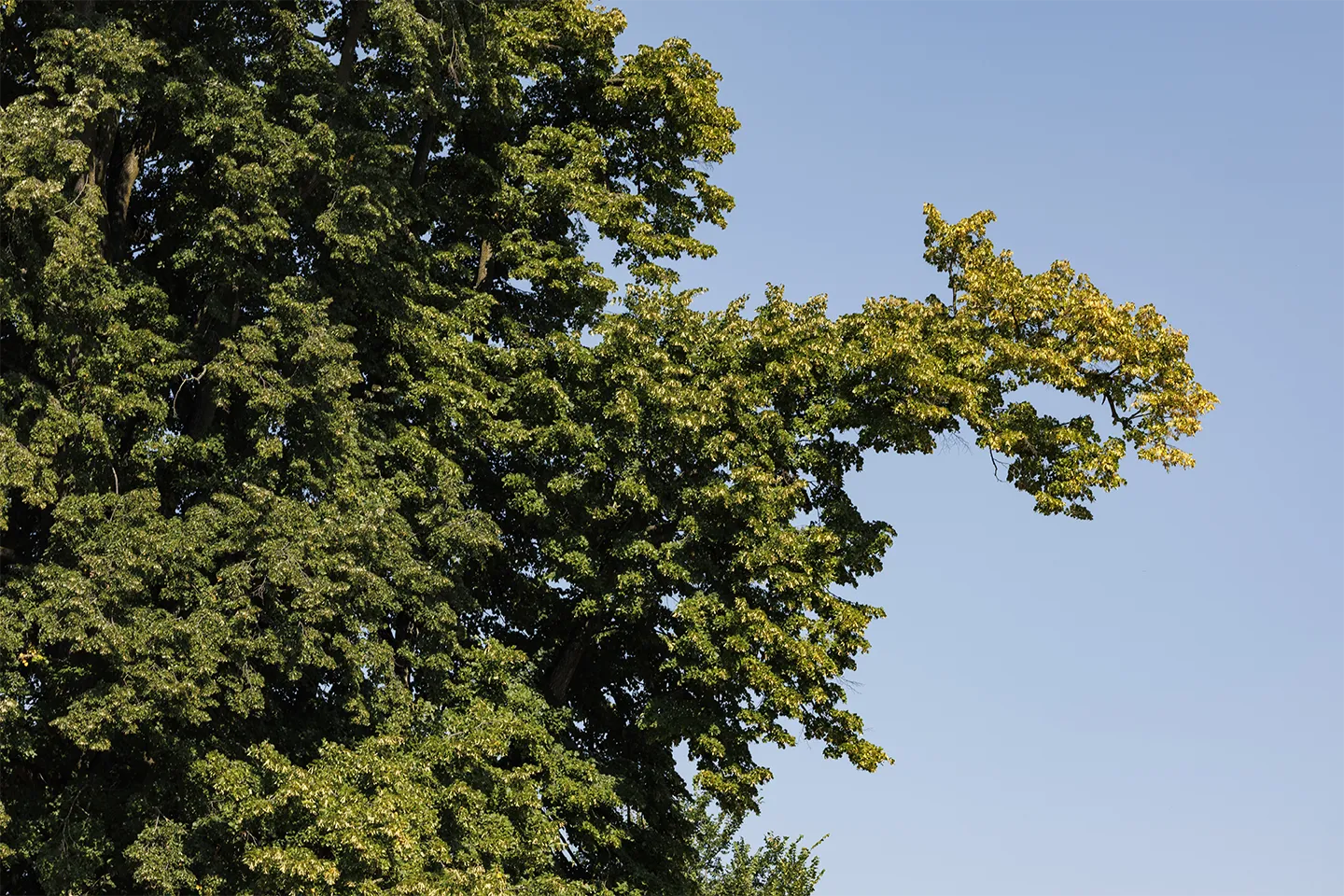
The group in the park consists of five large linden trees, each over twenty meters tall, planted very close together. Over time, their crowns have intertwined and their roots have connected underground, transforming these trees into a true collective organism, capable of sharing space, resources, and resilience.
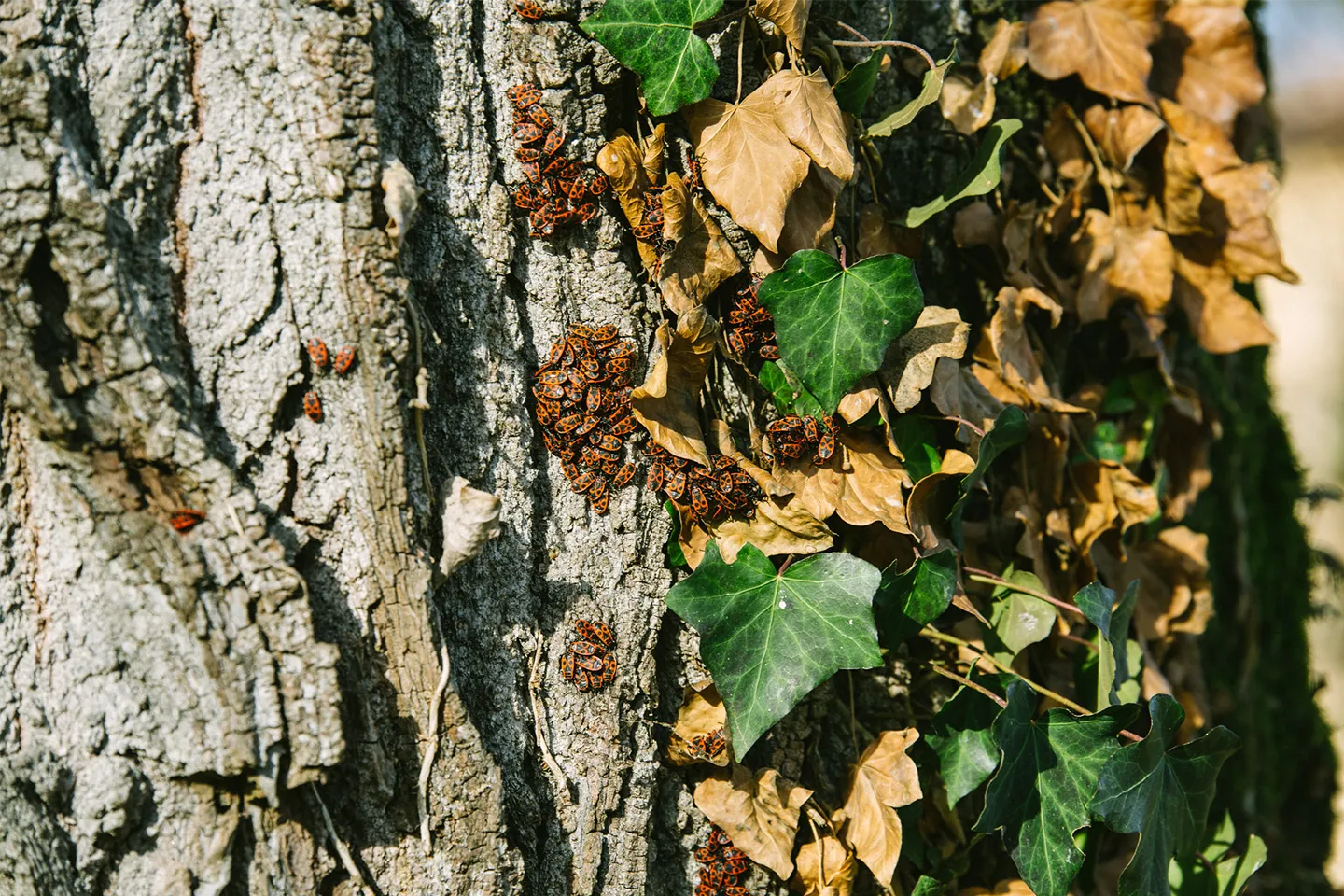
Today, the group shows the signs of time: fungal attacks, broken branches, parasites, and the loss of some specimens. Yet, the strength of the lindens does not lie in the individual tree, but in the whole. For this reason, the management of this clump requires careful and attentive care, considering the overall balance of the group and guiding its natural evolution without forcing it.
The lindens continue to be what they have always been: not just trees, but living presences.
The lindens of the park thus continue to fulfill their original role: not merely ornamental trees, but living presences that tell a story of a landscape rooted in the relationship between humans and nature. Standing beneath their intertwined canopies means entering a place of scents, silences, and delicate balances, where time slows and the garden reveals its deepest soul.
Villa Meli Lupi offre visite guidate alla Casa Museo dedicata all’Ambasciatore Antonio Meli Lupi di Soragna e al Parco Romantico. Il complesso storico è visitabile solo su prenotazione nei mesi di Maggio, Giugno, Luglio, Settembre e Ottobre.