Strada Martinella, 326 - 43124 Parma, Emilia-Romagna | Aperture su prenotazione nei mesi di Maggio, Giugno, Luglio, Settembre e Ottobre | Visits by appointment in May, June, July, September, and October
Strada Martinella, 326 - 43124 Parma, Emilia-Romagna | Aperture su prenotazione nei mesi di Maggio, Giugno, Luglio, Settembre e Ottobre | Visits by appointment in May, June, July, September, and October
The green threshold that welcomes visitors into the historic park
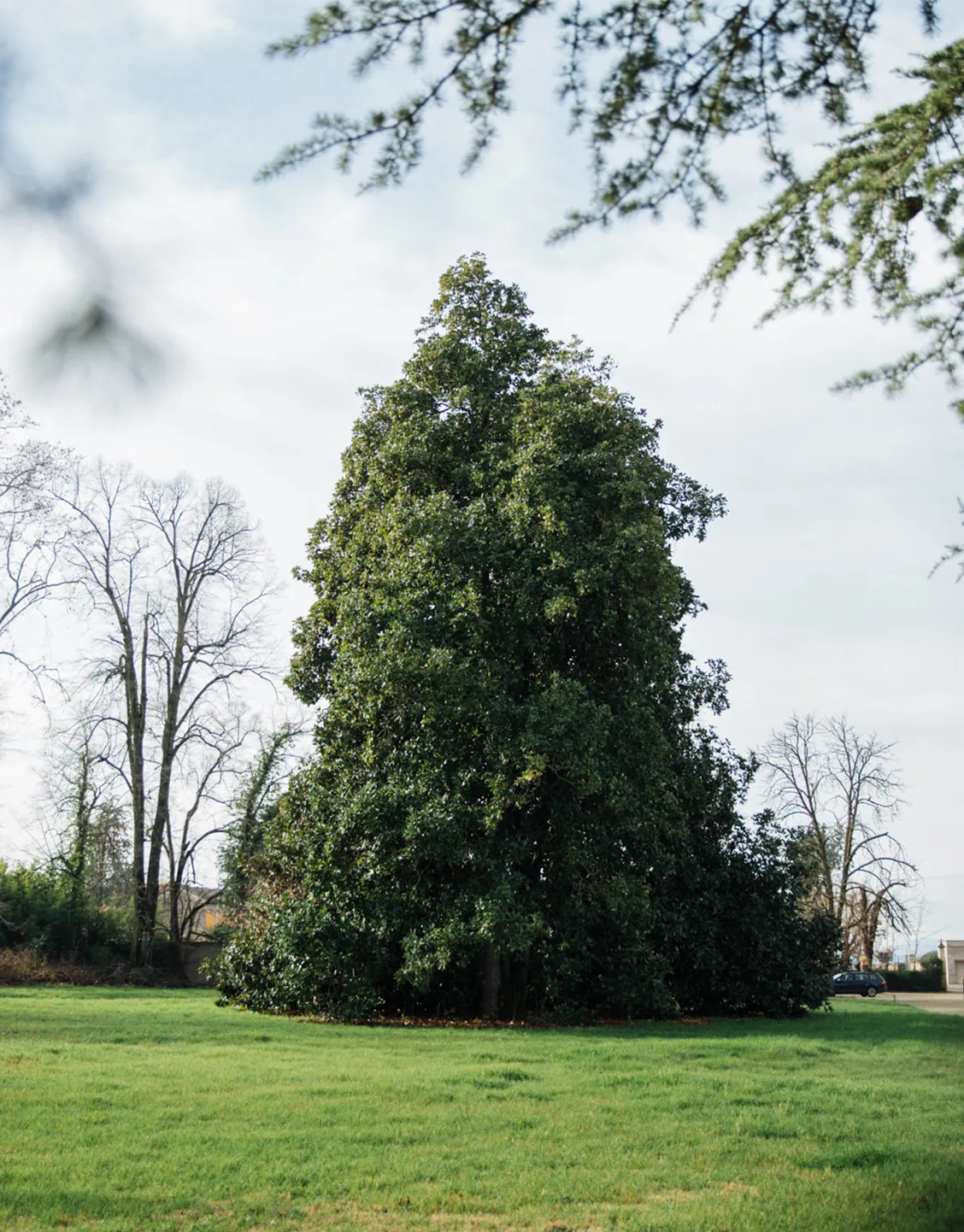
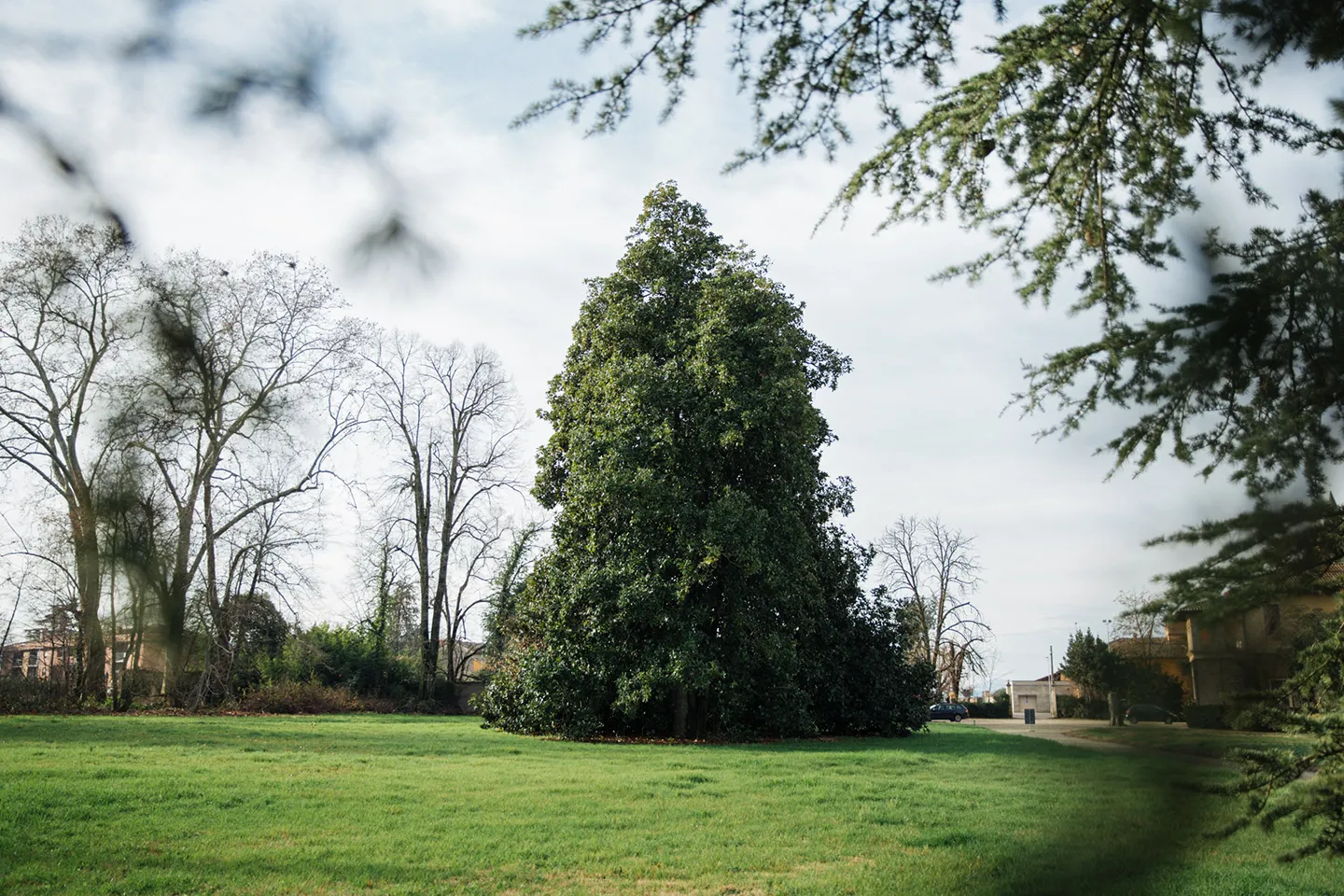
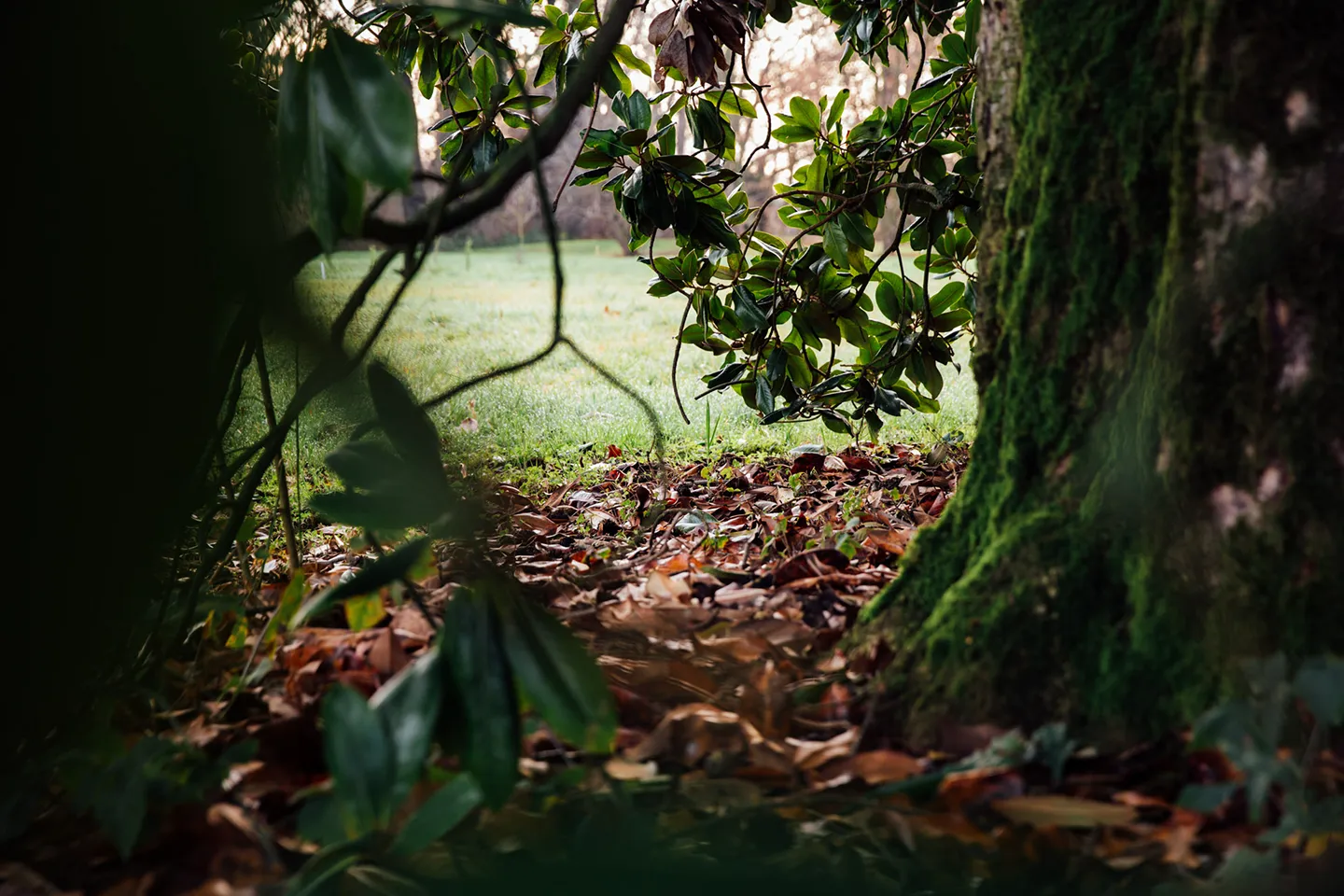
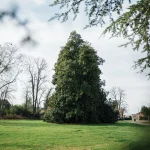
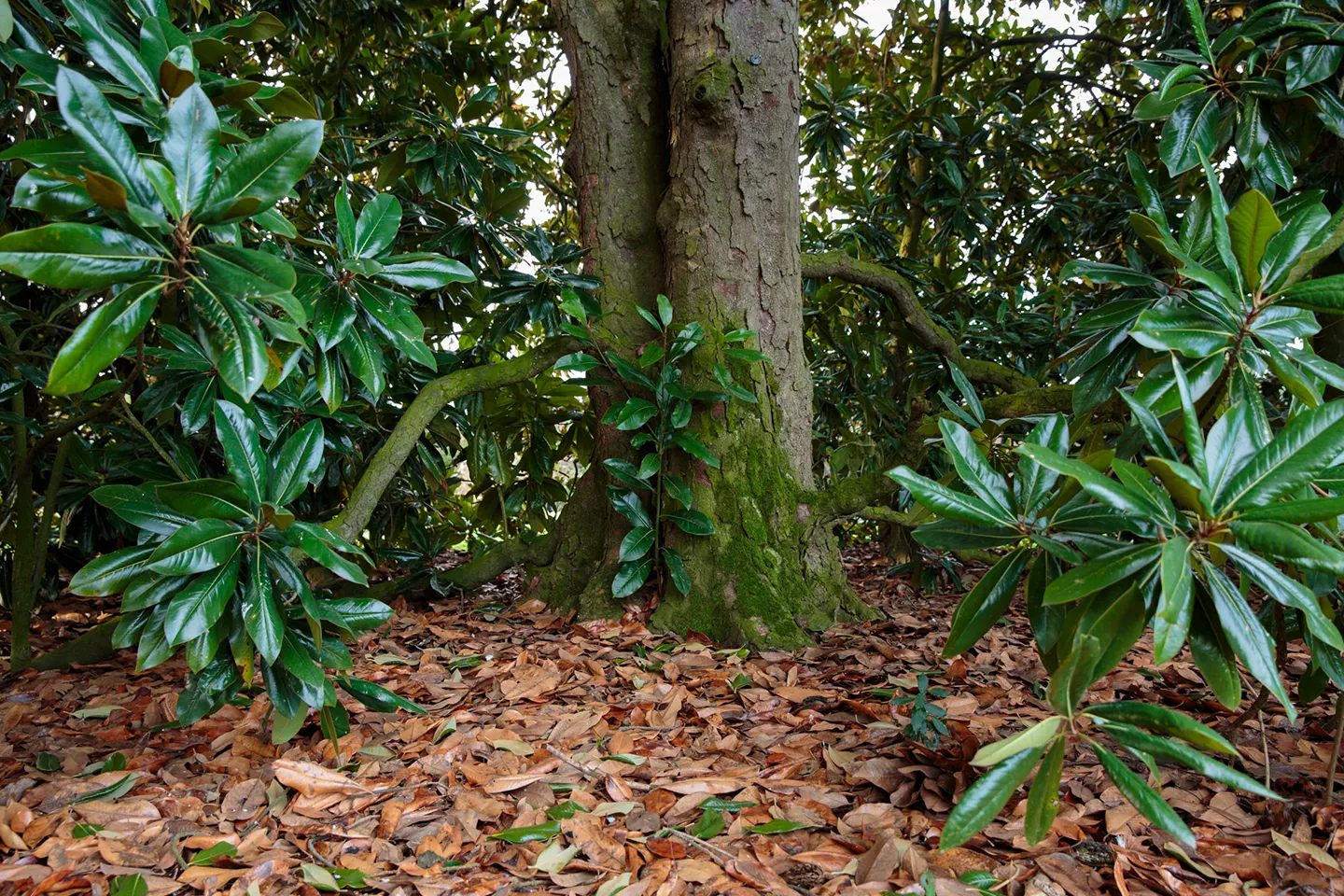
Just beyond the entrance gate of the park, the eye is immediately drawn to an imposing and elegant presence: the great Magnolia grandiflora. Located along the avenue leading to the Villa Toccoli, this majestic tree guides visitors step by step, becoming a true green threshold between the outside world and the heart of the historic park.
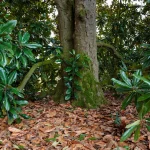
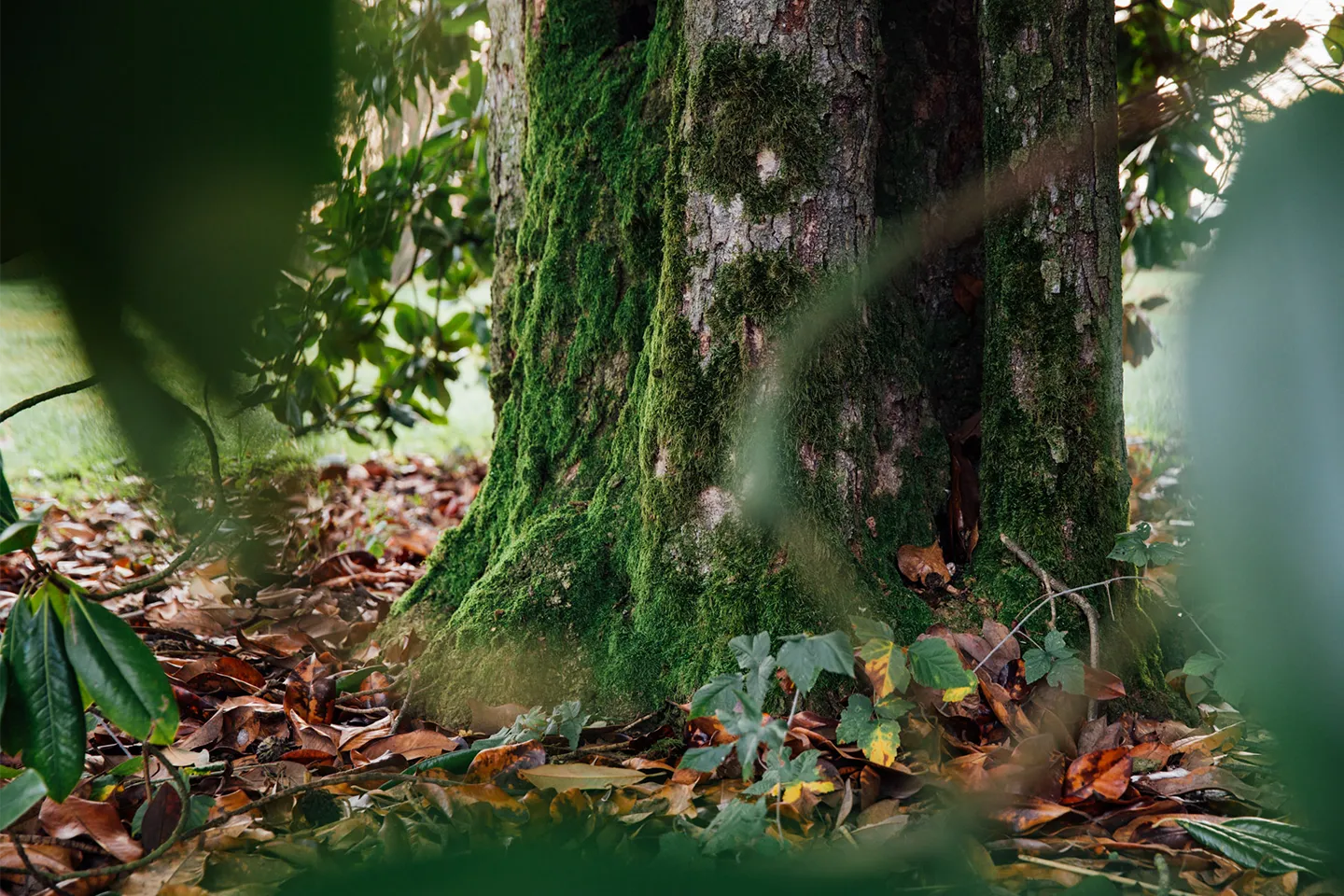
What at first appears to be a single large tree is actually a group of four magnolias that have grown together over time. Their branches, reaching down to the ground, intertwine around the trunks, creating a dense and harmonious mass of foliage. It is a rare and precious form, made possible by decades of natural growth, without forced pruning or formal shaping.
In historic landscape gardens, trees were chosen not only for their ornamental value, but also for their ability to shape and define space.
Large individual specimens and groups of trees were arranged to create visual pathways, guide the visitor’s journey, and structure their experience. In this context, the Magnolia grandiflora is not just a decorative tree, but a landmark that introduces visitors to the park’s design language.
An elegant canopy
A spectacular bloom
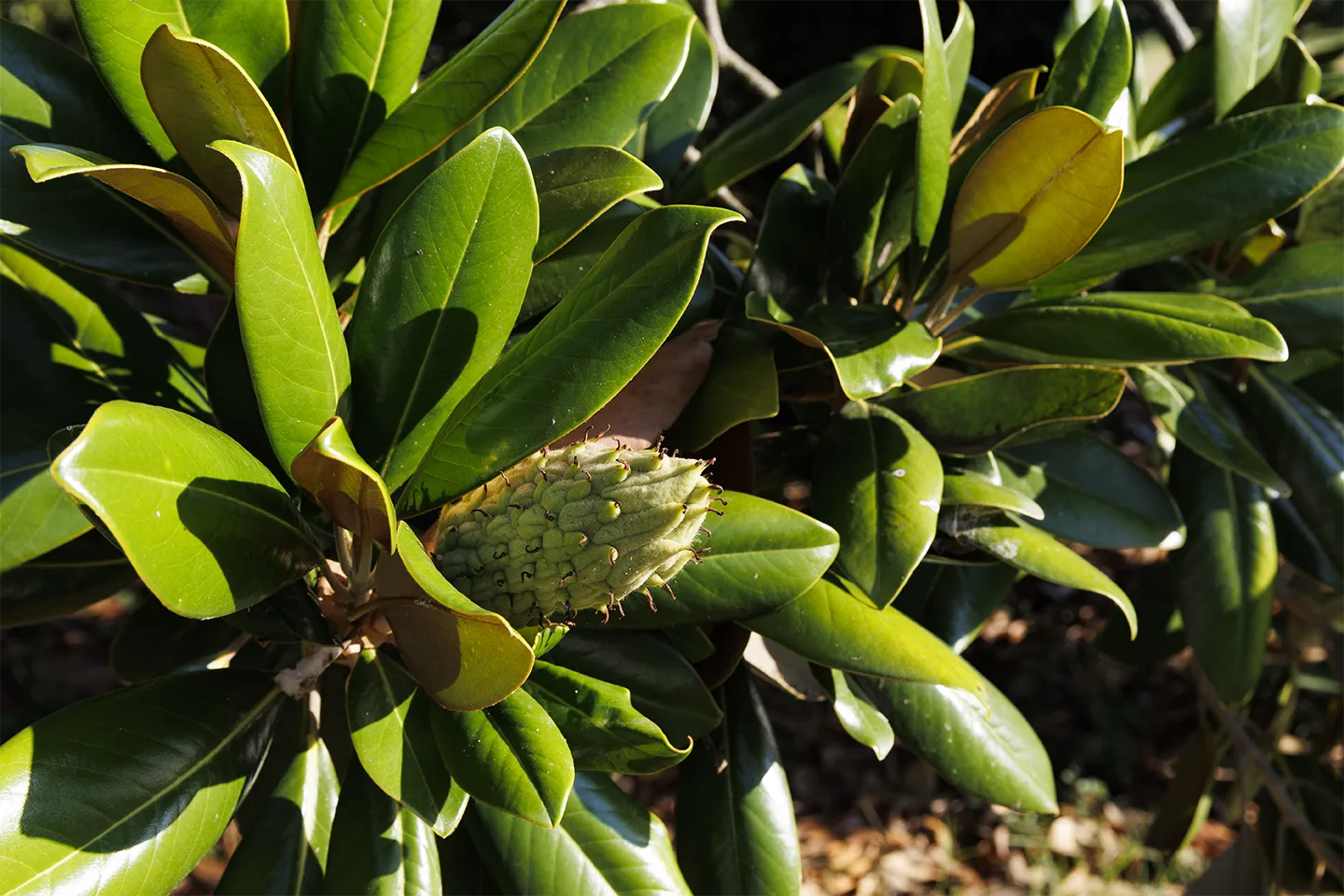
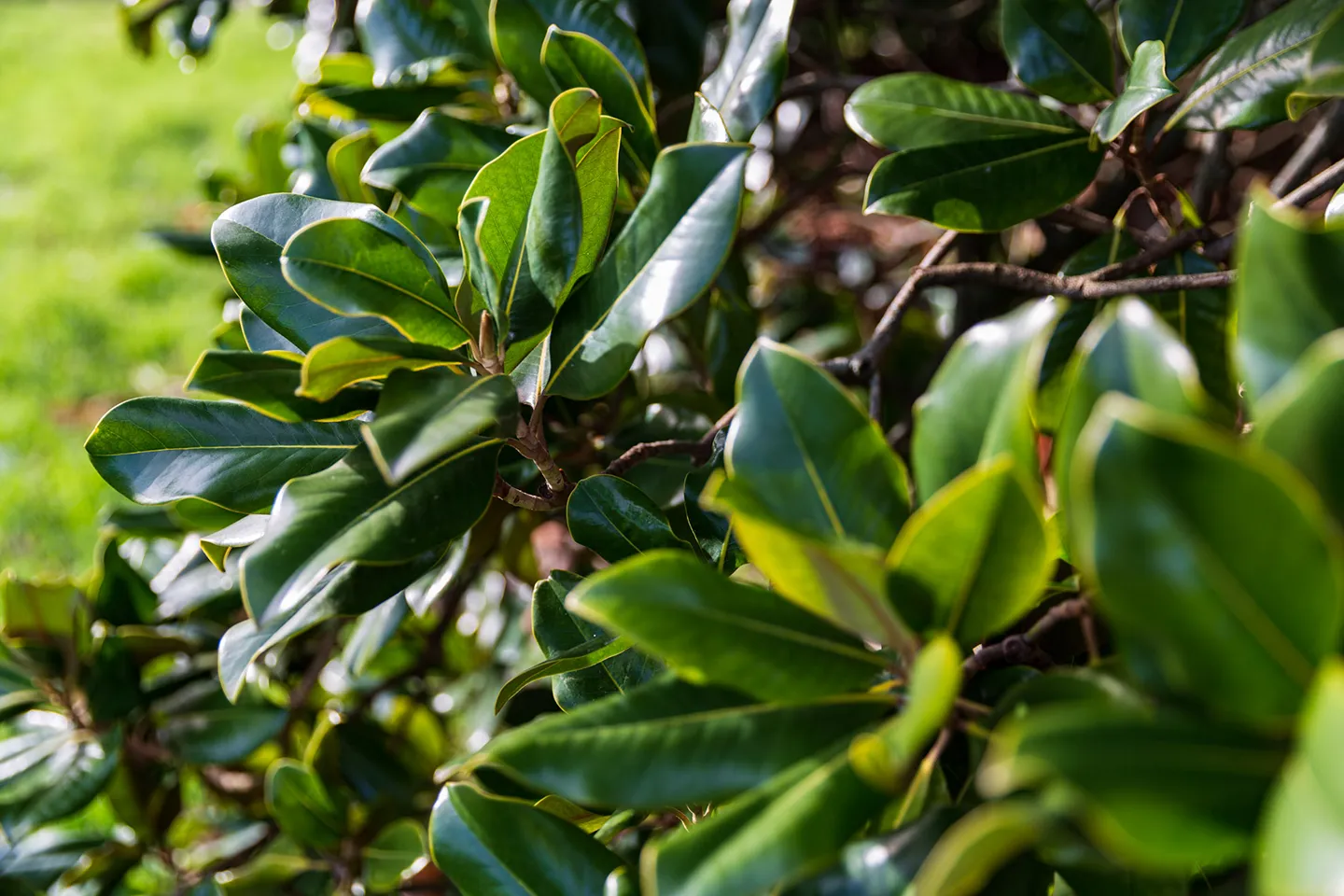
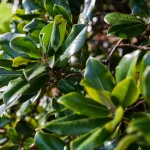
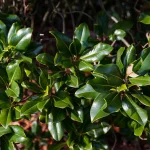
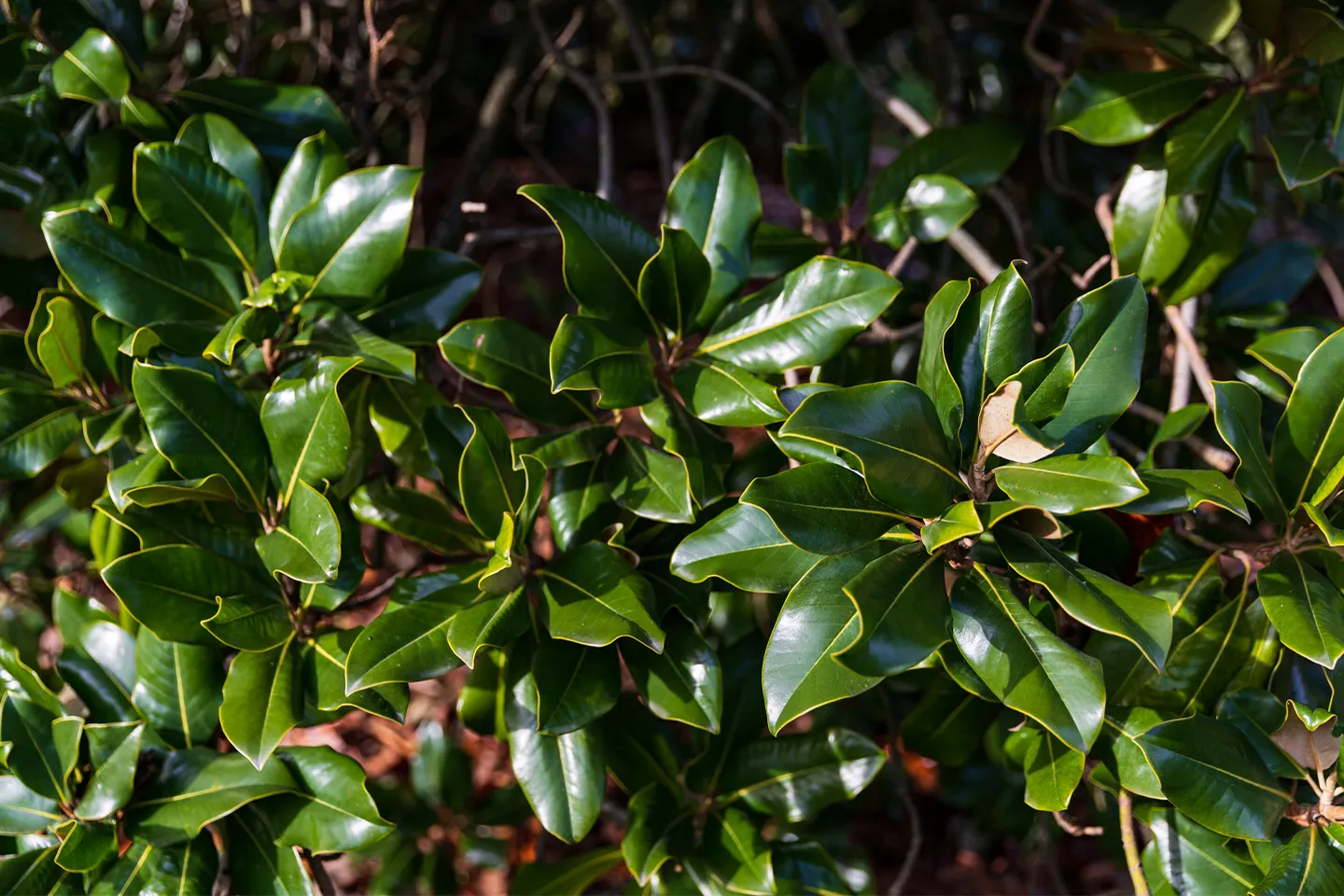
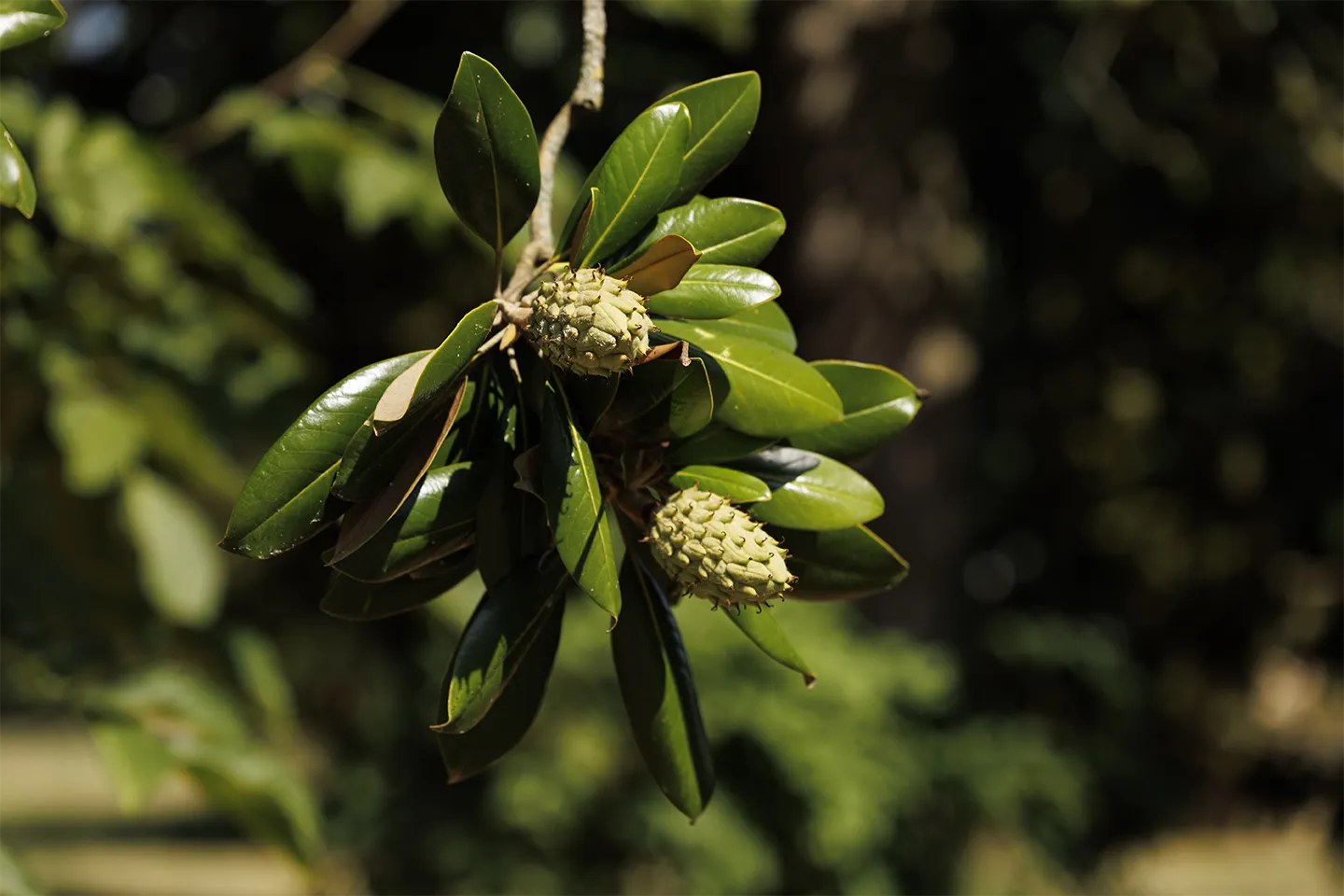
The magnolia arrived in European gardens between the 17th and 18th centuries, quickly earning a place of honor thanks to the elegance of its canopy and the spectacular nature of its blooms. The Magnolia grandiflora, an evergreen species native to America, stands out for its persistent foliage: large, leathery, and glossy leaves, deep green on the upper side and a lighter, bronzed shade on the underside.
The flowering, later than that of the deciduous Asian magnolias, is one of the most anticipated events in the park. The large, pristine white flowers have a perfect shape and a sweet, enveloping fragrance that lingers in the air. In autumn, the tree is adorned with ornamental fruits resembling small cones, from which bright red seeds emerge, striking and decorative.
A living, unified system
Like other large tree groups in the park, these magnolias also form a living, unified system. Every management intervention is planned collectively, because what happens to one tree affects the balance of the entire group. Protecting a magnolia means preserving the harmony of them all.
Season after season, the grand Magnolia grandiflora continues to fulfill its original role: welcoming visitors, marking the entrance, and conveying – through its very presence – the idea of a garden where nature is allowed to grow freely and transform into landscape.
Villa Meli Lupi offre visite guidate alla Casa Museo dedicata all’Ambasciatore Antonio Meli Lupi di Soragna e al Parco Romantico. Il complesso storico è visitabile solo su prenotazione nei mesi di Maggio, Giugno, Luglio, Settembre e Ottobre.