Strada Martinella, 326 - 43124 Parma, Emilia-Romagna | Aperture su prenotazione nei mesi di Maggio, Giugno, Luglio, Settembre e Ottobre | Visits by appointment in May, June, July, September, and October
Strada Martinella, 326 - 43124 Parma, Emilia-Romagna | Aperture su prenotazione nei mesi di Maggio, Giugno, Luglio, Settembre e Ottobre | Visits by appointment in May, June, July, September, and October
History and Architecture of the Noble Residence in Vigatto
In the heart of the Parma region stands Villa Meli Lupi di Soragna Tarasconi, one of Italy’s most elegant historic residences, now home to Marchese Raimondo Meli Lupi di Soragna Tarasconi, descendant of an ancient noble family whose origins date back to the 3rd century A.D.
The Villa, the result of the union between the residences of the Conti Toccoli and the Conti Magawly-Cerati di Calry, was restored and expanded in the 19th century by Marchese Luigi Lupo Meli Lupi di Soragna and his wife Contessa Luisa Melzi di Cusano, who entrusted the architect Antonio Citterio with the project to merge the two properties.
A symbol of elegance and historical continuity, Villa Meli Lupi di Soragna Tarasconi tells the story of a family that, through imperial titles and tradition, has kept alive the charm of Parmese nobility.
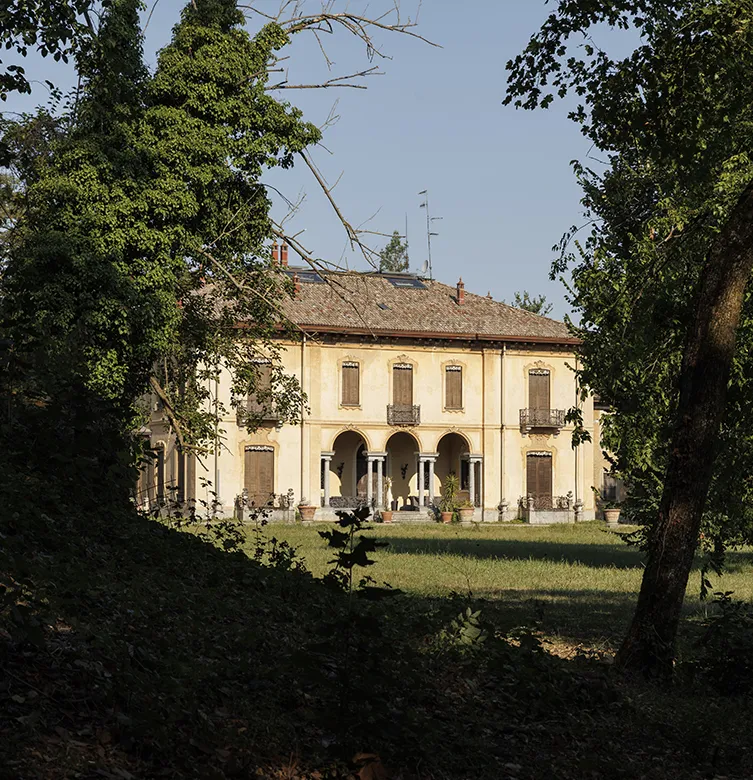
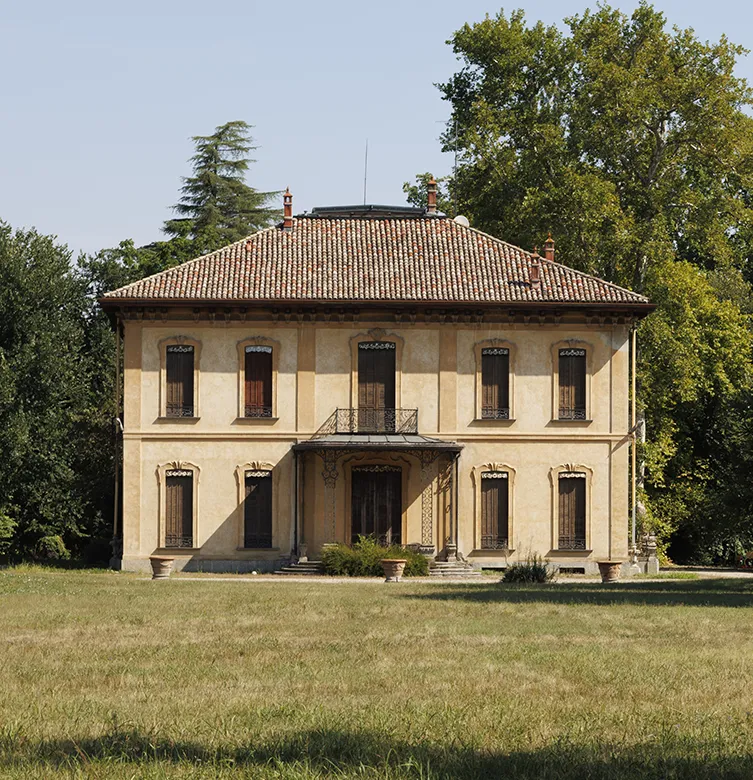
The Main Manor House of Vigatto, formerly known as Villa Toccoli, is the historic heart of the Meli Lupi di Soragna Tarasconi estate.
Its origins date back to the 16th century, when the Conti Toccoli, an ancient Parmese family, owned it for nearly three centuries.
After the extinction of the family, the villa passed to Conte Luigi Tarasconi and later to the Marchesi Meli Lupi di Soragna, who oversaw a major restoration at the end of the 19th century under the direction of the architect Antonio Citterio.
The current building, in elegant Lombard neo-Barocchetto style, features sober lines, a refined three-arch portico, and highly prestigious interiors, with coffered ceilings, Baroque stuccoes, and spacious reception halls. The rooms of the Villa and the Annèxe still convey the elegance and courtly life of Parmese nobility today.
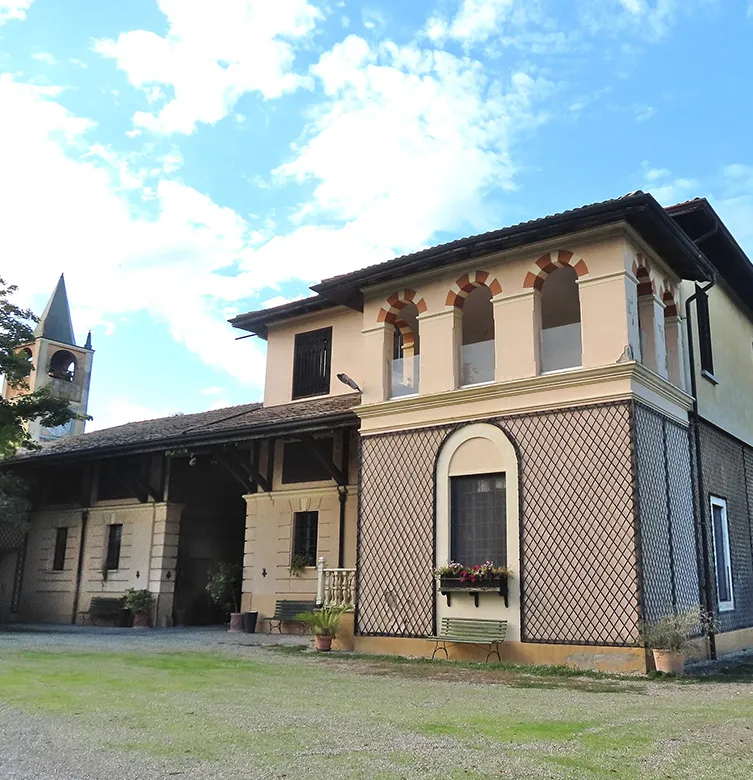
The Casa Magawly-Cerati, today an elegant dépendance of the Villa Meli Lupi di Soragna Tarasconi, was in the 18th century the residence of the Conti Cerati di Viarolo. After centuries of dynastic transfers, it became the property of the Conti Magawly di Calry, a distinguished Irish noble family dating back to 379 A.D.
Among its most notable members was Conte Filippo Magawly, Prime Minister to Maria Luigia d’Austria, Duchess of Parma, and Grand Chancellor of the Constantinian Order. In 1895, the villa passed to the Marchesi Meli Lupi di Soragna, who entrusted its restoration to the architect Antonio Citterio.
Citterio transformed the residence into an elegant rustic courtyard in cottage style, with houses, sheds, greenhouses, and stables, while preserving the noble and rural charm of the estate. Until the 1970s, some rooms even housed the village kindergarten, a testament to the continuity between history, architecture, and daily life.
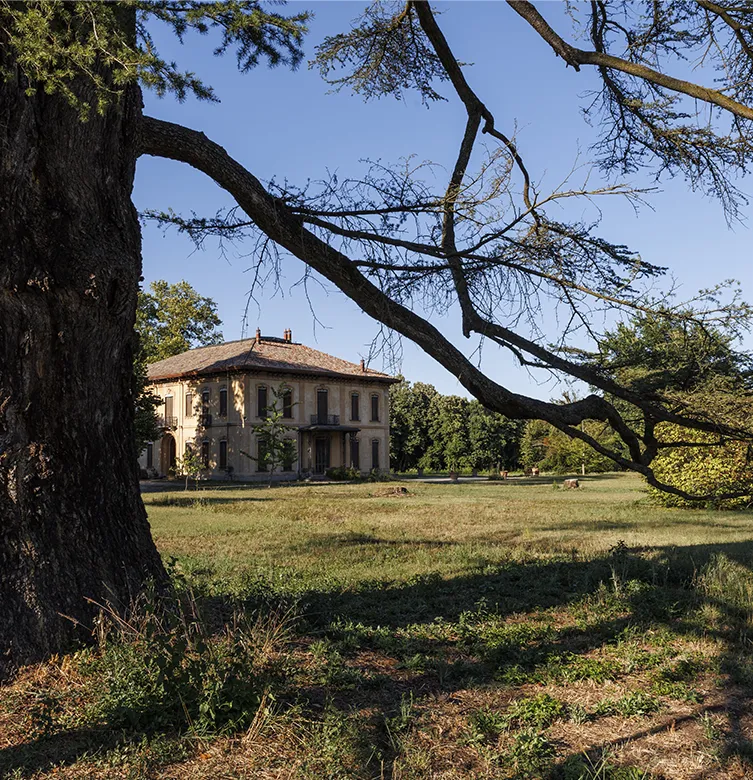
Designed by Marchesa Luisa Melzi di Cusano together with architect Antonio Citterio, the garden still preserves its original refined elegance today.
Spanning approximately 10 hectares, the park alternates between expansive wood, green lawns and centuries-old trees – including majestic Cedrus libani and Ginkgo biloba – arranged to create perspective vistas and picturesque views from the villa’s windows. A perfect balance between nature and art, it symbolizes the harmony that has long characterized noble residences in Emilia.
Villa Meli Lupi offre visite guidate alla Casa Museo dedicata all’Ambasciatore Antonio Meli Lupi di Soragna e al Parco Romantico. Il complesso storico è visitabile solo su prenotazione nei mesi di Maggio, Giugno, Luglio, Settembre e Ottobre.