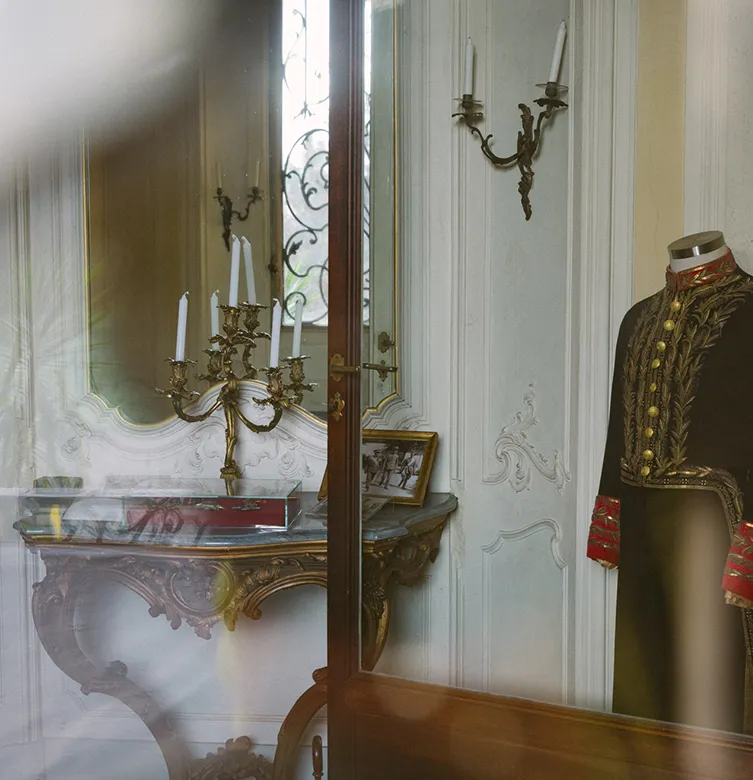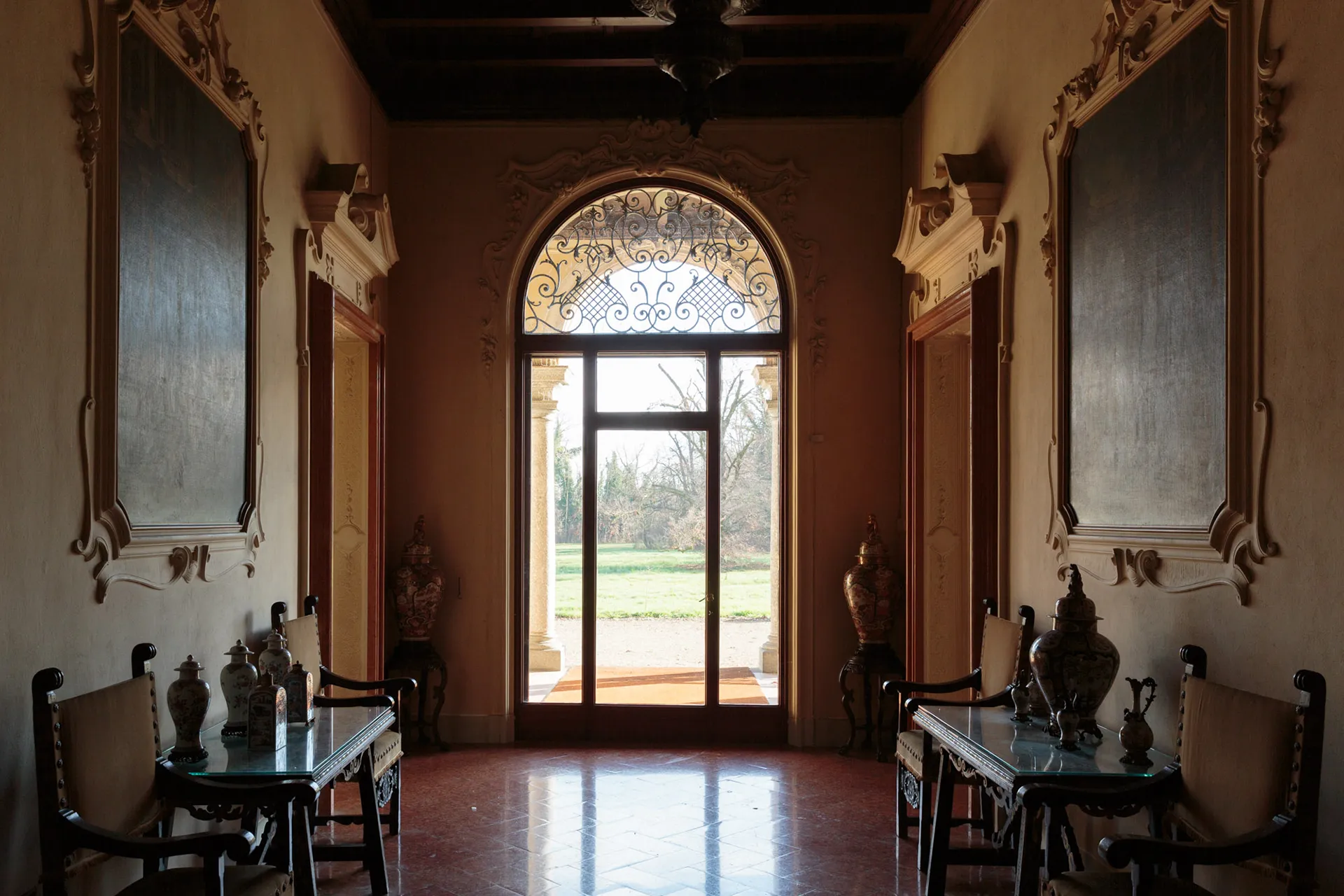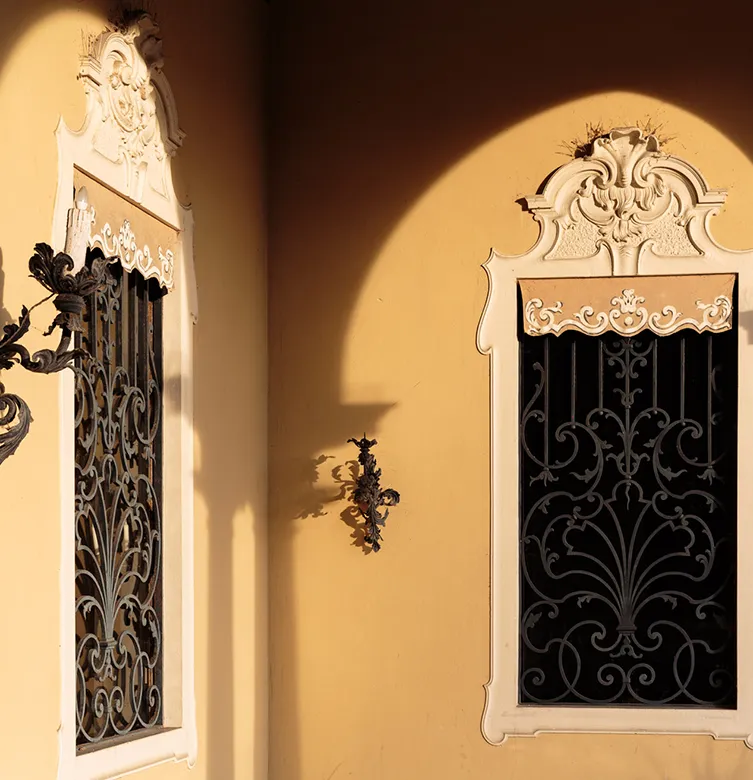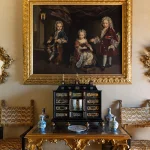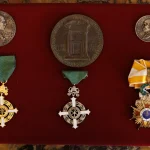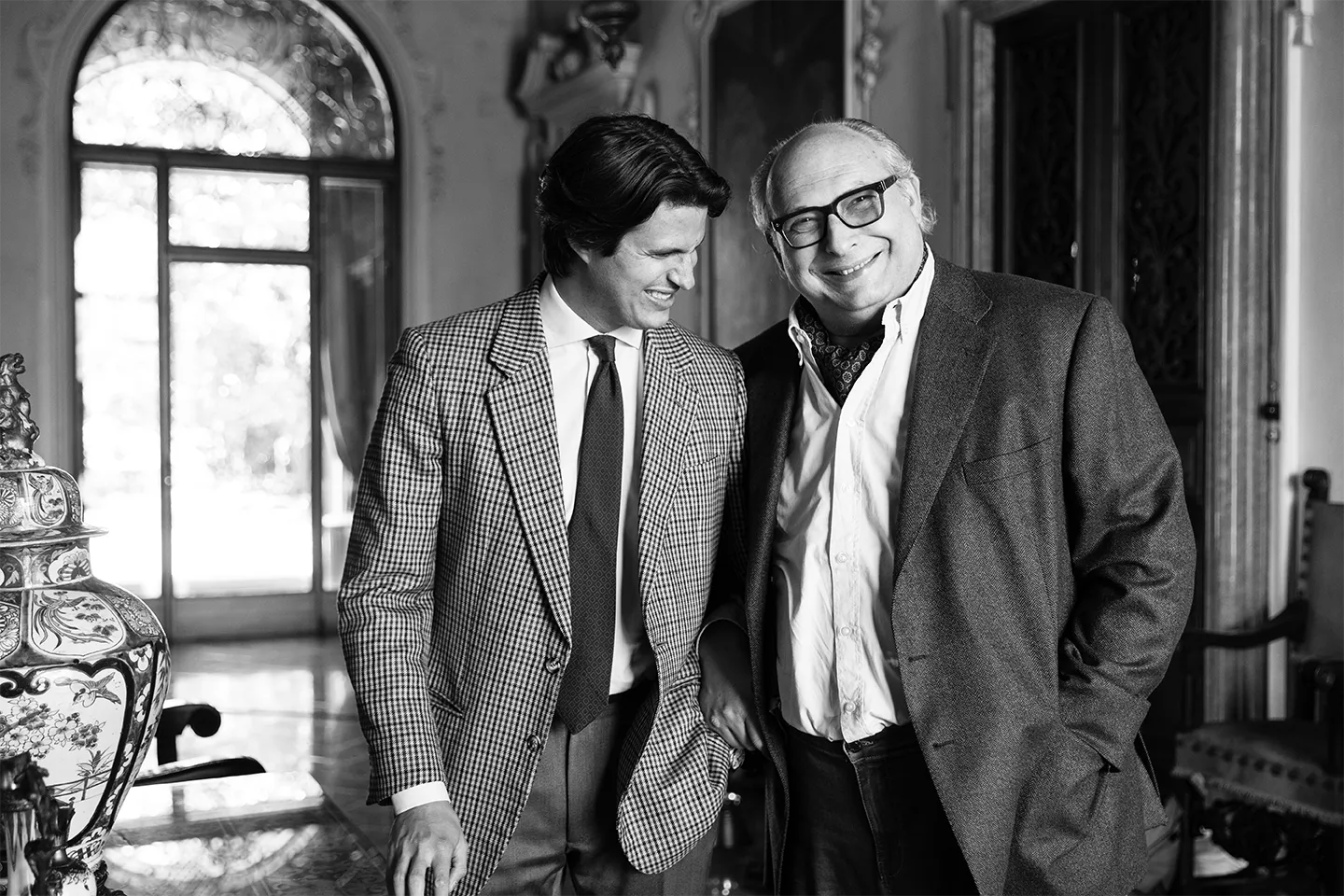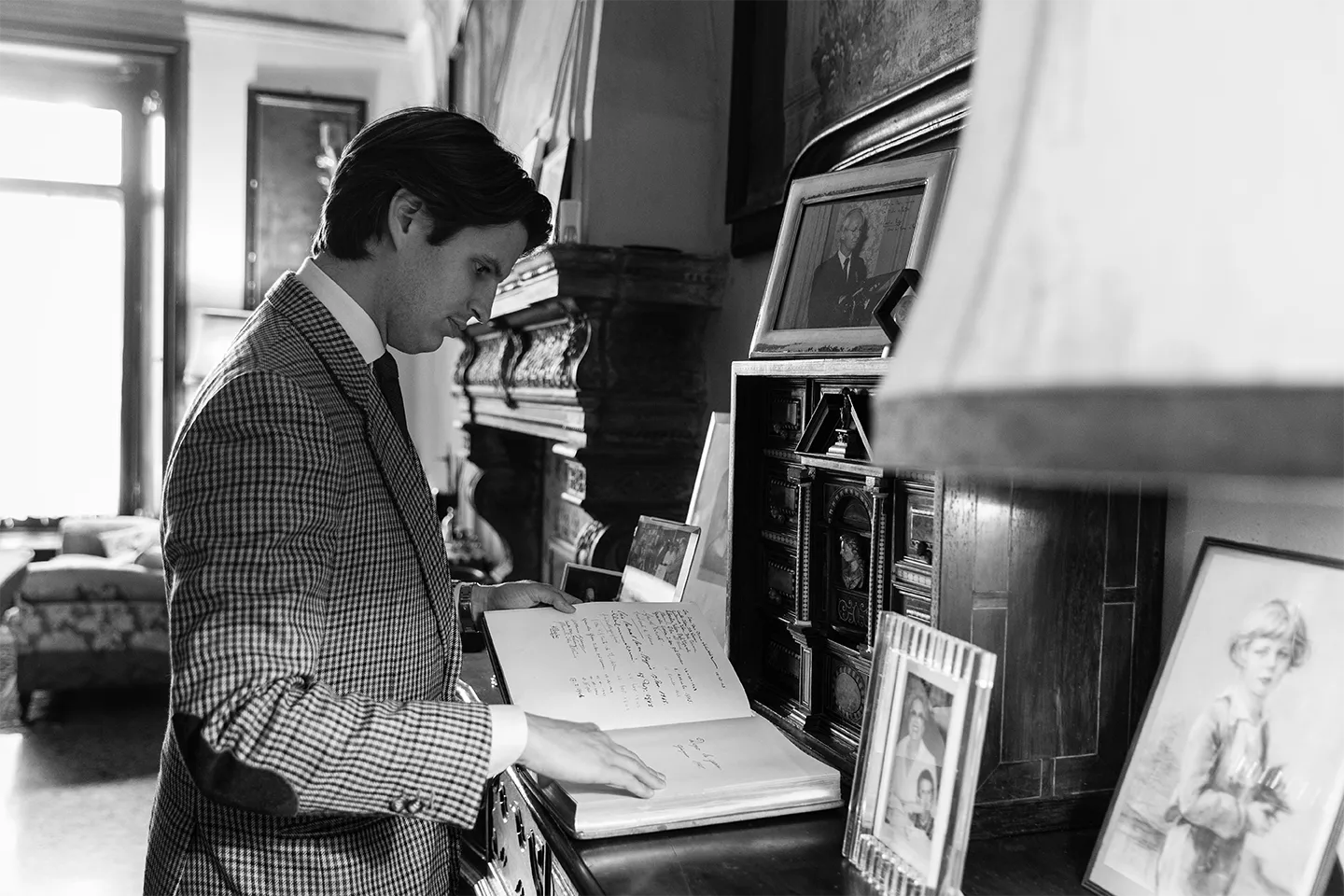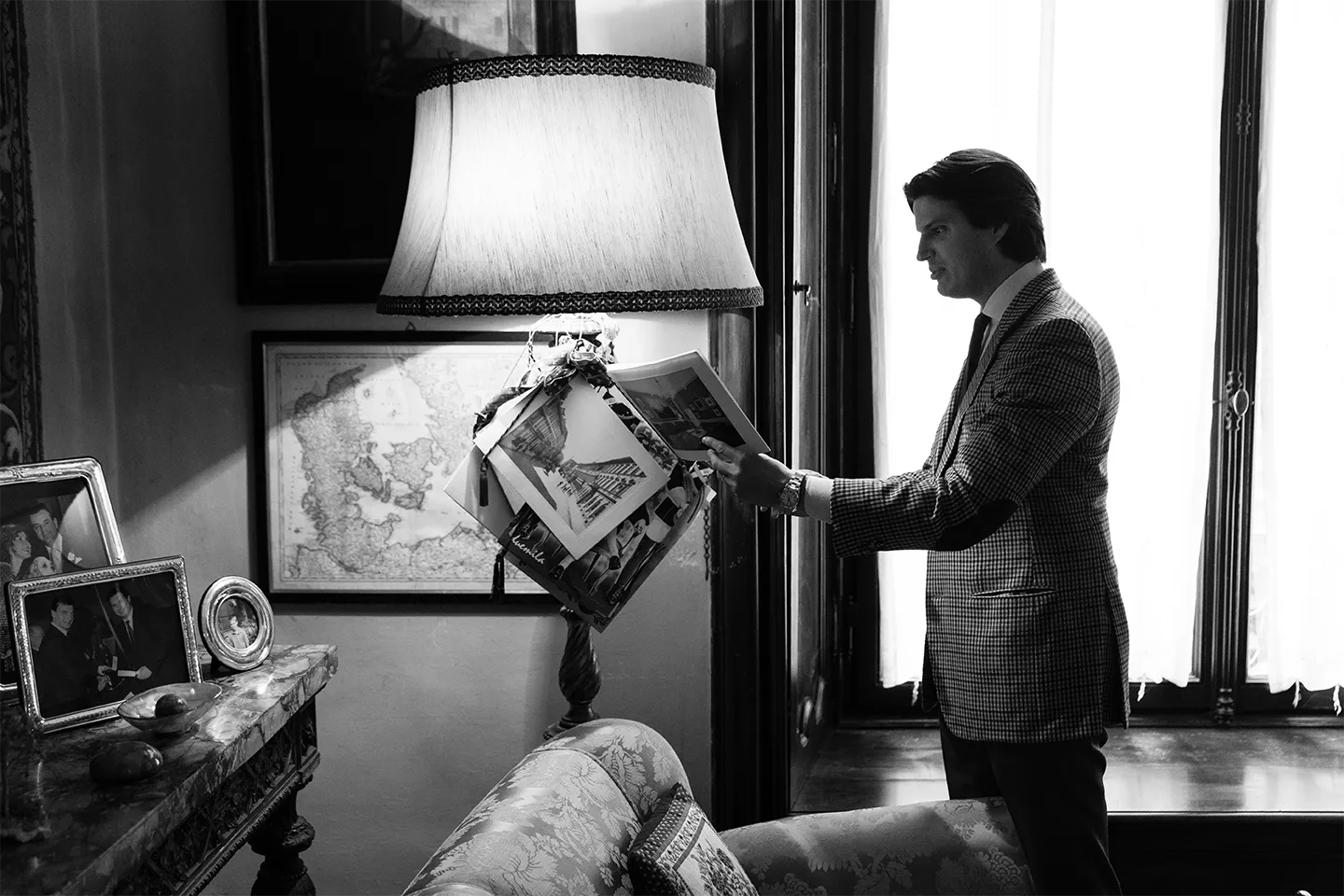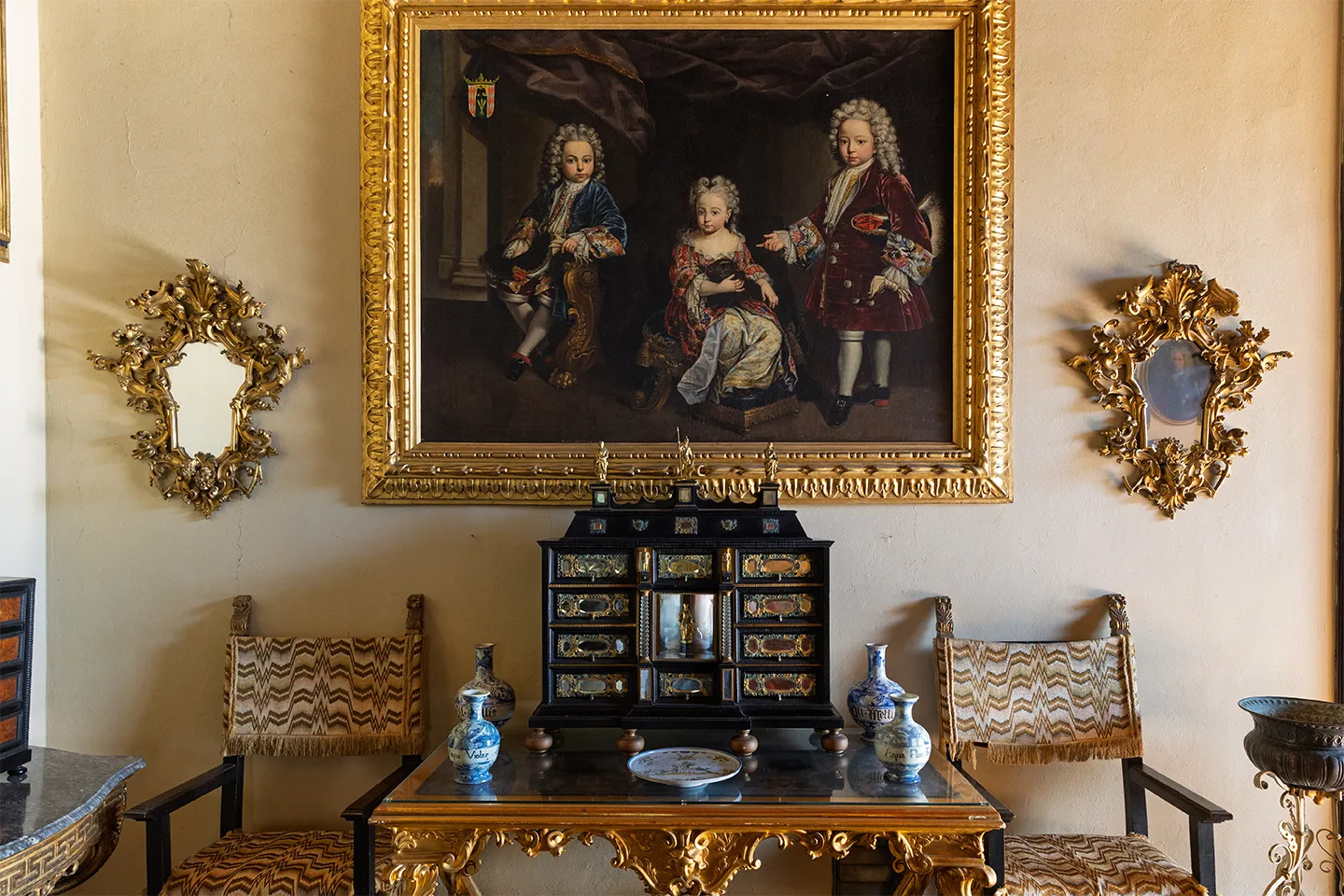
The Villa Meli Lupi of Soragna recounts eight centuries of history and Parmese nobility. Its origins date back to the powerful Lupi family of Soragna, already lords of these lands since the 12th century, later joined with the Meli branch, from which the name Meli Lupi was born.
Among its most illustrious members stand out Bonifacio and Raimondino Lupi, leading figures in the political and artistic life of the 14th century, friends of Petrarch and patrons of works such as the Chapel of St. Giacomo and the Oratory of St. Giorgio in Padua.
Today, the Villa Meli Lupi preserves and carries forward this extraordinary historical heritage, offering visitors a journey through time amid art, architecture, and the memory of one of the most prestigious families of Emilia-Romagna.
Discover the millennia-old history of the Meli Lupi family of Soragna, spanning nobility, art, and tradition.
The Meli Lupi and the Imperial Investiture
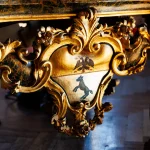
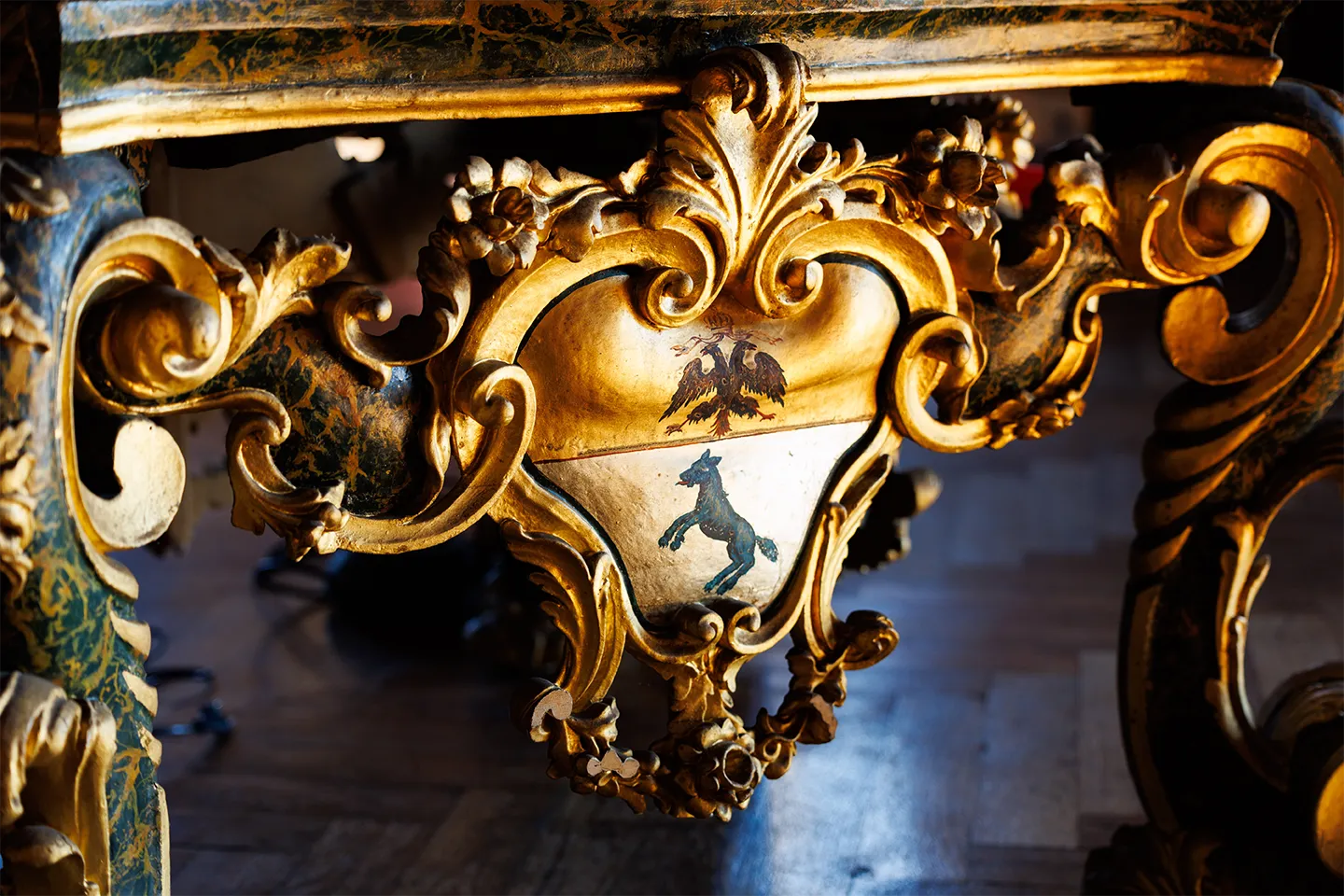
In 1530, Charles V confirmed to Giampaolo Meli, heir of Diofebo I Lupi, the feudal rights and noble title, authorizing him to bear the imperial eagle in the family coat of arms. From that time on, the Meli Lupi became a symbol of loyalty to the Empire and of political independence.
In 1709, thanks to the support of Prince Eugene of Savoy, Emperor Joseph I of Habsburg elevated Soragna to a Principality of the Holy Roman Empire, granting the title of Prince of the Holy Roman Empire and the style of Serene Highness. This investiture sanctioned Soragna’s autonomy and the sovereign rank of the family, placing it on a par with the most illustrious nobles of Europe.
In the following centuries, the Meli Lupi retained their imperial privileges, including the right to mint coinage: the gold scudo of Soragna, today a numismatic rarity, still bears witness to the ancient splendor of a family that knew how to unite nobility, politics, and culture in the heart of Emilia-Romagna.
The last feudal lord and the birth of the Meli Lupi–Tarasconi branch
With Guido IV Meli Lupi, born in 1741, the long feudal era of Soragna came to an end. Under his rule, the town experienced significant urban and administrative development, but with French domination and the abolition of feudal privileges, the principle of equality among citizens took hold. Guido IV thus became the last feudal lord of Soragna, marking the end of an era.
Soragna nevertheless maintained its historical prestige as an autonomous imperial fief, recognized for centuries by the emperors of the Holy Roman Empire. Curiously, the Congress of Vienna did not include Soragna among the suppressed principalities, bearing witness to its singular legal independence.
In 1857, Count Luigi Tarasconi appointed Marquis Luigi Lupo Meli Lupi as his universal heir, giving rise, by ducal decree in 1858, to the branch of the Meli Lupi of Soragna Tarasconi.
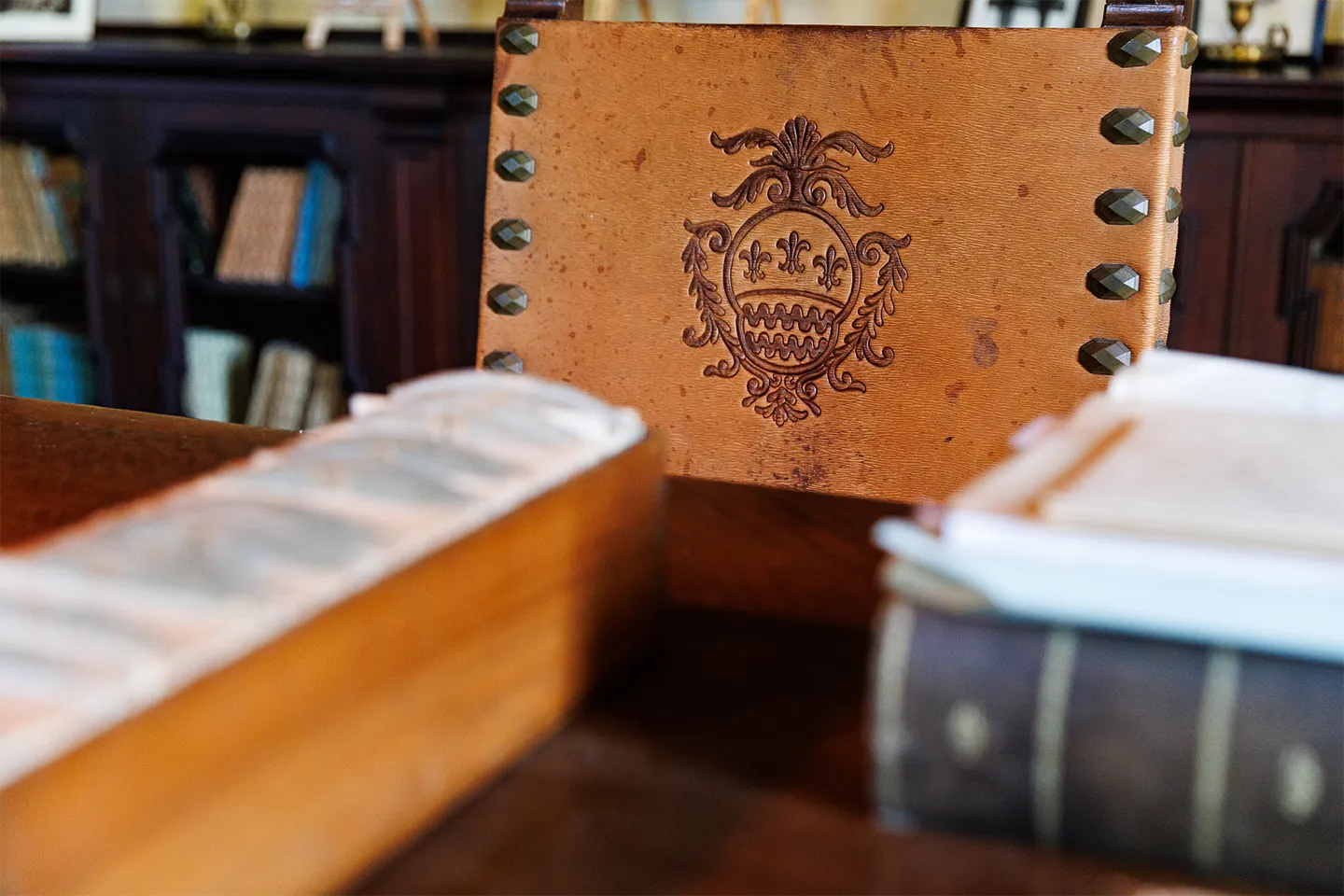
The union of the two families led to the merging of their noble coats of arms and to the inheritance of the splendid Villa of Vigatto, still considered today one of the most elegant aristocratic residences in the Province of Parma.